




Imagine a rural Montana resident getting a quote $400 higher than a city-based friend shipping the same car the same distance. This car shipping cost gap happens even when the carrier and destination are identical. If you are wondering how much does car shipping cost in remote areas, the answer usually involves a detour premium.
Mainstream carriers stick to major interstates to maintain efficiency. When a driver has to deviate 50 miles off a primary route into a rural zip code, they lose hours of drive time and consume significantly more fuel. This article explains why these rural locations drive up the average cost of shipping a car to another state and, more importantly, how you can bridge that price gap with a few strategic adjustments.
According to industry logistical data, rural pickups typically command a $100–$400 premium due to the "deadhead" miles—miles a carrier drives without a paid load, that required to reach remote locations.
Ready to see how your specific location impacts your rate? Get a free, transparent quote to compare regional pricing and find the most efficient shipping route for your vehicle today.
What Makes Rural Pickup Locations More Expensive for Car Shipping
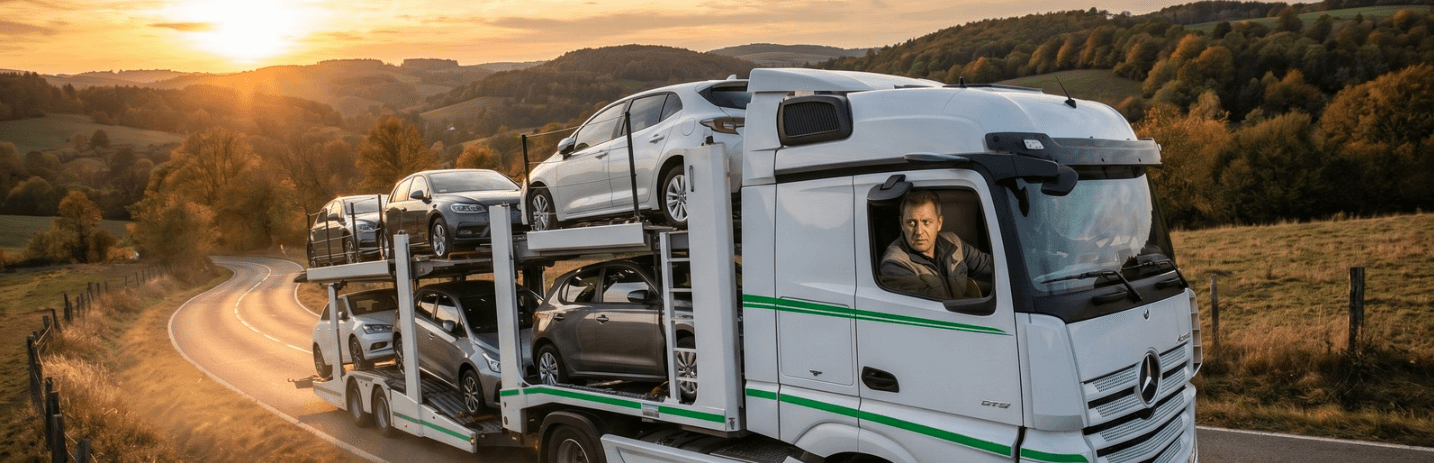
The actual cost to ship a car is dictated by carrier efficiency. Most auto transporters operate on fixed routes along major interstates like I-10 or I-95 to keep their trailers full and moving.
When you request a pickup in a remote area, you are asking a driver to deviate from these high-traffic corridors. This detour burns extra fuel and wastes hours of drive time for just one vehicle, which naturally increases the average cost of shipping a car to another state.
The economics are simple: carriers lose money when they aren't on the main highway. To cover the "deadhead" miles—driving empty or out of the way—they pass those operational expenses directly to you.
Several specific factors drive up the cost of shipping car cross country in rural zones:
-
Detour Mileage: Every mile a driver moves away from a primary transport hub adds to your total bill.
-
Low Availability: Fewer carriers frequent rural zip codes, meaning you often have to wait for a specific truck to be "in the neighborhood."
-
Reduced Competition: In cities, dozens of carriers bid on a single job. In rural areas, the lack of competition allows the few available drivers to set higher prices.
-
Infrastructure Hurdles: Massive 80-foot multi-car carriers often cannot navigate narrow, winding rural roads or low-hanging trees, sometimes requiring a smaller relay vehicle to move the car to a wider road.
-
Scheduling Delays: Since there is less carrier traffic, it takes longer to find a driver willing to make the trek, which can complicate your timeline.
Car carriers typically charge between $1.50 and $3.00 per mile for rural detours, whereas standard interstate routes often stay between $0.60 and $1.00 per mile.
Understanding these logistics is key to managing your expectations. If you are shipping a specialty vehicle, you might want to look into how classic car transport keeps collector vehicles safe even when navigating tricky regional pickups.
Before booking, it is always wise to verify a carrier's credentials. You can check their FMCSA Company Data to ensure they are authorized to operate in your specific region.
How Rural Pricing Compares Across Different Shipping Destinations
The premium you pay for a rural pickup isn't a flat fee. It fluctuates based on where your vehicle is headed and the total distance the carrier has to travel.
If you are shipping a car from a remote ranch in Wyoming, the logistical hurdle is significantly different than moving a vehicle from a farmhouse in upstate New York.
Continental US — Cross-Country and State-to-State Routes
On long-haul domestic routes, the rural surcharge is often easier to swallow because it represents a smaller percentage of the total cost of shipping car cross country.
For instance, when calculating the cost to ship a car 2000 miles, a $300 detour fee is a minor fraction of a $1,500 bill. However, on a short state-to-state trip, that same fee can increase your total price by 40%.
|
Route Type |
Urban Pickup Avg. Cost |
Rural Pickup Avg. Cost |
Typical Premium |
|
Cross-country (~2,000 miles) |
$1,000–$1,400 |
$1,300–$1,800 |
$200–$400 |
|
State-to-state (~500 miles) |
$500–$800 |
$700–$1,100 |
$150–$300 |
|
Regional (~200 miles) |
$300–$500 |
$450–$700 |
$100–$200 |
Whether you are looking at the average cost of shipping a car to another state or a local move, carriers prioritize routes that keep their trailers full. Understanding how a car carrier truck handles multi-vehicle transport helps explain why they avoid leaving the main line for a single car.
The cost to ship a car to another state will always be lower if you can meet the driver near a major highway exit rather than making them navigate narrow country lanes.
Hawaii, Alaska, and International — Where Rural Adds to an Already Complex Cost
Shipping to non-contiguous states or overseas introduces port logistics, customs, and specialized scheduling that already drive up the base price.
When you factor in the cost of shipping car to hawaii or the cost of shipping a car to alaska, you are paying for a multi-stage journey involving both trucks and ships. A rural pickup adds another layer of complexity to an already expensive process.
|
Destination |
Base Shipping Cost (Urban) |
Rural Pickup Addition |
Notes |
|
Hawaii (from CA) |
$1,000–$1,500 |
$150–$350 |
Port of Long Beach or Oakland most common |
|
Hawaii (from other states) |
$1,200–$2,000 |
$200–$500 |
Depends on distance to nearest port |
|
Alaska |
$1,000–$2,500 |
$200–$600 |
Limited carriers, seasonal constraints |
|
International (overseas) |
$1,500–$5,000+ |
$200–$600 |
Varies by country, customs, and port access |
If you are curious about how much does it cost to ship car to hawaii, you must consider the "inland" leg of the trip. The car shipping to hawaii cost rises sharply if the vehicle starts hundreds of miles from the nearest port city.
The same applies to the shipping car to hawaii cost when moving in reverse; for example, the cost of shipping car from hawaii to california usually settles once the car hits the mainland port, but rural delivery from there adds up quickly.
Pro Tip: The cost of shipping a car to hawaii from california averages $1,000–$1,500 from port cities. A rural pickup in inland California can add $300+ before the car even touches the water.
For those moving even further, the how much does it cost to ship a car overseas or how much does it cost to ship a car internationally question depends heavily on port access. The shipping a car overseas cost and car shipping overseas cost are always most manageable when you reduce the ground transport distance.
Even a shipping car from usa to canada cost can vary wildly based on how far the pickup point is from the border. Always verify your carrier's legal standing via the FMCSA before committing to these high-stakes routes.
Five Ways To Reduce Car Shipping Cost From a Rural Location

You cannot change where your home is located, but you can certainly change the logistical math that dictates your car shipping cost. By making a few strategic adjustments during the quote stage, you can often trim $150 to $400 off your final bill.
Lowering the cost to ship a car from a remote area requires a bit of flexibility. If you are willing to meet the carrier halfway, the savings can be substantial.
-
Meet at a Hub City: Driving your vehicle 30 to 50 miles to a major city or a highway exit can eliminate the rural detour fee entirely.
-
Terminal-to-Terminal Service: Opting for terminal-to-terminal vs door-to-door car shipping provides a lower base rate by centralizing the pickup at a carrier depot.
-
Book Early: For complex routes like Hawaii or Alaska, booking weeks in advance avoids the scarcity premium associated with last-minute rural pickups.
-
Get Competing Quotes: Always gather 4 to 5 quotes; specialized brokers often have access to carriers who frequent your specific low-density region.
-
Choose Open Transport: Open carriers travel rural routes more often; enclosed trailers are rarer in these areas and charge a premium for the specialized service.
-
Avoid Peak Season: Demand spikes from May to September. Shipping during the off-season ensures more carriers are available to handle rural requests.
Understanding how much does car shipping cost in the off-season versus the summer can save you hundreds. If you are on a tight budget, look for the most affordable car shipping companies that specialize in regional route consolidation.
Before signing any contract, it is vital to check DOT and an MC number to verify that the carrier is fully licensed for interstate transport.
Terminal-to-terminal shipping typically runs 20% to 40% cheaper than door-to-door service, though this option is less common for international or port-bound shipments.
What Else Affects the Final Car Shipping Cost
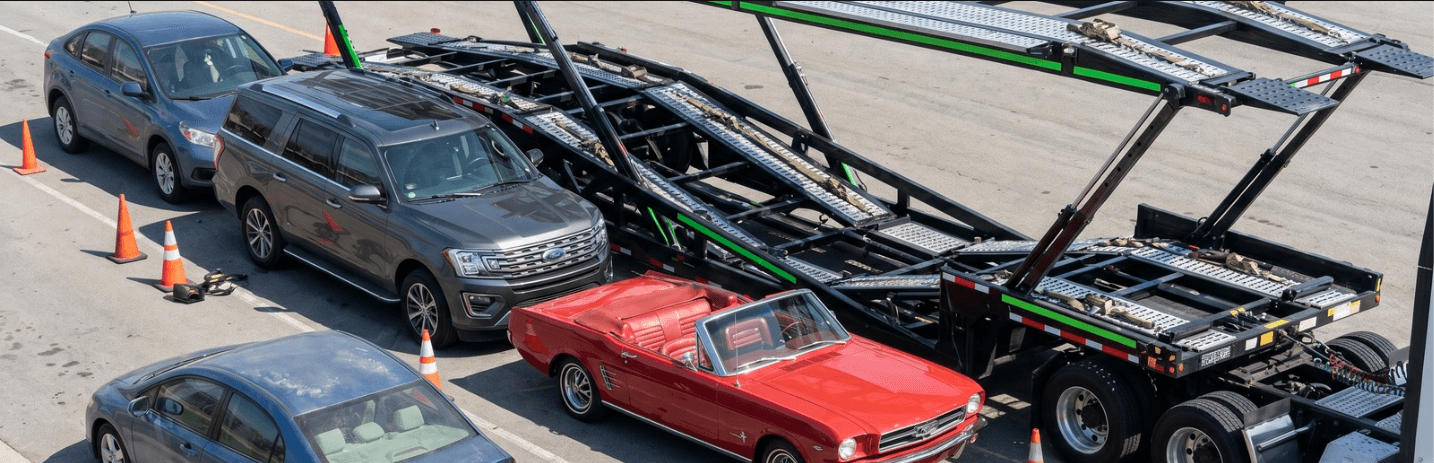
While your location is a major piece of the puzzle, several other variables dictate your final car shipping cost. Being aware of these ensures you aren't blindsided when comparing quotes from different providers.
The total cost to ship a car is a moving target influenced by the specific needs of your vehicle and the current state of the logistics market.
-
Vehicle Size and Weight: Larger vehicles like heavy-duty trucks and SUVs take up more space on a trailer and increase fuel consumption, making them more expensive to move than compact sedans.
-
Running vs. Non-Running: If your car is inoperable, the driver will need specialized equipment like a winch to load it, typically adding a $100–$200 premium. You can find more details in this guide to shipping a non-running vehicle.
-
Open vs. Enclosed Transport: Choosing between open vs enclosed car shipping is a classic trade-off; open is cheaper and more common, while enclosed protects high-value cars at a higher price point.
-
Distance and Route Complexity: A simple cost of shipping car cross country calculation depends on the total mileage and whether the route stays on major interstates.
-
Current Fuel Prices: Carriers adjust their rates almost weekly based on national diesel averages to maintain their margins.
-
Market Demand: Like any service, the how much does car shipping cost question is answered by supply and demand. If trailers are full, prices go up.
-
Insurance Coverage: Always verify the limit of liability included in your quote to ensure your asset is fully protected during transit.
|
Cost Factor |
Lower Cost Scenario |
Higher Cost Scenario |
|
Vehicle Type |
Compact sedan |
Full-size truck or SUV |
|
Transport Type |
Open carrier |
Enclosed carrier |
|
Vehicle Condition |
Running, drives normally |
Non-running (requires winch) |
|
Booking Timing |
2–3 weeks in advance |
3–5 days before pickup |
|
Season |
October–March (off-peak) |
May–September (peak) |
Navigating these factors is easier when you have a benchmark. Checking the best car shipping companies in Q1 2026 can give you a clear idea of who is offering the most competitive rates right now.
How To Get an Accurate Car Shipping Quote From a Rural Address
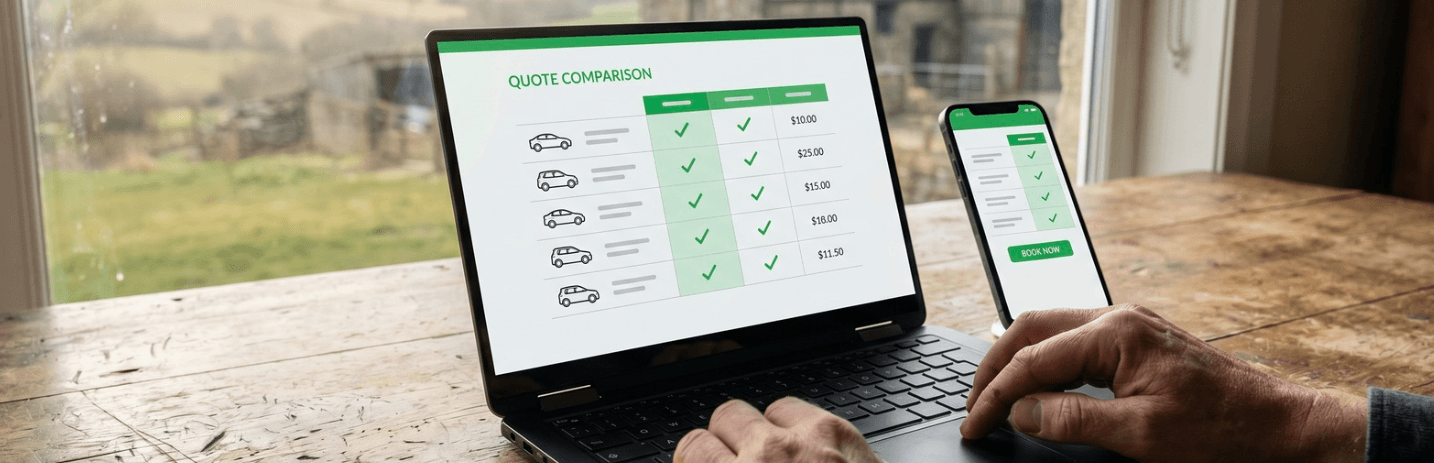
Most online calculators are programmed for high-traffic urban centers. When you input a remote zip code, these tools often spit out a lowball estimate that does not reflect the reality of the car shipping cost for your specific location.
It is important to understand that most quotes come from brokers who post your job to a national board. In rural areas, the average cost of shipping a car to another state often climbs after the initial quote because carriers demand more money to leave the main interstate.
To get a number you can actually trust, you need to be proactive and ask the right questions before putting down a deposit.
-
Use Your Actual Zip Code: Do not use the nearest big city just to get a lower number; it will only lead to price hikes later when the driver sees the real map.
-
Ask for a Confirmed Rate: Clarify if the cost to ship a car provided is a mere broker estimate or a price a carrier has already agreed to.
-
Identify Hidden Fees: Specifically ask, "Is there a rural or remote pickup surcharge already baked into this quote?"
-
Compare Multiple Sources: Gather 3 to 5 quotes from brokers and at least one direct carrier to see the true market spread for your route.
-
Check the Terminal Option: Ask for a side-by-side comparison of the door-to-door price versus dropping the car at a regional hub.
-
Verify the Full Route: Ensure the quote covers the entire journey to your driveway and not just to a "relay point" where you might get stuck with extra towing fees.
Getting the math right the first time prevents the frustration of "bait and switch" pricing. If you want to dive deeper into the technical side of pricing, check out this expert guide to master your car shipping quotes like a pro to stay ahead of the game.
Up to 30% of rural car shipping quotes are revised upward after listing because carriers refuse to accept the original "city rate" for low-density, out-of-the-way routes.
Before you finalize your booking, always perform a quick FMCSA search to ensure the company handling your vehicle has a clean safety record and active authority.
The Essential Logistics Insider
Navigating the world of auto transport can feel like a maze of shifting numbers and industry jargon. Below, we address the common logistical hurdles and pricing realities you need to know to move your vehicle without overpaying.
How Much Does It Cost To Ship A Car On Average?
Depending on the distance and vehicle size, the how much does car shipping cost question usually lands between $600 and $1,600. Shorter regional moves might stay under $500, while a cost of shipping car cross country can easily exceed $1,500 during peak summer months.
What Is The Typical Cost To Ship A Car To Hawaii?
The cost of shipping car to hawaii typically starts at $1,000 to $1,500 if you are moving it from a West Coast port like Long Beach. If you are shipping from the East Coast, the car shipping to hawaii cost increases significantly because you must pay for the inland ground transport to reach the California coast first.
How Much Does It Cost To Ship A Car 2000 Miles?
When calculating the cost to ship a car 2000 miles, expect to pay between $1,200 and $1,800. This long-haul route benefits from a lower per-mile rate than short trips, but the sheer distance ensures the total cost to ship a car remains high due to fuel and driver labor.
What Are The Costs Involved In Shipping A Car Overseas Or Internationally?
The how much does it cost to ship a car overseas depends heavily on your choice between Ro-Ro (Roll-on/Roll-off) and container shipping. Generally, the shipping a car overseas cost starts around $1,500 for a basic port-to-port move but can reach $5,000+ for a how much does it cost to ship a car internationally when customs, taxes, and door-to-door delivery are included.
How Much Does It Cost To Ship A Car To Another State Or Cross Country?
The average cost of shipping a car to another state is roughly $1.00 per mile for shorter trips and $0.60 per mile for longer ones. If you are looking at the cost to ship a car to another state like Texas or Florida, seasonal demand can swing the price by $200 in either direction.
What Is The Cost Of Shipping A Car From Hawaii Back To California?
The cost of shipping car from hawaii to california is generally more affordable than the outbound trip, often ranging from $900 to $1,300. This is because there is often more available space on ships returning to the mainland, lowering the overall shipping car to hawaii cost logistics for the return leg.
How Much Does It Cost To Ship A Car From The Usa To Canada?
The shipping car from usa to canada cost typically falls between $700 and $2,500. This includes ground transport and customs brokerage fees. The total price is influenced by how far the vehicle must travel past the border to its final destination.
What Was The Cost To Ship A Car From Iowa To Houston In 2025?
In 2025, the car shipping cost for this 950-mile route averaged between $850 and $1,100. Because this route involves high-traffic corridors like I-35, prices remained relatively stable compared to rural routes.
How Can I Achieve Low Cost Car Shipping?
To secure the best car shipping cost, you should book at least two weeks in advance and choose open transport. Meeting a driver at a major highway exit or a terminal is the most effective way to lower the cost to ship a car and avoid rural detour premiums.
What Is The Cost Of Shipping A Car To Alaska Or Specifically From Seattle To Anchorage?
The cost of shipping a car to alaska from the Port of Seattle typically ranges from $1,200 to $2,200. Because this route is highly seasonal and relies on specific barge schedules, prices vary based on the time of year and the size of your vehicle.
Does Fedex Provide Car Shipping, And What Is The Cost?
FedEx does not provide standard auto transport for personal vehicles; they focus on parcel and freight. For your car, you will need a specialized carrier. You can check the best auto transport services for Florida to New York moves to see how dedicated car shippers handle high-volume routes.
Bridging the Gap on Rural Car Shipping Costs
Managing your car shipping cost in remote areas effectively boils down to one simple adjustment: meeting your carrier in the nearest hub city can instantly shave $100–$600 off your total bill.
This strategy is even more critical when looking at the cost of shipping car to hawaii, Alaska, or overseas, where rural surcharges stack on top of already high base rates. To keep your average cost of shipping a car to another state manageable, always prioritize early booking and ask your broker about terminal drop-off options to avoid the "scarcity premium" often found in low-density zones.
Up to 30% of rural quotes are revised upward after booking because initial estimates often fail to account for the actual carrier cost of remote detours.
The price variation on rural routes is significantly wider than on standard urban corridors. To ensure you are getting a fair deal, enter your actual zip code for transparency and compare at least 4–5 different brokers before signing.
Ready to see how your specific location influences the cost to ship a car? Get a Quote today for a transparent, regional price breakdown tailored to your route.