



Imagine you just signed the papers for a vintage Mustang from a dealer in another state or accepted a dream job three time zones away. Now comes the logistical headache: getting your car there without adding thousands of miles to the odometer.
The core problem is that most online estimates are vague or outdated. Car shipping quotes fluctuate wildly based on your chosen route, the specific transport method, and seasonal demand. Finding the actual cost to ship a car to another state in 2026 requires looking at real-time market shifts rather than historical averages.
This guide breaks down current pricing for common distances and specific high-traffic routes. According to data from the FMCSA, regulatory compliance and fuel surcharges remain the primary drivers of shifting carrier rates this year.
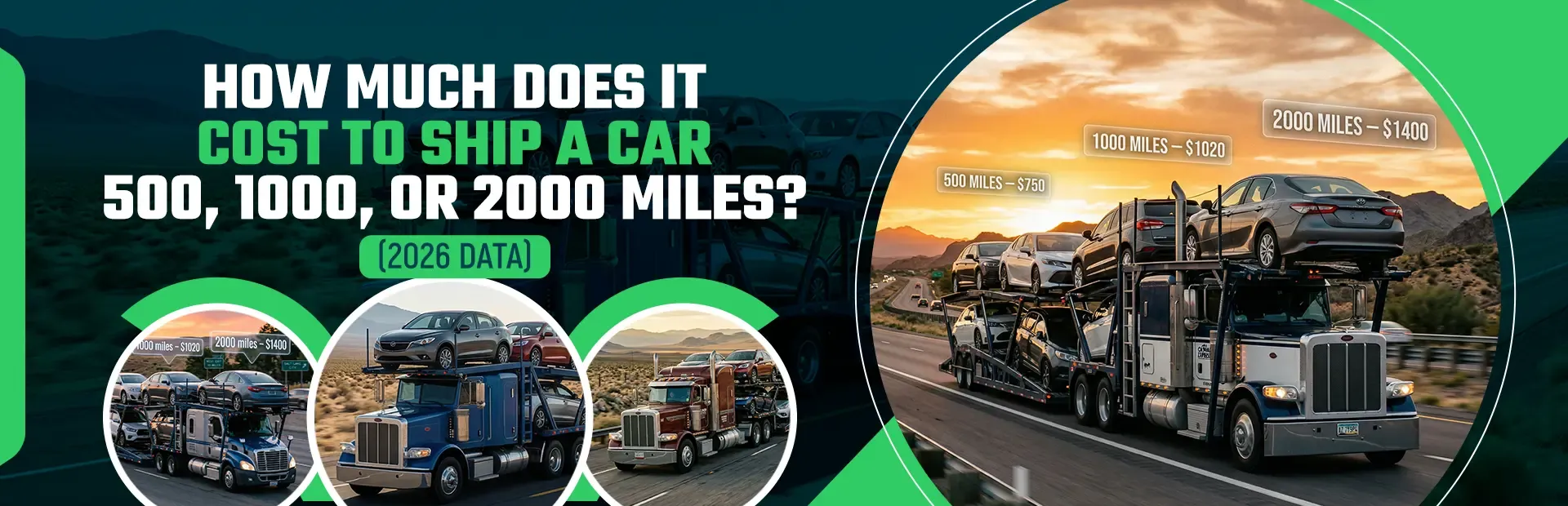
The national average to ship a vehicle currently ranges between $600 and $2,500, depending heavily on total mileage and whether you choose open or enclosed transport. During a fuel crisis, though, the low end of that range can jump to $1,500.
Planning a move? Get an accurate, real-time car transport quote for your specific route by visiting our priority auto shipping page to see how current market rates affect your total cost.
What Does It Actually Cost to Ship a Car? (2026 Price Ranges by Distance)
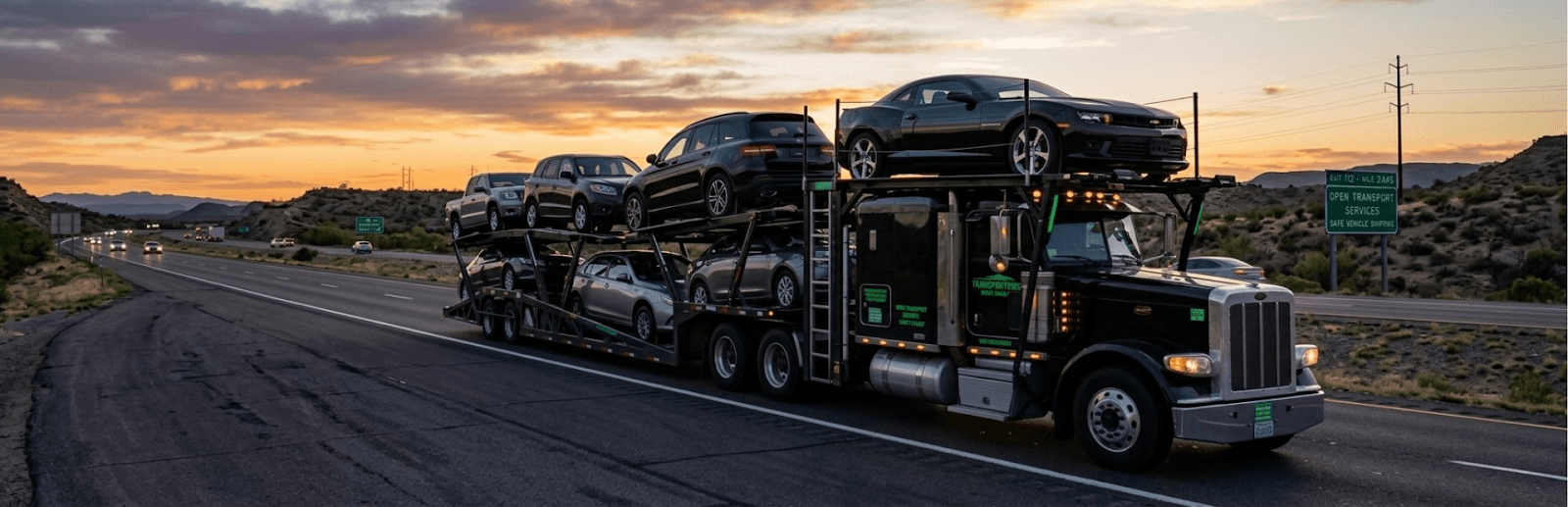
Distance is the single most influential factor in your final vehicle shipping quote. While carriers factor in fuel and labor, the total mileage dictates the base rate before any other variables come into play.
In 2026, the cost to ship a car 2000 miles or more usually offers a lower rate per mile, even though the total "sticker price" is higher than a short-haul trip.
|
Shipping Distance (Miles) |
Transport Type |
Overall Cost Range |
Per-Mile Cost Range |
|
500 Or More |
Open Transport |
$565 – $1,085 |
$1.06 – $2.03 |
|
500 Or More |
Enclosed Transport |
$750 – $1,450 |
$1.50 – $2.90 |
|
1,500 Or More |
Open Transport |
$955 – $1,797 |
$0.64 – $1.20 |
|
1,500 Or More |
Enclosed Transport |
$1,325 – $2,685 |
$0.88 – $1.79 |
|
2500 Or More |
Open Transport |
$1,145 – $2,211 |
$0.47 – $0.90 |
|
2500 Or More |
Enclosed Transport |
$1,875 – $3,125 |
$0.75 – $1.25 |
The logic is simple: long-distance hauls are more efficient for the carrier. Once a trailer is loaded and on the interstate, the "cost per mile" drops because the heavy lifting of loading and unloading is spread across more distance.
For standard vehicles, you can expect these baseline rates:
- Open transport: $0.47 – $2.03 per mile.
- Enclosed transport: $1.25 – $2.90 per mile.
For example, the cost to ship a car from Florida to California (roughly 2,700 miles via I-40 W) typically ranges from $1,150 to $1,900 via open transport, depending on current diesel prices and carrier availability.
Cross-country treks often follow specific high-volume corridors. For instance, the cost to ship a car from California to New York can fluctuate based on whether you are moving toward or away from a major metro hub.
Similarly, the cost to ship a car from New Jersey to California remains a popular request, often seeing price spikes during "snowbird" season when demand for south-to-west routes increases.
Keep in mind that these figures are expert estimates. Your actual car shipping quote hinges on your flexibility with dates, the size of your vehicle, and seasonal demand. Want the full list of what moves that number? Our guide on 5 factors that determine your car shipping quote and how to influence them walks through each one, and our piece on how a car shipping cost calculator actually works breaks down every input behind the number. To understand the process end to end, check out our guide on how car shipping works.
Verified carrier data from the FMCSA Company Data portal shows that insurance requirements for these long-haul routes also impact the final bottom line you see on a quote.
Open vs. Enclosed Transport — Which One Do You Actually Need?
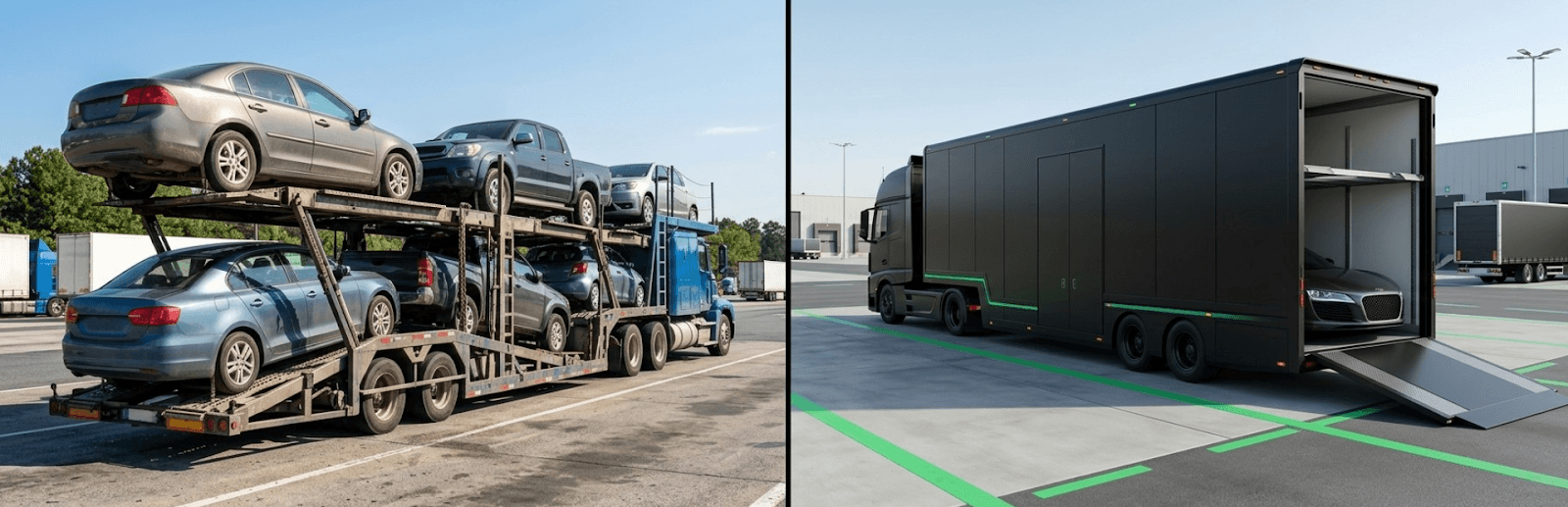
Most drivers default to open transport to save a few bucks without realizing how enclosed shipping works, while others overpay for white-glove service when their daily driver doesn't strictly require it.
Choosing between the two depends on your vehicle's value and your tolerance for the elements. To help you decide, I've consolidated 2026 pricing data from top-tier providers below.
|
Provider |
Open (535 Mi) |
Open (1,500 Mi) |
Open (2,445 Mi) |
Enclosed (1,500 Mi) |
|
Mercury Auto Transport |
$565 |
$955 |
$1,145 |
$1,325 |
|
Ship a Car Direct |
$600 |
$975 |
$1,275 |
$1,425 |
|
RoadRunner Auto Transport |
$735 |
$995 |
$1,195 |
$1,542 |
|
SGT Auto Transport |
$691 |
$1,080 |
$1,364 |
$1,559 |
|
AmeriFreight |
$777 |
$1,019 |
$1,199 |
$1,732 |
When you compare auto shipping quotes side by side, you'll notice that enclosed shipping typically commands a 30% to 50% premium over open transport. This investment is generally only worth it for specific scenarios:
- Antique and Classic Cars: If you are worried about the cost to ship a car to Europe or across the US, protecting a vintage investment from road salt and debris is paramount.
- Exotic or Luxury Vehicles: High-end paint jobs deserve a hard-sided container to prevent rock chips.
- Low Clearance Mods: Modified cars with low splitters often require the specialized hydraulic ramps found on enclosed trailers.
For the vast majority of everyday vehicles, standard sedans, SUVs, and pickup trucks, open transport is the industry standard and completely sufficient.
Your car sits on a multi-car trailer, similar to how it was likely delivered to the dealership when it was new. It's the most cost-effective way to manage the cost to ship a car from California to New York without breaking the bank.
Roughly 90% of domestic vehicle shipments in the United States use open-air carriers, according to industry estimates, due to their availability and efficiency.
If you are moving a standard vehicle, you can breathe easy knowing it's in good company on an open rack. For more details on the hardware involved, check out our open vs enclosed car shipping breakdown.
Whether you're looking at the cost to ship a car from Florida to California or a shorter regional hop, choosing the right trailer type is the first step in mastering your budget.
Shipping a Car to Hawaii, Alaska, Puerto Rico, and Overseas — What It Really Costs
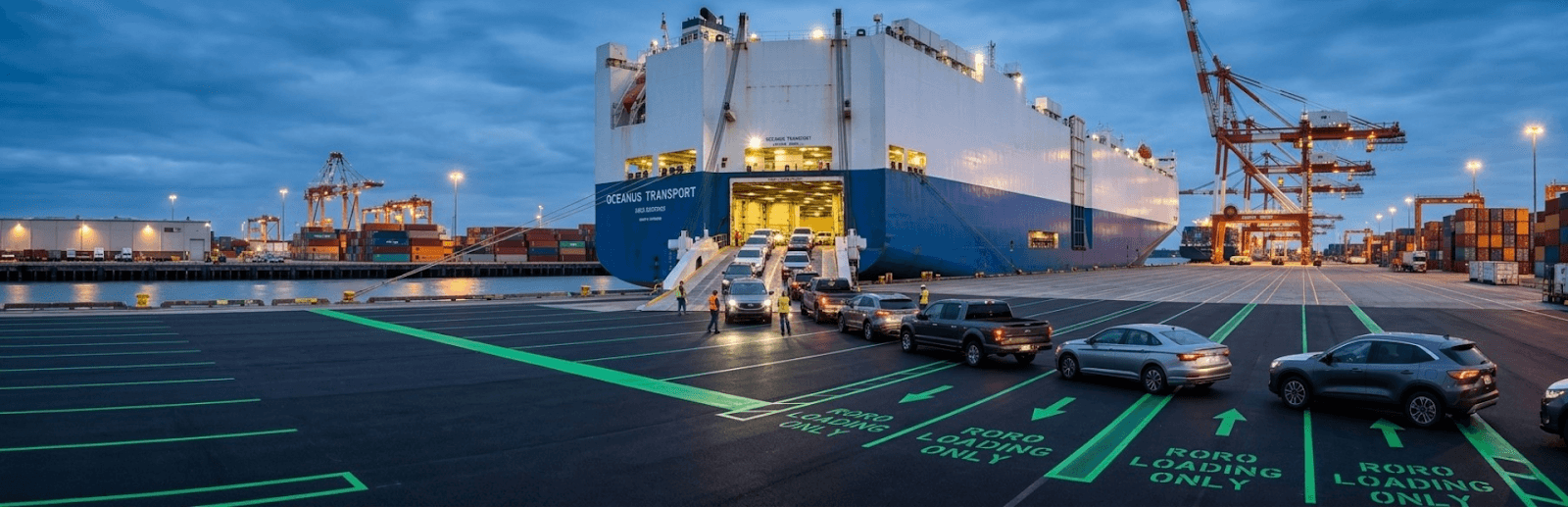
Shipping your vehicle across the ocean involves a massive shift in logistics compared to a standard interstate haul. Vehicle shipping quotes for ocean routes work differently than a land haul bid, since you're paying for vessel space and port handling instead of miles.
Whether you are looking at the cost to ship a car to Hawaii or moving a luxury sedan to a Mediterranean port, the process requires a specialized carrier network.
Hawaii And Puerto Rico (Domestic But By Sea)
These routes are technically domestic, but because they require ocean freight, the "per mile" logic of land transport goes out the window. You are paying for space on a massive vessel, port handling, and specialized terminal coordination.
|
Route |
Ro-Ro (avg) |
Container (avg) |
Transit Time |
|
West Coast → Hawaii |
$1,500 – $2,100 |
$3,200 – $4,500 |
7–14 Days |
|
East Coast → Hawaii |
$2,600 – $3,800 |
$5,000 – $7,200 |
21–28 Days |
|
Florida → Puerto Rico |
$1,700 – $2,400 |
$3,500 – $4,800 |
5–9 Days |
Most people choose shipping a car to Hawaii cost-saving measures like Ro-Ro (Roll-on/Roll-off). This is exactly what it sounds like: your car is driven onto the ship and secured in a massive underground parking deck.
If you want maximum protection, a private container is the way to go, though it significantly increases the average cost to ship a car to Hawaii. When calculating how much cost to ship a car to Puerto Rico, remember that terminal-to-terminal service is almost always the standard.
The cost of shipping a car to Hawaii from California averages $1,500–$2,100 via Ro-Ro in 2026. From the East Coast, expect $2,600–$3,800 due to the added land transport leg.
Don't forget the return trip logic. Often, the cost to ship a car from Hawaii to California can vary based on vessel availability and seasonal demand at the Honolulu port. To avoid surprises, always verify your carrier's credentials via the FMCSA before booking.
Before you drop your car at the port, be aware of what isn't usually in the base quote:
- Port Storage Fees: If you don't pick up your car within the "free window" (usually 48-72 hours).
- Agriculture Inspections: Mandatory for Hawaii to ensure no invasive species are hitching a ride.
- Escort Fees: Some high-security ports require a TWIC-card holder to escort you to the terminal.
Alaska And International Destinations (Europe And Beyond)
Shipping to Alaska is operationally similar to how much does it cost to ship a car internationally. It usually involves a truck haul to Seattle, a barge to Anchorage, and potentially another truck to the final destination.
|
Route |
Avg Cost Range |
Method |
Transit Time |
|
Contiguous US → Alaska |
$2,200 – $4,100 |
Multi-modal |
10–20 Days |
|
US → Europe |
$1,800 – $4,500 |
Ro-Ro/Container |
15–35 Days |
|
US → Other International |
$3,000 – $7,000+ |
Container |
Varies |
When people ask how much does it cost to ship a car overseas, they often forget the paperwork. International shipping is a maze of customs clearance, destination taxes, and marine insurance. If you are wondering how much does it cost to ship a car internationally, the ocean freight is often the cheapest part. The taxes at the destination port are the real killer.
Knowing how much would it cost to ship a car overseas also depends on your car's specs. Some countries require expensive modifications to lights or emissions systems to be street-legal.
2026 Data Point: The cost to ship a car to Europe from the US typically runs $1,800–$4,500, but a cost to ship a car to Alaska can actually be higher if you are moving to a remote "bush" community.
If you are looking for the absolute cost to ship a car overseas, you need to account for these variables:
- Customs Brokerage: Someone to handle the mountain of legal entries.
- Marine Insurance: Standard car insurance usually stops at the shoreline.
- Destination Port Handling: Charges for offloading and processing your vehicle.
For those curious about the cost to ship a car to another state versus a foreign port, the jump in complexity is huge. Make sure to read our beginner's guide to domestic vs international auto transport to get the full picture.
What Makes Car Shipping Prices Go Up Or Down

The quote you receive isn't just a random number. It's a calculation based on how much "real estate" your vehicle occupies on a trailer.
Larger vehicles like full-size pickup trucks and SUVs naturally cost more than a standard sedan because they take up more physical space and add significant weight to the carrier's load.
When you're looking at the cost to ship a car to another state, several specific factors can quickly drive your total higher:
- Inoperable Vehicle: If your car doesn't roll or steer, it requires a winch or forklift, typically adding $150–$300 to the bill.
- Oversized or Modified: Lift kits, roof racks, or dually wheels require specialized space and handling.
- Expedited Pickup: Requesting a specific 24-hour window instead of a standard range usually costs a premium.
- Remote Locations: Picking up or dropping off in a rural "dead zone" off the main highway corridor adds fuel and time costs for the driver.
- Peak Season: Relocation demand spikes in the summer and January, which naturally pushes market rates upward.
- Fuel Crisis: These heavy vehicles are powered by fuel like octane or petrol. If there's a shortage of fuel, the price of oil in the world market increases, and the auto shipping price changes with it.
On the flip side, you can actively lower your shipping expenses by leaning into carrier efficiency. Being flexible with your timeline is the easiest way to save.
- Flexible Windows: Giving the carrier a 7–14 day pickup window allows them to optimize their route, saving you money.
- Terminal-to-Terminal: Dropping your car at a central hub instead of requiring door-to-door service can shave off a hundred dollars or more.
- Standard Vehicles: Shipping a compact car or standard sedan is always the most budget-friendly move.
- Off-Peak Booking: Moving in the late fall or early winter (excluding holidays) often results in lower quotes.
- Popular Routes: Sticking to high-traffic corridors like NY to FL or CA to TX ensures high carrier availability and competitive pricing.
To give you a better idea of how these variables hit your wallet, here is a breakdown of the most common cost modifiers at a glance:
|
Variable |
Typical Impact on Price |
|
Inoperable vehicle |
+$150–$300 |
|
Enclosed vs. open |
+30–50% |
|
Expedited shipping |
+$200–$500 |
|
Terminal vs. door-to-door |
-$75–$150 |
|
Off-peak timing |
-5%–15% |
Understanding these shifts is key to mastering your budget. For more details on the logistics, check out our guide for shipping used car options to see how the condition affects your final rate.
Always ensure your broker is transparent about these fees by verifying their records through the FMCSA.
How to Get Accurate Car Shipping Quotes (And Why the Number Moves Later)
Every car shipping quote you get before booking is an estimate, not a locked price. Brokers build that number from your vehicle's size, the route, and the season, then confirm it once a carrier actually accepts the job.
That's why two auto transport quotes for the exact same route can land $200 apart. The broker with the lower bid might be guessing at carrier availability instead of pricing off real capacity. Our guide on 5 online car shipping quotes mistakes to avoid covers the specific traps that create that gap.
A few habits separate a solid car transport quote from a bait-and-switch number. Get car transport quotes in writing, not over the phone, from every broker you contact. Ask whether the number is binding or if your auto transport quote can change once a carrier is assigned. Never wire a deposit before that assignment happens. That's the setup behind almost every auto shipping quote scam we've seen reported.
Comparing several auto shipping quotes side by side, not just the cheapest one, is still the single best way to catch a bait price before you sign anything.
Brokers and carriers also price vehicle shipping quotes differently, and knowing which one quoted you changes what you should expect on delivery day. Our breakdown of how broker vs carrier pricing differs and why explains where the markup actually sits.
What to Watch Out for Before You Book

This is the most critical part of the process, and it's the honest conversation that most auto transport articles conveniently skip.
We have seen thousands of shipments go smoothly, but we have also seen customers fall into completely avoidable traps by overlooking the fine print.
The biggest mistake you can make is falling for the deposit trap. Some brokers will demand a non-refundable deposit before they have even assigned a carrier to your vehicle.
If that broker cannot find a carrier within your required timeline and you cancel, they might try to hold that deposit. Always know the refund policy before you authorize any payment.
When you're collecting car transport quotes, you need to actively look for these major red flags:
- Bait Pricing: If a quote is significantly lower than the market rate you have seen from other companies, it is likely a scam to get your business and hike the price later.
- No Legitimacy: Run away from any company that does not provide a physical address or a verifiable FMCSA registration number.
- Verbal Guarantees: Do not trust a verbal-only delivery window. If it is not in writing on the contract, it does not exist.
- No Documentation: Never work with a provider that cannot immediately produce insurance documentation or proof of a carrier bond.
Before you officially book your shipment, take five minutes to verify these four critical details:
- FMCSA Registration: You can check DOT and an MC number in under two minutes at safer.fmcsa.dot.gov to ensure the company is authorized to operate.
- Insurance Coverage: Your carrier's cargo insurance should be at least $100,000 for standard vehicles, covering total loss and major damage.
- All-Inclusive Quote: Verify that your final auto transport quote includes fuel surcharges, taxes, and port fees, or if they plan to add them later.
- Pickup Logistics: Make sure you are clear on whether you are getting a flexible window vs. a guaranteed pickup date. The vast majority offer a window.
- Industry Veteran Insight: Most car shipping disputes stem from unclear delivery windows and undisclosed fees, not actual vehicle damage during transit.
Documenting your vehicle's condition before handoff is not an optional step. This is your primary defense against a damage claim.
Take high-quality photos and videos from every angle, sign a written condition report with the driver, and ensure everything matches the Bill of Lading.
If you are dealing with a classic or modified vehicle, you should review our guide to shipping classic cars to ensure you have specialized protection in place before you hand over the keys.
Clear Answers to Your Most Urgent Car Shipping Quote Questions
We know you need straightforward numbers, not generic estimates. Here are direct answers to the common pricing queries we receive from drivers planning moves across the country and beyond.
How Do I Know If My Car Shipping Quote Is Accurate?
An accurate car shipping quote accounts for your exact vehicle size, the real mileage between your pickup and delivery zip codes, and current fuel prices, not a flat regional average. If one bid lands 20% below every other auto shipping quote you've collected, treat that as a signal to double check it, not a discount to celebrate.
What's the Difference Between a Car Transport Quote and the Final Invoice?
That quote is the broker's estimate before a carrier accepts your load. The final invoice reflects what the carrier actually charges once pickup is confirmed, and it can shift if your vehicle doesn't run, the pickup window changes, or you add extra stops. Ask upfront whether your number is binding so you know which figure to expect at delivery.
How Much Does It Cost to Ship a Car Overseas?
The baseline cost to ship a car overseas typically ranges from $1,800 to $5,000 for standard vehicles via RoRo service. When calculating how much does it cost to ship a car internationally, remember to factor in mandatory destination port taxes and customs brokerage fees, which can double your total expense.
How Much Cost to Ship a Car to Puerto Rico?
For standard vehicles departing from the US Southeast, the how much cost to ship a car to Puerto Rico question usually results in estimates between $1,700 and $2,700. This non-contiguous route requires specialized maritime carriers and adherence to Federal Maritime Commission regulations.
What Is the Cost to Ship a Car From California to New York?
The cost to ship a car from California to New York (approx. 2,900 miles) averages $1,200–$2,100 for open transport. Choosing enclosed service for this long-haul corridor will increase that baseline cost by roughly 40-50% to maximize vehicle protection.
What Is the Cost to Ship a Car From New Jersey to California?
Moving westbound, the cost to ship a car from New Jersey to California (approx. 2,800 miles) generally runs between $1,150 and $1,950 for open carriers. Rates on this high-volume route fluctuate based on seasonal demand and current diesel fuel prices.
How Much Does It Cost to Ship a Car Hawaii?
When asking how much does it cost to ship a car Hawaii, expect a price range of $2,100 to $3,900. This includes land transport to a West Coast port, ocean freight, and final terminal handling. Using our reliable terminal to terminal vs door to door car shipping option can lower this total.
What Is the Cost of Shipping a Car to Hawaii From California?
The specific cost to ship a car to Hawaii from California (port-to-port) via RoRo is usually $1,500 to $2,100. This is the most efficient leg of the journey. A full door-to-door shipping service from inland California will add ground transport costs.
How Much Cost to Ship a Car Hawaii to Texas?
The cost to ship a car from Hawaii to California, plus the land leg to Texas, typically averages $2,300 to $3,500. This multi-modal journey involves ocean freight to a major West Coast hub and coordinated interstate car transport to your final Texas destination.
What Is the Average Cost of Shipping a Car to Another State?
In 2026, the comprehensive average cost to ship a car to another state ranges from $600 for short regional hops to $2,300+ for cross-country moves. Your final vehicle shipping quote hinges on total mileage, transport type (open vs. enclosed), and vehicle size.
How Much Is the Cost to Ship a Car From Virginia to California?
A typical cost to ship a car from Virginia to California (approx. 2,700 miles) ranges from $1,100 to $1,900 for open transport. This long-distance route utilizes major East-West interstate corridors, making carrier availability high but fuel costs a primary driver.
Your Final Car Shipping Blueprint: 500, 1000, 2000 Miles and Beyond
Navigating how much does it cost to ship a car to another state in 2026 ultimately comes down to understanding that distance dictates the base rate, while your specific choices control the final price.
Whether you're looking for the most economical cost to ship a car 2000 miles across the country, or need the specialized expertise required for a cost to ship a car overseas, the logistics always demand careful planning.
As of 2026 cost summary, expect a base range of $600 for short-haul moves to $4,000+ for complex international routes, depending heavily on your chosen transport method.
To secure the best value, obtain 3–4 competing auto transport quotes, offer a flexible pickup window, and always verify a carrier's FMCSA Company Data credentials before booking. Also remember that ocean freight, whether for shipping a car to Hawaii cost estimates or international moves, introduces port logistics and fees that differ from standard domestic transport.
Make sure you are not overlooking critical FMCSA details or hidden fees by reviewing the fine print on every quote you receive.
Ready to transition from estimates to an active plan? Visit our reliable quotation page for the most recent and accurate price as per the market, and connect with verified carriers.