


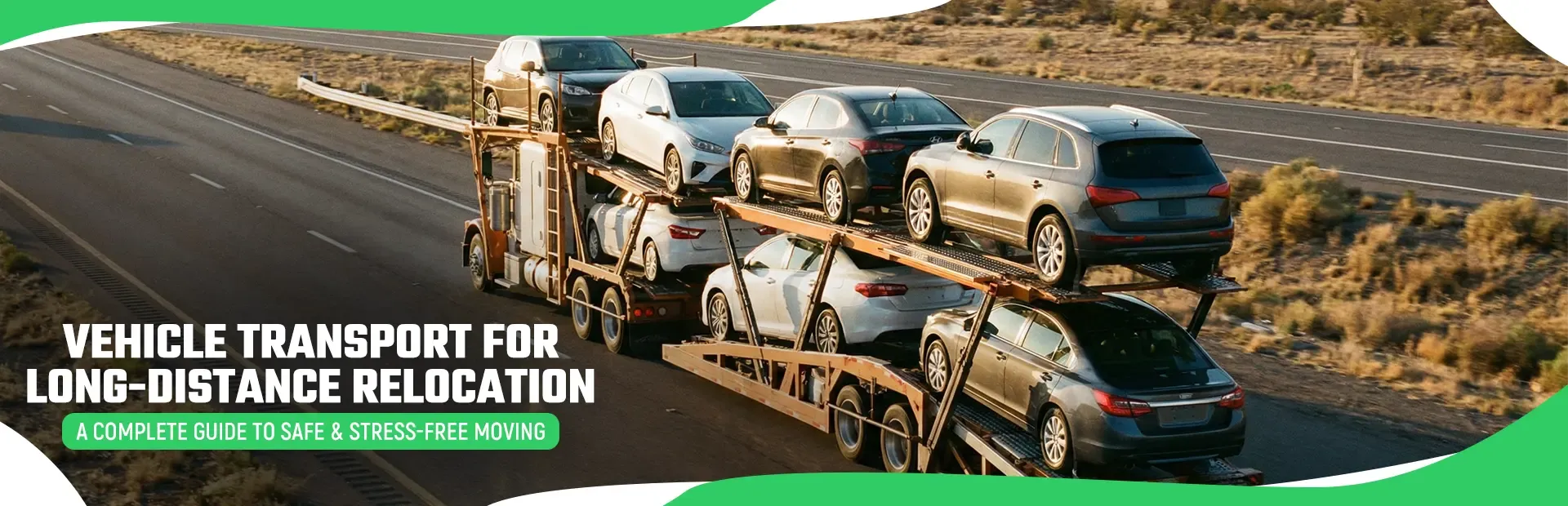
Vehicle Transport for Long-Distance Relocation

Vehicle Transport for Long-Distance Relocation

Transportvibe
June 30, 2025
4 min read

Vehicle Transport for Long-Distance Relocation

  Relocating across the country or to a distant state comes with one critical challenge — getting your vehicle to your new home safely and efficiently. Whether you're moving for work, family, or a fresh start, understanding how long-distance auto transport works can save you time, money, and stress. In this comprehensive guide, Transportvibe breaks down everything you need to know about vehicle shipping for long-distance moves — from pricing factors to pickup prep and carrier selection.


What Counts as Long-Distance Car Shipping?

Long-distance auto transport typically refers to vehicle shipments over 500 miles. This includes:

  • Interstate relocations
  • Cross-country moves
  • Seasonal vehicle transport (snowbird routes)
  • Military PCS transfers

If you're moving more than a few hundred miles, driving your car may not be ideal due to wear and tear, fuel costs, lodging, and time off work.  


Benefits of Long-Distance Vehicle Shipping

Many people assume driving is cheaper — but factoring in indirect costs reveals the advantages of professional transport:

  • Time savings: Skip long drives and focus on your relocation.
  • Safety: Reduces road risk, especially during winter or bad weather.
  • Preservation: Avoids mileage buildup and vehicle wear.
  • Convenience: Door-to-door pickup and delivery options.
  • Multi-car shipping: Ideal for households with 2+ vehicles.

Transportvibe recommends long-distance shipping for moves over 500–700 miles to protect your time, health, and vehicle value.


How Much Does Long-Distance Car Shipping Cost?

The cost depends on multiple variables:

  • Distance (per mile pricing drops after 500 mi)
  • Carrier type (open vs enclosed)
  • Vehicle size and weight
  • Delivery timeline (expedited vs standard)
  • Route demand (popular vs remote destinations)
Distance Open Carrier Enclosed Carrier
500–1,000 miles $600 – $1,000 $850 – $1,400
1,000–2,000 miles $900 – $1,500 $1,300 – $2,000
2,000+ miles $1,200 – $1,800 $1,700 – $2,800

Tip: Use Transportvibe's quote comparison tool to compare real-time pricing from top-rated carriers.


Best Types of Carriers for Long-Distance Moves

When shipping far, choosing the right carrier setup matters:

Open Carrier (Most Common)

  • Budget-friendly option
  • Fully legal and insured
  • Exposed to elements, but still very safe

Enclosed Carrier (Premium Option)

  • Offers protection from weather and debris
  • Recommended for luxury, exotic, or new cars
  • Costs 30–50% more than open shipping


Preparing Your Vehicle for Long-Distance Shipping

A few proactive steps can help ensure smooth transport:

  1. Clean your car inside and out
  2. Remove personal items and toll passes
  3. Document condition with photos
  4. Check for leaks and low battery
  5. Disable alarms or custom electronics
  6. Leave only 1/4 gas in the tank

These tips reduce delays and disputes, ensuring your vehicle is ready to go.


Cross-Country Relocation Tips for Car Owners

  • Book early during busy seasons like summer or snowbird months
  • Be flexible with pickup/delivery windows to get better pricing
  • Bundle multiple vehicles to receive discounts
  • Choose door-to-door delivery for convenience
  • Track your vehicle if GPS-enabled tracking is offered


What If You’re Shipping an RV, EV, or Motorcycle?

For long hauls, some vehicle types need specialized handling:

  • Motorcycles: Use crated or enclosed motorcycle carriers
  • RVs: Require tow-away or flatbed service depending on size
  • EVs: Must consider battery care and temperature sensitivity during long trips

Check out Transportvibe’s dedicated shipping guides for each vehicle type.


How to Choose a Long-Distance Car Transport Company

Before signing a contract, verify the company:

  • Is FMCSA registered
  • Has active DOT and MC numbers
  • Offers clear contracts and insurance coverage
  • Has positive reviews on Transportvibe

Avoid companies that:

  • Demand large upfront deposits
  • Refuse to provide documentation
  • Pressure you into quick decisions


Smart Answers to Real Vehicle Shipping Questions


Is long-distance car transport safe?

Yes, most shipments go smoothly. Damage claims occur in less than 5% of transports nationwide.

Should I use terminal-to-terminal shipping for long moves?

If you're near a terminal, it can save you $100–$200. Otherwise, door-to-door is worth the convenience.

How long does long-distance car transport take?

For 1,000–2,000 miles, average delivery time is 5–9 days. Expedited shipping can shorten that to 2–4 days.

Can I ship household items in my car?

Most carriers allow up to 100 lbs of personal items in the trunk, but it's best to check with the provider.

What documents do I need for transport?

Just your driver’s license, vehicle registration, and the Bill of Lading provided by the carrier.


Summary: Moving Long-Distance? Let the Pros Handle Your Car

Long-distance relocation doesn’t mean you have to drive your vehicle for hours or days. Professional auto transport offers a stress-free, cost-effective way to move your car alongside the rest of your life. Transportvibe makes it easy to compare prices, carriers, and customer reviews — so you can book with confidence. Click here to compare quotes and get started on your long-distance vehicle shipping today.

Related articles

JUL 04, 2025
Should You Ship Your Car to a Car Show or Drive It?

Should You Ship Your Car to a Car Show or Drive It?

TRANSPORTVIBE

Should You Ship Your Car to a Car Show or Drive It? Preparing for a prestigious car show or classic vehicle exhibition can be exhilarating — but when it comes to how you get your prized vehicle to the event, one important question arises: Should you ship your car or drive it? Whether you own a classic Mustang, a restored Porsche, or a vintage Cadillac, the decision between driving or shipping your vehicle to a car show involves balancing time, cost, risk, and convenience. At Transportvibe, we help auto enthusiasts across the U.S. make the smart choice based on vehicle value, distance, and overall logistics. What Factors Should Influence Your Decision? Before you hit the highway or book a carrier, consider these key elements: Distance to the event Value and condition of the car Event schedule and timing Weather along the route Personal availability or preferences Shipping your show car can provide peace of mind, especially for owners concerned about mileage, mechanical wear, or exposure to road debris. Pros and Cons of Driving Your Car to a Car Show ✅ Pros: You stay in control of the vehicle. No need to coordinate schedules or wait for carriers. Lower upfront cost , especially for short distances. ❌ Cons: Adds wear and tear to valuable vehicles. Increases risk of breakdowns or accidents . Longer trips require fuel, lodging, and time off work . May diminish resale value for classic/exotic models. Pros and Cons of Shipping Your Car to a Show ✅ Pros: Preserves vehicle condition — no added mileage. Enclosed transport protects against weather, theft, and debris. You can fly to the destination , saving time. Easier for multi-car entries or large families. ❌ Cons: Higher cost , especially for enclosed or expedited options. Requires planning and communication with transport providers. How Much Does It Cost to Ship a Car to a Car Show? Several factors affect the total transport cost: Distance (short hauls under 300 miles vs long hauls 1,000+) Carrier type (open vs enclosed) Pickup timeline (standard vs expedited) Location accessibility (rural vs urban drop-off) Distance Open Transport Enclosed Transport 0–500 mi $300–$600 $600–$900 500–1000 mi $600–$950 $900–$1,500 1000+ mi $1,000–$1,500 $1,400–$2,000+ Use Transportvibe’s quote comparison tool to explore carrier options based on your exact zip codes. What Is Enclosed Auto Transport and Why Is It Ideal? Enclosed carriers offer: Full protection from weather and road elements Soft straps and lift gates to avoid undercarriage damage Climate-controlled trailers for sensitive finishes This method is perfect for show-ready cars, collector editions, and freshly restored builds. How to Prepare Your Car for Shipping to a Show Clean the exterior and interior thoroughly. Take photos of every angle before handing it off. Check tire pressure and fluid levels . Empty the fuel tank to 1/4 full . Remove accessories or custom spoilers that could be damaged. Provide instructions if your vehicle has special handling quirks. Pro tip: Inform your carrier that the vehicle is bound for an event. They may prioritize timing and protection accordingly. Common Situations Where Shipping Makes More Sense You’re traveling to a multi-day event across states The car is low-mileage or highly collectible You’re transporting more than one vehicle You’re entering the auction circuit or concours-level exhibition Weather or road conditions are unfavorable Real-World Considerations from Car Show Participants "I drove my 1965 Shelby GT350 to a meet once and had a rock chip the hood — never again. I now use enclosed shipping exclusively." — Daniel, Michigan "Shipping my show car from Florida to Pebble Beach made logistics easy. I flew out early, enjoyed the area, and had my car waiting at the venue." — Monica, California Transportvibe helps owners like Daniel and Monica connect with top-rated enclosed carriers across the U.S. Is shipping safer than driving to a show? Yes. Enclosed shipping eliminates risks from road debris, weather, and accidents — crucial for preserving rare or valuable builds. Does car shipping include insurance? All licensed carriers are required to carry liability and cargo insurance. Ask for proof and coverage details before booking. Can I ship my car last minute before a car show? Expedited transport is available, but comes at a premium. Ideally, book 7–14 days in advance . Is open transport an option for car shows? It is — but only recommended for non-showroom vehicles or owners who prioritize cost over condition. Do I need to be present at pickup and delivery? You or a trusted representative should inspect and sign the Bill of Lading at both ends of the trip. Making the Final Call: Ship or Drive? If you're weighing shipping vs driving to your next show, ask yourself: Is the car collectible, fragile, or irreplaceable? How far is the event, and how much time do I have? Do I want to enjoy the journey — or simply show the vehicle? For many car owners, shipping brings peace of mind, especially when using a reliable service backed by reviews, insurance, and professional handling. Transportvibe makes it simple to compare carriers, pricing, and customer experiences. We believe every show car deserves to arrive in perfect condition — ready to shine on the show floor. Click here to get instant quotes from trusted auto transport experts.

JUN 29, 2025
Shipping Costs for SUVs, Sedans, EVs & RVs

Shipping Costs for SUVs, Sedans, EVs & RVs

TRANSPORTVIBE

Shipping Costs for Popular Vehicle Types (SUV, Sedan, EV, RV) Whether you're relocating across the country or buying a car from out of state, understanding how vehicle type impacts shipping costs is essential. In this detailed guide, Transportvibe breaks down the average costs for shipping SUVs, sedans, electric vehicles (EVs), and RVs — so you can budget smartly and avoid surprises. We’ll also look at carrier types, seasonal demand, and how factors like vehicle size, weight, and transport method influence your final quote. How Vehicle Type Affects Car Shipping Prices Auto transport companies base quotes primarily on: Vehicle size and weight Transport method (open or enclosed) Shipping distance and route Seasonal fluctuations Here’s why the type of vehicle you’re shipping matters: Larger vehicles like SUVs or RVs take up more space on a carrier. Heavier vehicles may require special permits or loading procedures. EVs have battery-specific considerations like weight and temperature sensitivity. Average Shipping Cost for Sedans Sedans are generally the easiest and most affordable vehicles to ship due to their compact size and light weight. Distance Open Carrier Enclosed Carrier Local (≤500 mi) $450 – $700 $650 – $950 Cross-Country $900 – $1,300 $1,300 – $1,700 SUV Shipping Costs in the U.S. SUVs are bulkier than sedans and may require higher ramps or even a dedicated spot on the trailer. Distance Open Carrier Enclosed Carrier Local (≤500 mi) $600 – $900 $850 – $1,200 Cross-Country $1,100 – $1,500 $1,500 – $2,000 SUVs can sometimes be double-stacked on open carriers, but larger models may need the bottom level. How Much Does It Cost to Ship an EV? Electric vehicles like Teslas and Rivians introduce unique shipping considerations: Extra battery weight Special loading procedures (low clearance) Temperature-controlled enclosed carriers for some models Distance Open Carrier Enclosed Carrier Local (≤500 mi) $650 – $950 $900 – $1,400 Cross-Country $1,200 – $1,700 $1,700 – $2,300 Some EV owners opt for enclosed shipping even for short routes due to value protection. RV Shipping Price Breakdown by Type RV shipping is in a category of its own. Prices vary based on: RV type (Class A, B, C, fifth wheel, trailer) Tow-away vs flatbed hauling Weight and height clearance RV Type Avg. Price Per Mile National Avg. Total Small Camper $1.25 – $2.00 $1,000 – $3,500 Fifth Wheel $1.50 – $3.00 $2,000 – $6,000 Motorhome $2.00 – $3.50 $3,500 – $9,000 The average cost to ship an RV across the U.S. is $3,500 – $6,000 depending on distance and transport type. Key Factors That Impact Vehicle Shipping Quotes Aside from vehicle type, these elements play a major role in determining your total car shipping cost: Distance & route – Long hauls cost more but have lower cost-per-mile Time of year – Prices spike during snowbird season and summer Pickup/drop-off location – Rural vs urban areas Carrier type – Open is cheaper; enclosed offers more protection Shipping speed – Expedited service costs extra Ways to Reduce Car Shipping Costs for All Vehicle Types Book early to avoid last-minute surcharges Be flexible with pickup/delivery windows Ship during off-peak months Choose terminal-to-terminal if you’re near a hub Compare at least 3 quotes on Transportvibe before deciding What’s the cheapest vehicle type to ship? Sedans are usually the cheapest to ship due to their compact size and lighter weight. Does vehicle condition affect shipping cost? Yes. Non-running or inoperable vehicles often require a winch or forklift, which increases the price. Is enclosed shipping worth it for SUVs or sedans? Only if the vehicle is luxury, new, or sentimental. For standard models, open transport is safe and economical. Are there discounts for shipping multiple vehicles? Yes. Many companies offer multi-car discounts when shipping more than one vehicle at once. Can I ship an RV with personal items inside? This depends on the carrier. Some allow up to 100 lbs of personal items, while others prohibit it entirely. Choosing the Right Auto Transport Company for Your Vehicle Make sure the company is: FMCSA registered Insured and bonded Transparent with pricing and contracts Reviewed on Transportvibe and other trusted platforms Use Transportvibe to explore customer reviews, compare prices, and find the best match based on your vehicle type. For expert guidance on enclosed transport, visit our Enclosed Auto Shipping Guide . Shipping Prices and Advice The cost of shipping a vehicle depends heavily on its size, type, and transport method. Sedans remain the most economical to move, while RVs demand specialized services that cost more. Understanding how each vehicle class affects pricing allows you to plan with confidence. Explore detailed shipping cost guides by vehicle type on Transportvibe , and always request multiple quotes to get the best value. Compare Quotes Now for sedans, SUVs, EVs, or RVs.