


Blue Star Auto Movers Review: Safe, Affordable, or Risky?

Blue Star Auto Movers Review: Safe, Affordable, or Risky?

Transportvibe
February 12, 2026
12 min read

Have you ever searched for a reliable way to ship your car across the country, only to wonder which company is actually safe and worth the price? 

What matters most to you when choosing an auto transport company—price, communication, or proof of reliability? Many first-time shippers ask the same questions in their searches: Is the service truly affordable? Are there hidden fees? How do they handle damage claims?

In this Blue Star Auto Movers Review, we look straight at what real customers report about their experiences—things like on-time delivery, how the vehicle arrives, and whether the final cost matches the quote.

Take a moment to clearly compare your options. Get your no-obligation quote today from trusted carriers and see what fits your move best.

Blue Star Auto Movers Company Overview

You need to know who is behind the wheel before you trust a company with your keys.

This Blue Star Auto Movers Review looks at a business that started in Florida back in 2004. Two decades in this industry matter because they show that they can handle the shifting logistics of the American road.
They operate primarily as a broker, meaning they connect you with a vast network of vetted carriers to move your vehicle.

  • Year Founded: 2004

  • Headquarters: Florida

  • Service Area: All 50 states and international

  • Operating Model: Broker with a dedicated fleet

Their reach spans across all 50 states, ensuring you can ship a car from the Florida to New York without a hitch. You can find their official registration details through the FMCSA.

Blue Star serves a wide range of clients, from private owners moving for a new job to massive commercial fleets. They frequently work with dealerships, auction houses, and corporate relocation managers to move inventory quickly.

Whether you drive a standard sedan, a family SUV, a motorcycle, or a high-end luxury car, they have equipment for it. They offer both open and enclosed vehicle shipping depending on how much protection your car needs.

The process starts when you request a quote and ends with a driver delivering your vehicle to your door. You can track your shipment by calling their support team or using their online tools for peace of mind.

One thing that sets them apart is their unique $1 million cargo insurance policy. They claim this extra layer of protection covers your vehicle even if the specific carrier's own insurance falls short.

Blue Star Auto Movers Pricing Review

Blue Star does not list fixed prices on their website because car shipping costs change daily. You must request a custom quote to get an accurate number for your specific move.

The final price depends on several factors that you can often control to save money. Distance is the biggest driver, but route demand and fuel prices also play a major role.
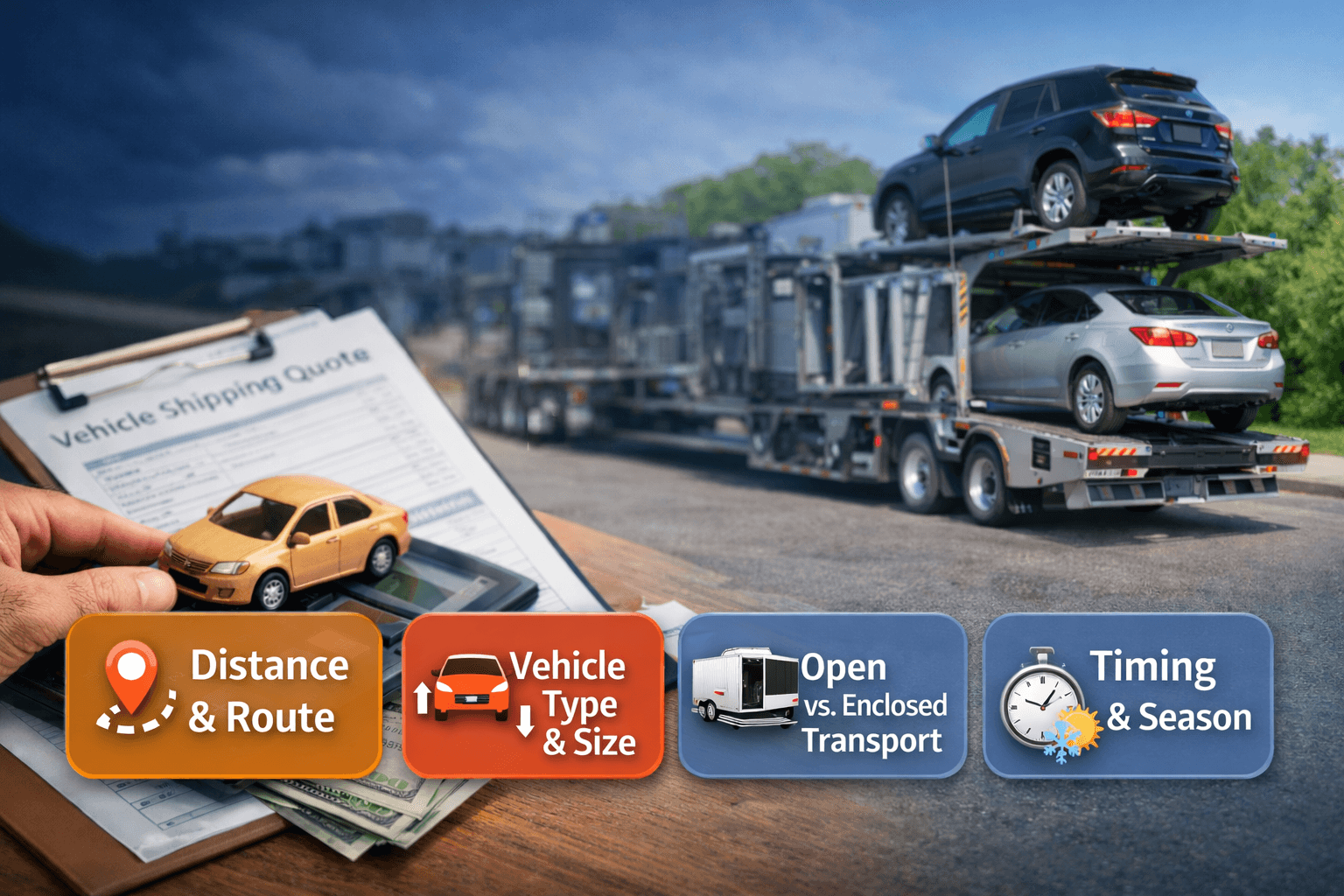
  • Vehicle Size: Shipping a heavy SUV costs more than a standard sedan due to weight and space.

  • Carrier Type: Open car shipping is the budget-friendly choice for most drivers.

  • Transport Mode: Selecting enclosed vehicle shipping adds a premium for better protection.

  • Seasonality: Costs spike during the summer and the winter snowbird car shipping rush.

As a broker, Blue Star typically splits your payment into a deposit and a carrier fee. You usually pay the deposit once they secure a driver and pay the remaining balance at delivery.

Always ask about potential add-on charges before you sign a contract. You might face extra fees for inoperable vehicles, remote residential pickups, or last-minute changes.

Compared to competitors, this company sits in the mid-range for pricing. While they aren't the absolute cheapest, their services offer better value than many "bargain" brokers.

To get the lowest price, book your shipment at least two weeks in advance and stay flexible with your dates. Checking a company's safety records on the FMCSA Company Data site ensures you aren't sacrificing safety for a lower bill.

Services and Shipping Options

Standard door-to-door open transport is the most popular choice for most drivers.It involves a carrier picking up your car from your driveway and delivering it directly to your new home.While cost-effective, your vehicle remains exposed to road dust and weather during the trip.

For high-value assets, you should consider enclosed vehicle shipping to provide maximum protection.This service is a must for luxury and exotic cars or classic models that cannot risk rock chips or rain.The trailers are fully covered, shielding your investment from every external element.
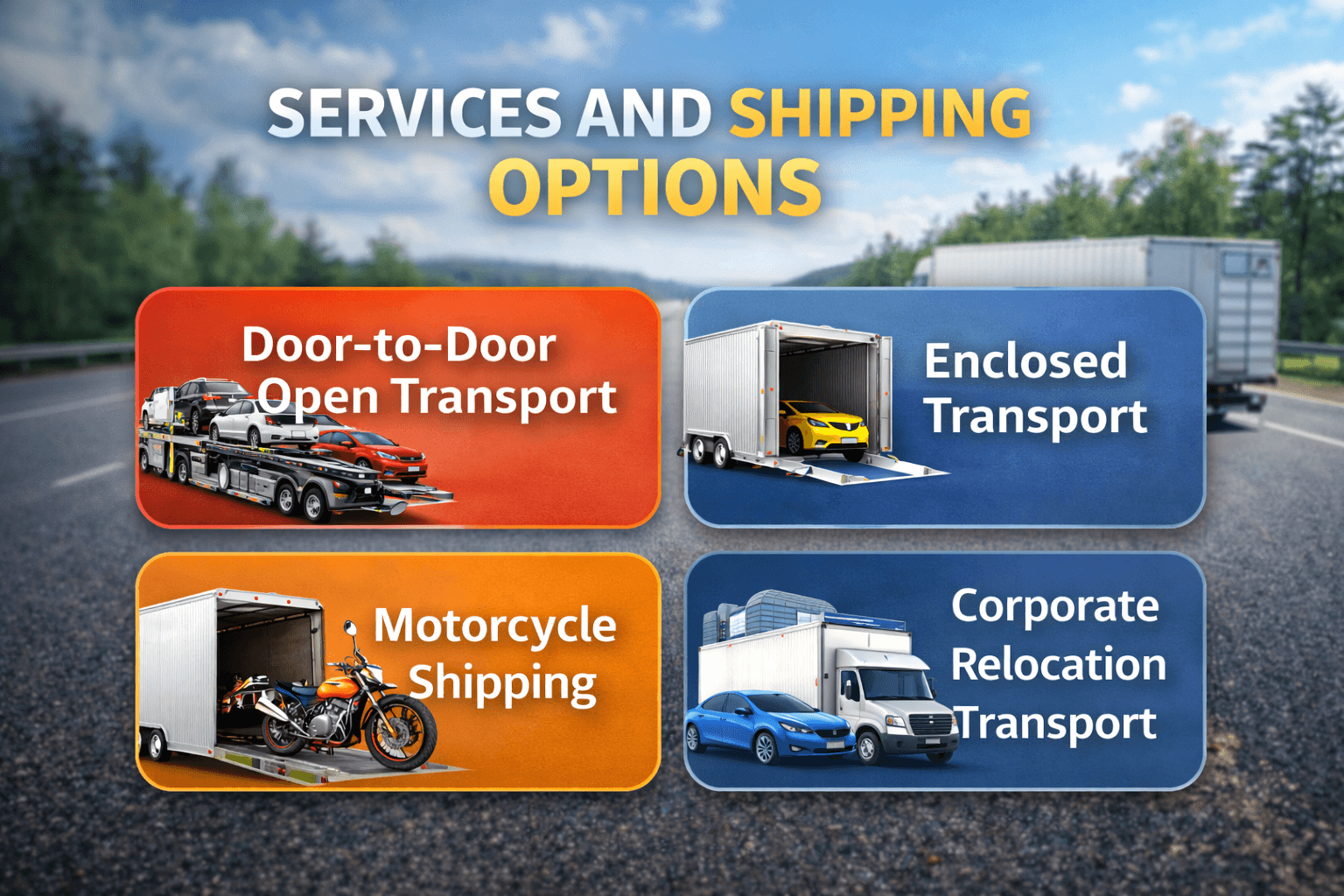
Motorcycle shipping requires a different approach than standard cars.Carriers use specialized skids and tie-down points to keep bikes upright and secure.Blue Star handles everything from light cruisers to heavy Harley-Davidsons with this dedicated equipment.

Businesses often have more complex needs than individual drivers.Blue Star offers dealer vehicle transport solutions to help move inventory between lots or auctions.They also manage corporate relocations, ensuring employee vehicles arrive on a tight schedule.

If you need to move a vehicle overseas, international shipping is available through their network of agents.You must confirm customs paperwork and port fees beforehand, as these vary by country.For those with multiple cars, ask about multi-car discounts to lower your total cost.

Service Type

Best For

Protection Level

Open Air

Daily Drivers

Standard

Enclosed

Classic Vehicles

High

International

Global Moves

Varies

Pickup and delivery windows are estimates, not ironclad guarantees.Most shipments have a 2-day window for pickup depending on driver availability.You can get real-time status updates by calling their tracking line at 1-877-445-BLUE.

Reputation, Customer Satisfaction, and Real-World Complaints

You need to look past the marketing promises to see how a company actually treats its customers. This Blue Star Auto Movers Review digs into the feedback from people who have already used their services to move vehicles across the country.
What Customers Praise Most

People who have a positive experience often highlight the smooth pickup and delivery process. You want a driver who shows up when they say they will, and many customers report that Blue Star hits these marks on popular routes. They appreciate the lack of drama when their car arrives in the same condition it left.

Pricing is another area where this company wins fans. You will find that their rates are often very competitive compared to other major brokers. Many drivers mention that the initial quote was affordable enough to fit their relocation budget without forcing them to sacrifice service quality.

The human element matters too. You might speak with sales agents or support reps who are described as helpful and patient. This is especially true for first-time shippers who have a lot of questions about how the process works.

Finally, their ability to handle long-distance hauls across multiple states is a major plus. Whether you are moving from a location in Texas to the East Coast or vice versa, users often report that the company manages these complex logistics well.

Most Common Complaints to Watch For

No company is perfect, and you should watch for reports of delays or scheduling changes. Since Blue Star is a broker, they don't always have direct control over the specific carrier's schedule. You might deal with a driver who gets stuck in traffic or faces mechanical issues, pushing your pickup back.

Communication gaps can also happen after you book your spot. Some customers feel left in the dark once the initial deposit is paid. You should stay proactive and ask for updates if you don't hear from your assigned driver within the expected window.

Price changes are a frustrating reality in the broker world. You might get an initial estimate that increases once a carrier actually accepts the job. This usually happens because of high demand on a specific route or a lack of available drivers in your area at that moment.

Damage claims are rare but do occur. You must document every inch of your vehicle with photos before it gets loaded onto the truck. Some users report difficulty getting a response if they find a new scratch upon delivery, so having proof is your best defense.

How Much of the Experience Depends on the Carrier

You must understand that your actual experience depends heavily on the carrier that Blue Star hires. Even a legitimate broker can have inconsistent results because they work with thousands of independent trucking companies. A great broker acts as your advocate if things go wrong.

Watch for red flags when the driver arrives. If the carrier’s equipment looks poorly maintained or the driver seems unprofessional, it could suggest problems ahead. You have the right to double-check their credentials on the Check DOT and an MC number website.

A good broker should step in immediately if a carrier stops communicating or tries to demand extra cash at delivery. You pay the broker to handle these headaches for you. If they don't help you resolve the conflict, they aren't doing their job.

Better Business Bureau (BBB) and Trust Signals

The BBB status for Blue Star can be confusing because "not accredited" does not mean the company is a scam. It simply means they haven't paid the fee to join the BBB as a member. You should focus on their letter grade and the actual substance of the complaints filed there.
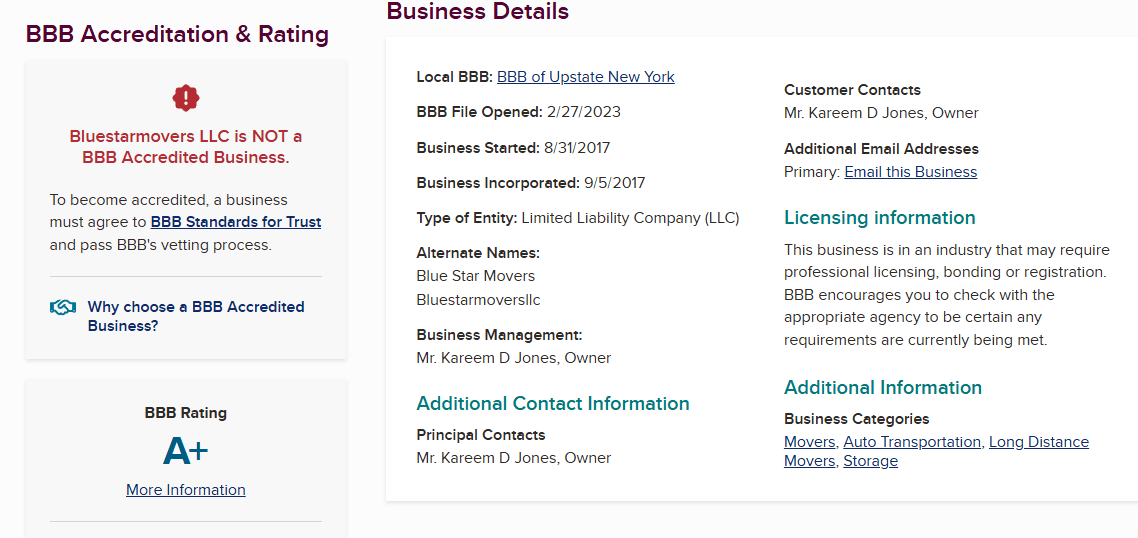
Interpret BBB complaints realistically by looking at how the company responds. Do they ignore the customer, or do they try to fix the problem? Every large transport company will have some negative feedback, so look for patterns rather than isolated incidents.

Review platforms often show mixed results because people are more likely to post when they are angry. You should check the recency of reviews to see how the company is performing right now. Feedback from a move three years ago isn't as relevant as a review from last month.

Before you finalize your decision, take a moment to look at our 10 best car shipping companies list. It helps you compare Blue Star against the top performers in the industry so you can choose with confidence.

How to Reduce Risk Before Booking

You need to be proactive to ensure a safe move. Before you pay a single dollar, ask if the quote is binding or just an estimate. A binding quote locks in your price, while an estimate can shift based on driver availability or fuel costs.

Cancellation terms are equally important to your wallet. Verify if there is an upfront deposit and under what conditions it becomes non-refundable. Most Blue Star Auto Movers Review posts suggest that clarity on these financial details prevents disputes later.

Always confirm the insurance coverage included with your shipment. Blue Star offers a $1 million cargo policy that adds a safety net on top of the carrier's own insurance.

Ask for the specific policy details and ensure it covers your vehicle type, especially for luxury or exotic cars.

Step

Action

Why It Matters

Verify Carrier

Check DOT and an MC number

Ensures legal operation

Confirm Window

Get a 2-day pickup window

Helps you plan your schedule

Review BOL

Understand the Bill of Lading

It's your official receipt

Documenting your car's condition is your best defense against damage claims. Take clear, time-stamped photos of the exterior and interior from every angle before the truck arrives. Note any pre-existing dings or scratches on the Bill of Lading during the pickup inspection.

Keep your fuel level at a quarter tank to reduce weight and improve truck safety. Provide the driver with a spare set of keys and remove all personal items from the cabin. Standard insurance policies rarely cover theft of loose items inside the vehicle, so it is best to pack items in car transport only if allowed by your carrier.

Finally, verify the carrier’s name and credentials before you hand over your keys. A quick search on the FMCSA website can confirm the driver is authorized to haul your car. Being thorough now saves you from massive headaches once your car is on the road.

Inside the Auto Shipping Process

You likely have specific concerns that standard reviews don't always address. These common queries focus on the practical details of moving your vehicle with Blue Star Auto Movers.

Can I put personal items in my car when shipping with Blue Star Auto Movers? 

Most carriers allow up to 100 pounds of items in the trunk, but these aren't insured. It is safer to pack items in car transport only if they are secured and replaceable.

How does the Blue Star Auto Movers Review process help me avoid transport scams? 

Reading a Review ensures you are dealing with a registered broker. Always verify their credentials on the FMCSA Company Data site to confirm they have active operating authority.

What happens if my car is damaged during Blue Star Auto Movers transport? 

You must note any damage on the Bill of Lading at delivery. Blue Star provides a $1 million cargo policy, but you must have photos of the car before pickup to file a claim.

Will Blue Star Auto Movers provide a guaranteed pickup date for my vehicle? 

Brokers usually provide a 2-day window rather than a specific date. This flexibility allows them to find a reliable driver near you. You can check our car shipping time reasons guide for more details.

How do I pay the remaining balance for my Blue Star Auto Movers shipment? 

You typically pay the carrier with cash, a money order, or a cashier's check upon delivery. Ensure you confirm the accepted payment methods with your assigned driver before they arrive at your door.

Should You Trust Blue Star Auto Movers With Your Car?

Deciding on a provider requires balancing cost with peace of mind. This Blue Star Auto Movers Review shows a company with two decades of experience and a massive insurance policy that protects your investment. 

While they are a broker, their network across all 50 states makes them a viable option for both cross-country moves and short hauls. You should remain proactive by checking their latest ratings on the FMCSA and documenting your vehicle's condition.0

 If you want a company that offers mid-range pricing with a strong safety net, they are worth a look. Always compare multiple quotes to ensure you get the most reliable service for your specific route and timeline.

Ready to move? Get a Quote to find the most reliable carriers and best rates for your upcoming vehicle shipment today.

Related articles

FEB 13, 2026
Comprehensive Autos On The Go Review: Reliable Car Shipping Exposed

Comprehensive Autos On The Go Review: Reliable Car Shipping Exposed

TRANSPORTVIBE

Finding a trustworthy company is hard. This Autos On The Go Review examines how this family business handles your vehicle. Moving a car involves high stakes and tight schedules. You need a team that understands the logistics of cross-border shipping and door-to-door delivery. They focus on clear communication and real human support to keep your mind at ease. Whether you ship a daily driver or a luxury classic, the process stays straightforward. We look at their history, safety records, and customer feedback to see if they meet your needs. Ready to move your vehicle? You can get a quote today to see how our top rated partners can help you with your next car shipment. Autos On The Go Company Overview and Market Position You want a shipping partner that knows the roads. This Autos On The Go Review shows why they stand out. Established in 2008, this family-run business brings decades of combined experience to the table. They operate from a headquarters in Farmington Hills, Michigan, but their reach is much broader. They manage a massive operational footprint across the entire United States and Canada. You can rely on them for complex cross country car shipping without the usual headaches. Their team handles everything from local hauls to international border crossings with ease. Legal credentials are the backbone of any legitimate transport service. The company holds active federal authority through the FMCSA . You can verify their professional standing using their official credentials: USDOT Number : 2243259 MC Number : 660651 Safety Rating : Active and in good standing You can check these specific details yourself on the FMCSA SAFER website . They maintain a $75,000 surety bond to protect every shipment they handle. This level of transparency is exactly what you need when trusting someone with your vehicle. Understanding the difference between brokers and carriers is vital for your move. Autos On The Go acts as both a licensed broker and a carrier. This hybrid position gives you the best of both worlds. They own their equipment but can also tap into a vast network of vetted partners. This structure allows them to offer reliable car shipping even on difficult routes. If their own trucks are full, they find a trusted partner who meets their strict safety standards. You get the flexibility of a large network with the accountability of a family business. Their services cater to a wide range of specific needs. Private owners moving for a new job or buying a car online find their door-to-door service perfect. Collectors and enthusiasts often choose them for classic vehicle shipping because of their enclosed trailer options. Corporate clients also make up a large portion of their regular business. They partner with relocation companies to move employees and executives across North America. Dealerships use them to move inventory from auctions like Manheim or Copart directly to their lots. Whether you are a single car owner or a fleet manager, they have a solution for you. Autos On The Go Car Shipping Services Explained in Detail You need to understand exactly how your car moves from point A to point B. This Autos On The Go Review breaks down their specific service tiers. They offer a range of solutions tailored to your schedule and vehicle type. Door-to-Door Vehicle Transport Capabilities You get the convenience of having a driver come directly to your home. In a real scenario, the carrier calls you to coordinate a specific pickup window. They inspect the vehicle with you and sign a Bill of Lading before loading. But real world logistics often involve tight residential streets. Huge 80 foot trailers cannot always navigate narrow cul-de-sacs or low hanging trees. If your street has access limitations, the driver will ask you to meet at a nearby large parking lot. Scheduling stays flexible to match your needs. You should ideally book one week in advance to secure your spot. However, they often handle shorter time frames for priority auto shipping when you are in a rush. The team manages all communication so you are never left wondering where your car is. You receive a toll free number to check status at any time. They also provide quick updates via text or email within minutes. Cross-Border and Long-Distance Shipping Coverage You can ship your vehicle to almost any destination in the U.S. and Canada. They cover nationwide routes from the Atlantic to the Pacific. Common paths include executive relocations and seasonal car relocation for those heading south. Shipping to Canada requires specific expertise that most brokers lack. Autos On The Go handles the complex documentation for crossing the border. They manage the 72 hour customs clearance process to prevent delays. They serve major hubs like Toronto, Vancouver, and Winnipeg regularly. You can also rely on them for shipping a car to Hawaii through their port partners. Their experience ensures that your vehicle doesn't get stuck at a terminal or border crossing. Whether you are moving for work or retiring to a new state, they have a route for you. They specialize in "snowbird" routes like the popular Hamptons to Palm Beach run. This deep route knowledge helps them provide reliable car shipping every time. Enclosed, Specialty, and High-Value Vehicle Transport You should choose enclosed transport if you own a luxury, exotic, or classic car. This method protects your investment from road debris, rain, and snow. It is the gold standard for luxury exotic car shipping where condition is everything. They have experience handling modern tech like the Tesla Cybertruck or the Moke electric car. Electric vehicles require specific care due to their weight and battery safety. They use specialized straps and loading techniques to mitigate any risk during transit. Risk mitigation is built into their standard operating procedure. Every high value automobile is covered by their $1,000,000 insurance policy. There are no deductibles for you if a claim arises during transport. The company treats every specialty vehicle with "white glove" handling. You can verify their insurance and safety history through FMCSA Company Data . This transparency gives you peace of mind when shipping your most prized possessions. Ready to see what it costs to move your vehicle? You can get a quote and compare options from the best carriers in the business. Autos On The Go Pricing Structure and Cost Transparency You need a clear picture of what you are paying for when shipping a vehicle. This Autos On The Go Review examines their approach to pricing and market value. They calculate quotes by analyzing current lane data and carrier availability in real time. The distance of your route is the primary driver of the final cost. Several secondary factors also influence your specific shipping rate: Vehicle Type : Larger SUVs and trucks cost more due to weight and space. Timing : Prices rise during peak seasons like summer or the New Year. Route Popularity : Shipping between major hubs is often cheaper than rural delivery. You must decide between an open or enclosed carrier. Open transport is the most common and budget friendly choice for daily drivers. Enclosed carriers offer maximum protection but typically cost 40% to 60% more. This premium covers specialized equipment and higher insurance limits for your vehicle. If you are on a tight schedule, you can opt for priority auto shipping. Expedited service usually adds $125 to $250 to your base price. This fee compensates the carrier for rerouting or making a same day pickup. Hidden fees are a major concern for anyone looking for reliable car shipping. Autos On The Go emphasizes transparency by including insurance and taxes in their initial quotes. You should always confirm if your quote is binding to avoid post booking price changes. Their pricing often sits slightly higher than "low cost" brokers who use bait and switch tactics. Cheap brokers often post low rates that no actual carrier will accept. This leads to delays and sudden price hikes when you are already on a deadline. Autos On The Go focuses on realistic rates that ensure your car actually moves when promised. Are you worried about hidden car shipping fees from other companies? Our guide can help you spot red flags before you sign a contract. Ready to see how their rates stack up? You can get a quote now to compare top tier transporters for your specific route. Customer Experience, Communication, and Satisfaction Analysis You want to know if a company actually keeps its word once your car is on the trailer. This Autos On The Go Review focuses on the most critical part of any move: how they treat you and your vehicle. Understanding their reputation helps you decide if they are the right fit for your needs. Review Ratings and Verified Customer Feedback You can find extensive data on their performance through major platforms. They maintain a presence on uShip with thousands of completed shipments and high satisfaction scores. They also hold an A+ rating with the Better Business Bureau, showing a commitment to professional standards. Common praise points from verified customers include: Professionalism : Many users report that drivers are courteous and handle vehicles with care. Expertise : Customers shipping high-value cars, like a Ford Bronco or classic models, felt safe with their choice. Reliability : Long-term "snowbird" clients often return to them every year for seasonal moves. However, you should be aware of patterns in negative feedback. Complaints occasionally surface regarding poor communication or "no-show" situations where a driver fails to arrive on time. Some users have reported difficulties reaching the team after a job has been accepted or when delays occur. While these issues are not the norm, they happen enough to warrant your attention when choosing the best vehicle shipper . Communication, Updates, and Issue Resolution You need a team that stays in touch from pickup to drop-off. Autos On The Go emphasizes a personal touch by avoiding automated call centers in favor of real staff. They aim to provide updates through their toll-free support line and direct contact with drivers. Responsiveness is generally high before you book. Agents like Mirel are often cited for being meticulous in explaining how the process works. But some customers have faced challenges with responsiveness during the middle of a transit. They manage disruptions like weather or route changes by coordinating between the carrier and the client. If a delay happens, their goal is to provide a new delivery window as quickly as possible. Professionalism remains a core value, even when resolving difficult claims or late arrivals. You can check their official data and safety records via the FMCSA . This step ensures you are dealing with a company that follows federal regulations for safe car shipping . Effective issue resolution is what separates a top-tier company from a low-quality broker. Insurance Coverage, Risk Protection, and Overall Trustworthiness You need absolute certainty that your investment is protected during transit. This review clarifies how their insurance policies and carrier standards shield you from financial loss. They maintain a rigorous safety framework that serves both private owners and corporate relocation needs. Cargo Insurance and Liability Coverage Explained Every shipment includes a primary cargo insurance policy provided by the carrier assigned to your route. This coverage typically ranges from $100,000 for open trailers to over $1,000,000 for enclosed transport. It protects your vehicle against damage from collisions, fire, or equipment failure during the car shipping guide benefits period. However, you must verify what is excluded from these standard policies. Carriers do not cover personal items left inside the car or "acts of God" like hail and flooding on open trailers. You should also check if your personal auto insurance provides secondary coverage while the vehicle is in a third-party's care. Carrier Vetting and Safety Standards Autos On The Go utilizes a meticulous vetting process to ensure your vehicle is only handled by top-tier professionals. They verify every driver's credentials through the FMCSA Company Data portal to confirm active authority and high safety ratings. Their team monitors Check DOT and an MC number status for every partner in their network. Building long-term relationships with reliable carriers is a core part of their business model. These established bonds mean they can secure priority auto shipping even when market capacity is tight. By avoiding "bottom-feeder" carriers, they significantly reduce the risk of delays or damage claims. Inside the Auto Transport Playbook Moving a vehicle across borders or states creates specific challenges that most owners only face once or twice in a lifetime. These insights address the less obvious details that ensure your shipment stays on track and within your budget. Can I track my vehicle while in transit using GPS? You can track your vehicle through direct carrier updates and toll-free support lines. While many trucks use GPS for internal logistics, you typically receive status alerts via text or phone from your coordinator. How do I prepare my electric vehicle for shipping safely? You should charge your battery between 30% and 70% before pickup. This range is the industry standard for safe transit, as it reduces thermal risks while ensuring enough power for loading and unloading procedures. What documents do I need for shipping a car to Canada? You must provide a clear copy of the vehicle title, a valid passport, and a bill of sale. Your transport agent will also require a signed power of attorney to clear customs on your behalf. Is terminal-to-terminal transport cheaper than door-to-door service? Terminal shipping is generally more affordable but requires you to drop off and pick up the car yourself. Most customers prefer the convenience of door-to-door delivery to avoid the logistics of reaching a storage hub. How does seasonal demand affect my car shipping quote? Prices fluctuate during the "snowbird" migration in winter and the peak moving season in summer. Booking during the fall or spring often results in lower rates because carrier demand is more balanced across the country. Is Autos On The Go Worth Choosing? You may find that Autos On The Go is not ideal if you are strictly hunting for the lowest possible price. Bargain brokers often quote unrealistic rates that result in your vehicle sitting at a terminal for weeks. If you require reliable car shipping with actual accountability, their higher standard of service justifies the cost. They are an excellent choice for anyone needing cross-border expertise or luxury exotic car shipping . Their transparency regarding insurance and carrier selection makes them a trustworthy leader in the North American market. For a stress-free experience, they are certainly worth the investment. Ready to see how their rates compare? You can get a quote today to see the best options for your next vehicle shipment.

FEB 11, 2026
Central Dispatch Auto Transport Power Review: Expert Insight on Rates & Routes

Central Dispatch Auto Transport Power Review: Expert Insight on Rates & Routes

TRANSPORTVIBE

Central Dispatch Auto Transport is one of the biggest names you hear when you start looking into car shipping across the United States. If you’re comparing rates, routes, and real-world reliability, you need clear facts, not hype. This review breaks down how the platform works, what you can expect to pay, and whether it fits your shipping needs. Want a quick way to compare trusted auto transport options before you book? Get a quote now through Transportvibe’s vetted providers. Central Dispatch Auto Transport at a Glance Central Dispatch Auto Transport is a national vehicle transport marketplace that connects shippers, brokers, and carriers instead of running its own trucks. You use it to match your cars with carriers that already run your routes. It sits in the middle of the auto transport industry and shapes how rates and routes get set every day. When you compare companies, you’ll see Central Dispatch Auto Transport show up often because so many brokers and carriers depend on it to keep trucks loaded and moving. Marketplace, Not a Traditional Carrier You need to understand one thing first: Central Dispatch Auto Transport is a marketplace, not a door-to-door car shipping company with its own fleet. You don’t book a truck “from Central Dispatch” the way you book with a retail carrier. Instead, shippers and brokers post loads and professional carriers claim those loads. You see this in how the platform works: Shippers create listings with pickup and drop-off locations, vehicle details, and pay. Carriers search the load board by lane, price, and dates. Both sides negotiate and agree on terms off-platform, then dispatch the job. For you as a customer, that means Central Dispatch Auto Transport sits behind the scenes when you hire many brokers. They often use this marketplace to find a carrier to move your vehicle, whether it’s a standard sedan, SUV, or a higher-value unit. Because it’s a marketplace, service quality depends on the individual broker and carrier you end up with, not the platform itself. You should still check safety and authority records through the FMCSA or the DOT/MC lookup tools before you trust any company that sources carriers here. The marketplace gives you choice and flexibility, but you need to do your vetting. If you want a deeper look at how broker-based systems work compared with direct carriers, you can read Transportvibe’s guide on how car shipping works. Who Really Uses Central Dispatch? Central Dispatch Auto Transport mainly serves industry users, not everyday consumers logging in to post a one-time move. When you hear that your car is being shipped “on a national network,” there’s a good chance someone in the chain is using this marketplace. The main user groups include: Auto transport brokers who book your shipment and then find a carrier. Dealerships and auto auctions moving multiple vehicles every week. Individual carriers and small fleets that rely on the board to keep routes full. Larger carrier networks that use it to fill gaps on specific lanes. If you’re a retail customer, you usually never touch Central Dispatch Auto Transport directly. Instead, your broker posts your vehicle, reviews carrier ratings, and picks a truck that matches your route and timing. That’s why comparing broker quality and reading real reviews on sites. For carriers and dispatchers, this marketplace is a primary tool to plan profitable routes and avoid driving empty miles. They filter loads by state, city pairs, and rate per mile to build back-to-back trips. If you want a better idea of how these users think about lanes and pricing, check Transportvibe’s state-focused guides such as Texas auto transport cost and tips . Knowing who really uses Central Dispatch Auto Transport helps you see it for what it is: a behind-the-scenes engine that powers much of the U.S. car shipping business, not a single company promising you one standard level of service. Pricing, Membership Fees, and Real-World Costs on Central Dispatch Auto Transport When you look at Central Dispatch Auto Transport, you’re really looking at two layers of cost. One is what brokers, dealers, and carriers pay to access the marketplace. The other is what you, as the customer, pay for an actual car shipment. Both matter if you want to understand how rates and routes get built on this platform. Central Dispatch Auto Transport plans and tools shape how professionals price loads, search routes, and negotiate with each other. That pricing flow is why two similar car shipping quotes can look very different once they hit the load board. Monthly Subscription Tiers, Access Levels, and Typical Fee Ranges for Users If you work inside the industry, Central Dispatch Auto Transport charges you a monthly membership fee to use the marketplace and tools. You don’t pay per load; you pay for access and features. Right now the main tiers look like this for most business users: Core plan: starts around $139.95 per month plus tax for basic marketplace access and tools.​ Premium plan: starts around $214.95 per month plus tax and adds more data, APIs, and support.​ Enterprise: custom pricing for high-volume operations that need more flexibility and support.​ On the Core level, you get access to the large auto logistics marketplace, advanced search, multipoint route search, digital documents, and the Price Check tool that shows what similar loads actually moved for.​ Premium builds on that with features like Price Check Plus (predictive pricing gauges), more APIs, and dedicated performance management support for carriers and large shippers.​ If you’re a consumer using a broker who relies on Central Dispatch Auto Transport, you don’t see these subscription fees directly. They roll into the broker’s overhead and influence how aggressively they have to price your shipment to stay profitable. You can compare this membership-based structure with more traditional retail car shipping companies in Transportvibe’s other reviews, like this detailed Montway Auto Transport review . That helps you see the difference between paying a company that owns trucks and working through a marketplace-driven broker model. How Central Dispatch Load Prices Are Set on the Board vs. What Customers Ultimately Pay When your broker posts your vehicle through Central Dispatch Auto Transport, the price you see on your quote and the price carriers see on the board don’t always match one-to-one. That gap is where a lot of confusion comes from. Here’s how pricing usually works behind the scenes: You request a quote from a broker. The broker checks market data, often using tools like Price Check or Price Check Plus, to see what similar loads actually paid on Central Dispatch Auto Transport.​ The broker sets your customer price, then posts a slightly lower “carrier pay” rate on the load board to leave room for their margin. Carriers scroll through the board and decide whether the posted rate per mile works for their route and schedule. In other words, the “load price” on Central Dispatch is usually the carrier’s pay, not your full customer price. The difference covers: The broker’s membership costs and operating expenses. Their margin for managing your booking, paperwork, and communication. Extra risk if the load takes longer to move than expected. You can protect yourself by asking your broker clear questions: What is the carrier’s pay on this route? Are you reposting my load at a lower rate than I’m paying? How will you adjust the rate if no carrier accepts it? You should also check carrier credentials through the DOT and MC databases before you agree to anything, using tools like the FMCSA’s official Company Snapshot search . That way, you’re not just trusting the load board price—you’re confirming that the carrier who accepts your job is properly licensed and insured. Service Scope, Routes, and Vehicle Shipping Capabilities Across the U.S. Central Dispatch Auto Transport reaches across the United States by connecting thousands of shippers and carriers on one shared marketplace. You’re not limited to a single company’s routes or trailer types. Instead, you tap into a nationwide pool of trucks that already run the lanes you need, which is why so many brokers and dealers rely on Central Dispatch Auto Transport for everyday moves and seasonal surges. If you’re planning a long-distance move and want a broader view of how cross-country routes work, check Transportvibe’s guide on how to ship a car across the USA . Coverage by Lanes and Regions On the carrier side, Central Dispatch Auto Transport is all about lanes. Car haulers don’t just see “New York to Texas” as a single trip—they see outbound and return routes, seasonal swings, and what loads pay on each stretch. When your broker posts your shipment, they position it on the board in specific origin and destination lanes. Common patterns include: High-demand north–south routes for snowbirds, like New York to Florida or Midwest to Arizona. Busy east–west corridors between coastal markets and inland hubs. Regional short-haul routes that keep trucks turning quickly within one cluster of states. Because Central Dispatch Auto Transport aggregates so many loads, it helps carriers string multiple jobs together. That reduces empty miles and often makes your lane more attractive if the pay is right. You still need to think about timing and geography. Rural pickups, remote mountain towns, and off-corridor destinations cost more because fewer carriers run those routes. For more state-specific rate and timing context, you can dig into resources like Transportvibe’s car shipping cost per state breakdown . If your pickup or drop-off is in a popular metro along a main corridor, you’ll usually see better response times and more flexible scheduling from carriers using the marketplace. Types of Vehicles and Trailers Central Dispatch Auto Transport doesn’t limit you to only standard sedans. The marketplace supports a wide mix of vehicles and trailer setups, which gives you more control over how your car, truck, or specialty unit moves. On the board, carriers filter loads by: Vehicle type: sedans, SUVs, pickup trucks, vans, motorcycles, and sometimes inoperable vehicles. Size and weight: compact cars vs. heavy-duty pickups or oversized units. Condition: running, non-running, or modified. Trailer type: open carriers, enclosed carriers, flatbeds, and specialized equipment. For most everyday cars, brokers post loads for open carriers because they’re the most common and cost-effective. If you’re shipping a classic, luxury, or high-value vehicle, your broker can specify enclosed transport so only enclosed car haulers see your listing on Central Dispatch Auto Transport. You should match the trailer type to your risk tolerance and vehicle value. If you’re not sure where you fall, Transportvibe’s breakdown of open vs enclosed car shipping gives you a clear side-by-side look at cost, protection, and when each option makes sense. The marketplace structure means that as long as a licensed carrier with the right trailer wants your route, you can usually find a fit—from everyday commuters to specialty units that need extra protection or equipment. Is Central Dispatch Auto Transport Trustworthy? When you use Central Dispatch Auto Transport, you’re trusting a marketplace full of independent brokers and carriers, not one unified company. So the real question is how well the platform helps you separate solid partners from risky ones. The built-in rating system is your first filter. After every job, users score each other on: Communication On-time performance Payment behavior Overall experience Over time, you see clear patterns. Carriers complain about delayed or short payments, lowball posted rates, and dispatchers who are hard to reach once the vehicle is on the truck. Brokers complain about no-shows, last‑minute cancellations, and damage disputes that turn ugly when documentation is weak. You’ll also see industry chatter about rising Central Dispatch Auto Transport fees and frustration when higher membership costs don’t line up with better support. That background noise matters because it explains why some brokers push harder on rates or cut corners on communication. Experienced users don’t treat any single star rating as gospel. They: Check how many completed transactions the company has Read the most recent 10–20 comments, not just the score Look for repeated red flags like “late pay,” “ghosted,” or “changed price” On top of that, they run every new partner’s DOT and MC information through FMCSA tools and then compare feedback on independent review hubs like Transportvibe’s auto transport company reviews . If you follow that same playbook—ratings, patterns, FMCSA checks, and third‑party reviews—you turn Central Dispatch Auto Transport from a gamble into a controlled, informed decision. What Drivers And Shippers Ask Most These are the kinds of questions people usually ask once they start looking closely at Central Dispatch Auto Transport and how it fits into real shipping plans. How does Central Dispatch Auto Transport work behind my broker’s quote? Your broker posts your vehicle on the Central Dispatch Auto Transport marketplace, offers a carrier pay rate, and waits for a truck to accept. The difference between your quote and carrier pay is the broker’s margin and overhead. Is Central Dispatch Auto Transport good for one-time personal moves? Central Dispatch Auto Transport is built for brokers, dealers, and carriers, not retail customers. For a one-time move, you usually work with a broker who uses the marketplace on your behalf and manages carrier selection. How do I know if a Central Dispatch Auto Transport carrier is legit? Ask for the carrier’s legal name, DOT, and MC numbers, then verify them on federal databases. Combine that with recent ratings and reviews to confirm safety record, insurance, and dispute history. Why do Central Dispatch Auto Transport rates change so quickly? Rates shift with fuel costs, season, route demand, and how many trucks are sitting empty on a lane. If a posted load doesn’t move, brokers often raise the carrier pay until someone accepts it. Can I ship high-value or classic cars through Central Dispatch Auto Transport safely? Yes, if your broker filters for experienced enclosed carriers, checks rating history, and verifies coverage. You also need a thorough inspection, clear photos, and written instructions for loading, unloading, and handling. Central Dispatch Auto Transport: What Smart Shippers Do Next Central Dispatch Auto Transport gives brokers and carriers a powerful marketplace, but your experience still depends on who actually handles your vehicle. Use what you’ve learned here to ask better questions, check safety records, and compare companies before you book. When you treat Central Dispatch Auto Transport as one tool—not the whole solution—you get more control over price, timing, and protection. Ready to compare trusted shippers and lock in a realistic rate for your route? Get a quote today through vetted providers on Transportvibe with this simple Get A Quote form.