



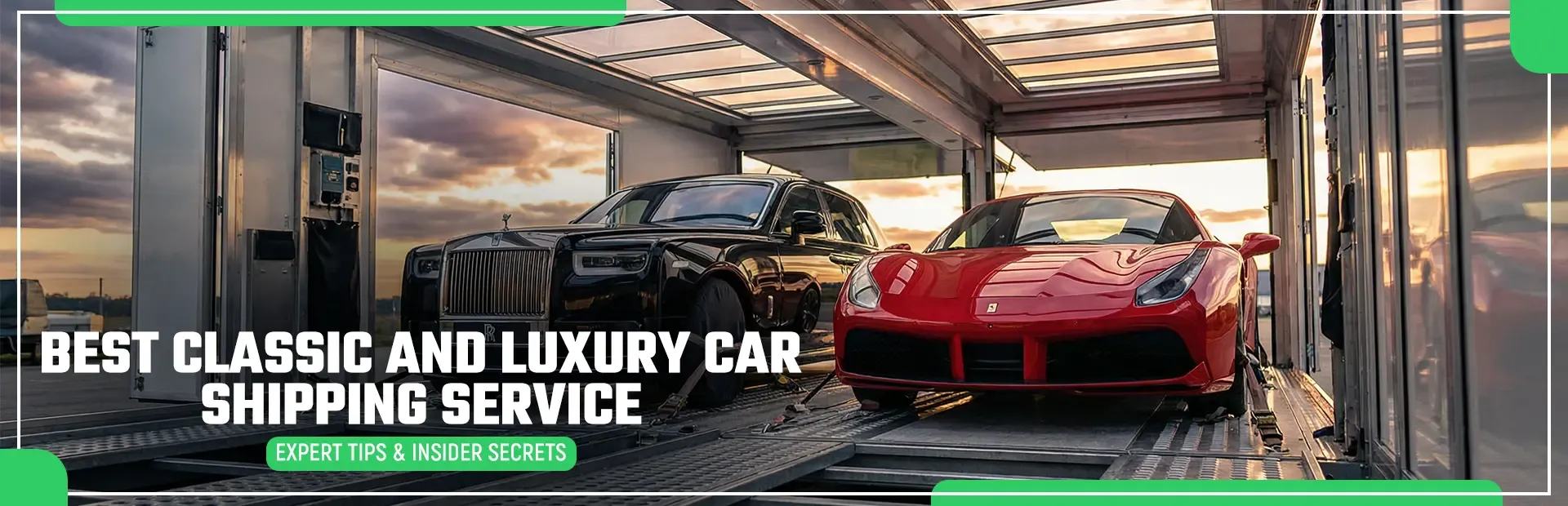
The final mile of a vehicle's journey is often the most critical. Meticulous classic car shipping and luxury car shipping require specialized care to protect your prized asset. A pristine vintage automobile or a brand-new exotic model isn't just a car; it's a valuable, fragile investment that demands the highest standard of transport.
Standard services can expose your vehicle to risks, but a specialized enclosed auto transport for luxury vehicles provides the security and peace of mind you deserve. Choosing the right partner for safe car shipping for vintage cars means prioritizing professionalism and a proven track record.
Ready to find secure auto transport for your high-end vehicle? Get a free quote for luxury and exotic or classic vehicle shipping today.
Understanding Classic & Luxury Car Shipping
Transporting a classic or luxury vehicle is an endeavor that requires far more than a standard logistics plan. The unique characteristics of these high-value cars, combined with the significant risks of transport, necessitate a specialized approach. This section breaks down what makes these vehicles so different and why their shipping process must be equally unique.
What Makes These Cars Unique
Classic and luxury cars are not just a point of transport; they are a legacy. Their uniqueness is why classic car shipping and luxury car shipping services exist as a distinct industry.
Rarity, Value & Legacy
Unlike mass-produced vehicles, many classic and exotic cars are one-of-a-kind or produced in extremely limited numbers. Their value, which can be astronomical, is tied to their provenance and pristine condition.
For a car shipping for collectors, the vehicle is a prized asset and a piece of automotive history. A scuff or dent from transport isn’t just a cosmetic issue; it can severely devalue the car.
Fragility and Technology
A vintage automobile’s delicate paint, chrome, and decades-old mechanical components are extremely vulnerable to road debris, dust, and weather. Meanwhile, modern high-end luxury cars come with complex, sensitive electronics and low-clearance chassis that require specialized handling.
A one-size-fits-all approach is a recipe for disaster when you need safe car shipping for vintage cars or cutting-edge supercars.
Sentimental Value
Beyond the monetary value, many owners have a deep personal connection to their vehicles. A classic car might have been passed down through generations or represent a lifelong dream.
This emotional investment makes peace of mind during transport non-negotiable. The goal is to ensure the vehicle arrives in the exact same condition it left in.
How Classic & Luxury Car Shipping Differs from Standard Transport
The differences between specialized and standard car transport are extensive, affecting everything from equipment to legal protection. Here’s a detailed comparison to highlight why a dedicated luxury car transport service is essential.
| Feature | Standard Auto Transport | Specialized Classic & Luxury Car Transport |
| Carrier Type | Primarily open-air carriers, exposing vehicles to weather, dust, and road debris. | Exclusively enclosed auto transport for luxury vehicles. This shields cars from all elements. Carriers can be single-car haulers for maximum privacy or multi-car enclosed transporters. |
| Equipment | Standard ramps and chains that can be rough on a vehicle's undercarriage and frame. | Uses hydraulic lift gates and soft, padded straps to secure vehicles by the tires. This prevents any damage to the frame or suspension, essential for transporting rare cars safely. |
| Insurance | Typically offers basic cargo insurance with a low per-vehicle limit (e.g., $100,000). Damage claims can be complex. | Provides comprehensive and high-limit cargo insurance that covers the full market value of the vehicle. This insured car shipping for luxury cars is critical for protecting a high-value asset. |
| Driver Expertise | Drivers are experienced with general auto transport logistics but may not have specialized training for high-value cars. | Drivers are extensively trained in the meticulous handling of high-end vehicles, including loading, unloading, and securing them with precision. This is a core part of any white glove auto transport service. |
| Technology | May or may not offer basic GPS tracking and updates. | Features advanced GPS tracking and real-time updates for constant monitoring. Premium car shipping carriers often include climate-control, air-ride suspension, and other features for a smooth, temperature-regulated ride, ensuring secure auto transport for high-end vehicles. |
By understanding these distinctions, you can appreciate why the exotic car shipping cost is higher but ultimately represents a necessary investment in protecting your asset. Reputable carriers follow strict FMCSA regulations, which you can learn more about on the FMCSA website, to ensure safe and compliant operations.
Types of Car Shipping Services for High-End Vehicles
When it comes to classic car shipping and luxury car shipping, a single solution rarely fits all. The choice of service depends on your vehicle's value, your budget, and the level of protection you desire.
From an enclosed auto transport for luxury vehicles to a simple, cost-effective option, understanding the types of services available is key to securing secure auto transport for high-end vehicles.
Open vs. Enclosed Car Shipping for Exotic Cars
Choosing between open car shipping and enclosed car transport is the most crucial decision for owners of high-end vehicles. While open transport is widely used for everyday cars, enclosed transport is the gold standard for protecting a valuable asset.
| Feature | Open Transport | Enclosed Transport |
| Primary Use | Standard, daily-driver vehicles. | Luxury car transport services, classic, exotic, and race cars. |
| Cost | More affordable (usually 30-60% less). | More expensive due to specialized equipment and limited capacity. |
| Protection | Exposed to weather, road debris, and dust. | Fully shielded from all external elements, guaranteeing a pristine arrival. |
| Security | Vehicle is visible to the public during transit. | Vehicle is completely out of public view, reducing the risk of theft or vandalism. |
| Equipment | Standard ramps and chains for loading. | Hydraulic lift gates and soft straps designed for low-clearance and fragile vehicles. |
| Availability | High availability, with more carriers on the road. | Limited availability, requiring advance booking, especially for a white glove auto transport service. |
While open transport can seem like an attractive option due to its affordability, the risk to your valuable vehicle often outweighs the savings. For enclosed vs open car shipping for exotic cars, the answer is almost always enclosed. Ready to find out what it will cost?
Get an instant quote to see how much more you might pay for premium protection.
Enclosed Transport for Classic Cars
For collectors of vintage vehicles, enclosed transport for classic cars is not just an option—it’s a necessity. This service is specifically designed to protect the fragile components and historical integrity of antique automobiles.
- Shields from the Elements: A fully enclosed trailer acts as a protective cocoon, guarding against rain, snow, sun, and corrosive road salt.
- Prevents Road Debris Damage: Tiny rocks or debris kicked up by other vehicles can chip delicate paint or chrome. Enclosed transport eliminates this risk, ensuring safe car shipping for vintage cars.
- Enhanced Security: Your vehicle remains hidden from view, providing an extra layer of security and privacy for a priceless vehicle. For a secure and flawless experience, this is the best way to ship a luxury vehicle.
Enclosed Auto Transport for Luxury Vehicles
Modern high-end cars, from a sleek supercar to a luxurious SUV, require a different level of care. Enclosed auto transport for luxury vehicles is the premium solution that guarantees flawless delivery.
This service, often provided by premium car shipping carriers, is distinguished by:
- Air-Ride Suspension: The trailer's suspension absorbs road shocks, providing a smooth, cushiony ride that protects the vehicle's sensitive electronics and low-profile tires.
- Climate Control: Some carriers offer climate-controlled trailers, which is essential for protecting a vehicle's sophisticated finishes and preventing condensation damage during long-distance transport.
- White-Glove Service: The entire process is meticulously managed, from the initial inspection to the final delivery, providing total peace of mind for owners.
Find a carrier that specializes in luxury car transport services and let the experts handle your vehicle with the care it deserves.
Door-to-Door vs. Terminal-to-Terminal Delivery
In addition to the carrier type, you must also consider the convenience of the pickup and drop-off locations.
Door-to-Door Delivery
- How it Works: The carrier picks up your vehicle from your specified location and delivers it as close as legally and safely possible to your destination.
- Pros: This is the most convenient and secure option. It minimizes handling of the vehicle and reduces the risk of damage. It’s the best way to ship a luxury vehicle for a stress-free experience.
- Cons: It can be more expensive than terminal shipping.
Terminal-to-Terminal Delivery
- How it Works: You drop your vehicle off at a designated shipping terminal and pick it up at another terminal near your destination.
- Pros: This can be a more affordable classic car shipping option as it is more cost-effective for the carrier.
- Cons: It requires more effort on your part and your vehicle may be stored at a public lot, increasing its exposure to the elements and potential damage.
For any high-value car, the added cost of door-to-door service is almost always a worthwhile investment for the increased security and convenience.
Evaluating Classic & Luxury Car Transport Companies
Finding a reliable partner for your classic car shipping or luxury car shipping needs is the single most important decision you'll make. The market for best classic car transport companies and high-end vehicle logistics is vast, so knowing how to evaluate a potential partner is critical.
Beyond a flashy website, a company's reputation, credentials, and level of service are what truly matter. Here’s a detailed guide on what to look for, from luxury auto transport reviews to essential insurance coverage.
Best Classic Car Transport Companies: What to Look For
A transport company's legitimacy is a direct reflection of its commitment to safety and professionalism. Before you even ask for a quote, you must verify their credentials.
FMCSA Licensing and DOT Compliance
A legitimate carrier must be licensed by the Federal Motor Carrier Safety Administration (FMCSA) and hold a USDOT number. This ensures they are legally authorized to transport vehicles across state lines and are subject to federal safety regulations. You can easily verify a company's status by checking its USDOT number on the FMCSA website.
Verified Track Record
A company's history speaks volumes. A long track record of successful, on-time deliveries, especially for nationwide classic car transport, indicates expertise and reliability. Look for a verified history of safely transporting rare cars safely and without incident.
Ready to get started? We’ve compiled a list of the best classic car transport companies based on their credentials and customer feedback.
Luxury Auto Transport Reviews and Reputation
A company's reputation is built on more than just a five-star rating. Analyzing luxury auto transport reviews requires a discerning eye to understand the true level of service.
Look for Specificity: Vague reviews ("great service!") are less helpful than detailed accounts that describe the entire process—from initial communication to the condition of the vehicle upon delivery.
Read the Negative Reviews: Pay close attention to how the company responds to negative feedback. A professional company will address issues openly and constructively, demonstrating a commitment to customer satisfaction.
Search for Consistency: A pattern of similar complaints, whether about delays, poor communication, or minor damage, is a major red flag.
Before you decide on a company, take the time to read their customer reviews on their website and third-party review sites.
White Glove Auto Transport Service
For high-value, irreplaceable vehicles, a standard enclosed carrier might not be enough. This is where a white glove auto transport service provides the ultimate level of care and security.
A premium car shipping carriers offering this service go above and beyond with:
Specialized Handling: Drivers are specifically trained to handle high-end vehicles. They use equipment like hydraulic lift gates to load and unload cars with ultra-low clearance, ensuring zero contact with the vehicle's undercarriage.
Enhanced Protection: Vehicles are secured with soft, non-abrasive tie-downs that loop through the wheels, preventing any stress on the frame or suspension. Additional padding and custom coverings provide another layer of protection.
Continuous Monitoring: With a secure auto transport for high-end vehicles, you get real-time GPS tracking, dedicated customer support, and constant communication for peace of mind.
To learn more about this elite service, check out our guide to priority auto shipping.
Insured Car Shipping for Luxury Cars
For rare and exotic vehicles, standard insurance coverage is often inadequate. Ensuring maximum coverage is a non-negotiable part of the transport process.
By law, carriers must carry a minimum level of liability insurance. However, this may only cover a small fraction of a high-end vehicle’s value.
Many owners of high-value cars choose to purchase supplemental or third-party insurance to cover the gap between the carrier's standard policy and the vehicle’s full value. This insured car shipping for luxury cars provides comprehensive protection against theft, damage, or loss.
Before and after transport, you must meticulously document your vehicle's condition with high-resolution photos and a detailed Bill of Lading. This documentation is crucial for any potential claims.
When you're ready, get a quote today to see your total cost, including the exotic car shipping cost of insurance, and ensure a seamless, secure transport.
Cost Factors in Exotic and Premium Car Shipping
Understanding the cost of classic car shipping and luxury car shipping is about more than just a single number.
The final quote is a result of a complex interplay of factors, from the type of service you choose to the specific characteristics of your vehicle. This section breaks down the key variables that influence your exotic car shipping cost, helping you make a financially sound decision.
How Much Does Exotic Car Shipping Cost?
There is no fixed price for shipping a high-end vehicle, but you can anticipate the primary factors that drive the cost. The best way to get a precise answer to "how much does exotic car shipping cost?" is to understand what goes into the calculation.
Key factors include:
- Distance: The longer the distance, the higher the overall price. However, the cost per mile generally decreases for longer routes.
- Transport Method: Opting for enclosed auto transport for luxury vehicles is always more expensive than open-carrier transport, but it offers crucial protection. This premium is often 30-60% higher.
- Location: Shipping to or from major metropolitan areas is typically cheaper and faster than remote or rural locations due to higher carrier traffic and demand.
- Carrier Route: If your vehicle is on a popular shipping route (e.g., coast-to-coast), rates can be more competitive.
For a detailed explanation of pricing and to get a transparent quote tailored to your needs, check out our car shipping cost calculator.
Exotic Car Shipping Cost vs. Affordable Classic Car Shipping Options
While the primary goal is protecting your investment, budget is always a consideration. The choice between a premium service and more affordable classic car shipping options comes down to balancing security with cost.
| Feature | Exotic Car Shipping (Enclosed) | Classic Car Shipping (Budget-Focused) |
| Transport Type | Premium enclosed trailers with air-ride suspension. | Can sometimes be done on an open carrier. |
| Cost | Higher price point, reflecting the specialized care. | More affordable due to using a standard open carrier. |
| Protection | Complete protection from weather, road debris, and theft. | No protection from elements; greater risk of damage from debris. |
| Peace of Mind | Maximum security and peace of mind for high-value assets. | Lower security, with the vehicle exposed to public view. |
For a vehicle with high monetary or sentimental value, the added exotic car shipping cost for enclosed transport is a necessary investment. Read more about the difference between enclosed vs open car shipping for exotic cars to make an informed choice.
Vehicle Size, Weight & Modifications
The physical specifications of your vehicle have a direct impact on the shipping quote. Carriers are limited by the size and weight they can transport, and oversized or modified vehicles can incur additional fees.
- Size and Weight: Heavier and larger vehicles take up more space on the trailer, reducing the number of cars a carrier can transport. They also lead to higher fuel consumption, directly impacting the final price.
- Modifications: If you're trying to figure out how to ship a classic car with a custom body kit, a lift kit, or a lower-than-stock suspension, it's important to note this upfront. Carriers may need to use a specialized hydraulic lift gate, and some modifications can affect how the car is secured.
Seasonal Demand and Nationwide Classic Car Transport Rates
Like any market, supply and demand play a significant role in auto transport rates. The time of year you ship your vehicle can drastically change the final price.
- Peak Season: Summer months (May-September) and holidays are the busiest times for nationwide classic car transport. Increased demand leads to higher prices and longer wait times.
- "Snowbird" Routes: In winter, routes from the northern states to sunny Florida, Arizona, and California see a surge in demand, raising prices on those specific corridors.
- Off-Season: Fall and early spring are typically the most cost-effective times to ship a vehicle. Lower demand means carriers are more competitive with their pricing.
To get the most accurate and up-to-date rate from the best classic car transport companies, always get a free, no-obligation quote to see current pricing for your specific route.
Safety and Security Measures in Luxury Car Transport Services
When entrusting your vehicle to a carrier, safety is the number one concern. For classic car shipping and luxury car shipping, this goes beyond simple protection from the road.
The best carriers employ a series of advanced measures to ensure a secure auto transport for high-end vehicles. This proactive approach, a hallmark of premium car shipping carriers, guarantees that your car arrives in the same flawless condition it left in.
Transporting Rare Cars Safely
The process of loading and securing a rare or delicate vehicle is a meticulous art. Professionals trained in transporting rare cars safely use specialized equipment that eliminates the risks associated with standard transport.
Soft Straps: Unlike chains or metal hooks that can scratch paint or damage a vehicle's frame, soft straps are specifically designed to secure the car by its tires. This method prevents any stress on the body or suspension and ensures the car remains stable without compromising its integrity.
Hydraulic Lift Gates: For vehicles with low ground clearance, such as exotic sports cars, a steep ramp is a major risk. Hydraulic lift gates provide a perfectly level platform, lifting the vehicle onto the trailer without any scraping or bottoming out.
Expert Loading and Handling: The human element is the most critical safety feature. Skilled drivers have extensive experience with valuable vehicles and are trained in precise loading and securing techniques to prevent any accidental damage during transit.
This level of care is a fundamental part of any priority auto transport service.
Premium Car Shipping Carriers
A "premium" carrier is defined not just by its equipment, but by its commitment to service and security. Choosing from the opting for a partner that provides a comprehensive, end-to-end secure experience.
Key features of a top-rated provider include:
- Enclosed-Only Fleet: Premium carriers exclusively use enclosed trailers, which provide a complete shield from road debris, dust, and weather conditions.
- Advanced Suspension: Air-ride suspension systems absorb road shocks and vibrations, ensuring an exceptionally smooth ride that is crucial for sensitive mechanical components.
- Personalized Service: From a single point of contact to detailed inspection reports and photographic documentation, a premium service is all about transparency and peace of mind.
To evaluate which provider is right for you, check out luxury auto transport reviews from verified customers.
GPS Tracking and Real-Time Shipping Updates
For owners and collectors, knowing the exact location of their vehicle at all times is a non-negotiable part of the transport experience.
GPS tracking provides:
- Enhanced Security: The constant monitoring of the vehicle's location is a powerful anti-theft measure. In the event of an unexpected deviation from the planned route, the company and owner are immediately alerted.
- Accurate Planning: Real-time updates provide an accurate Estimated Time of Arrival (ETA), allowing you to plan for the vehicle's arrival without having to constantly call the carrier.
- Peace of Mind: For a highly valuable asset, the ability to log in and see your vehicle's live location is the ultimate reassurance, making the question of how to ship a classic car a stress-free one.
Get expert tips on shipping classic cars safely. This guide covers everything you need to know for secure and stress-free transport of your prized vehicle.
Climate-Controlled & Secure Auto Transport for High-End Vehicles
For some high-end vehicles, especially those being shipped long distances or across different climates, temperature and humidity can be a major threat.
A climate-controlled, secure auto transport for high-end vehicles prevents a range of potential issues:
- Protects Paint and Finishes: Extreme temperatures can cause paint to crack or fade, and humidity can lead to blistering or rust on delicate chrome. A climate-controlled environment mitigates these risks.
- Preserves Interior: Leather, wood trim, and sensitive electronics can warp, crack, or degrade in fluctuating temperatures and humidity.
- Guards Mechanicals: Cold can cause fluids to thicken and batteries to die, while heat can lead to overheating. A consistent temperature protects the vehicle’s mechanical integrity, which is essential for shipping antique cars safely.
Ready to find a partner that prioritizes your vehicle's safety and security? Get a free quote for enclosed vehicle transport and explore the options available for your high-end car.
Red Flags When Choosing a Car Shipping Service
A single mistake in choosing a transport company can turn an exciting relocation or a prized acquisition into a costly nightmare. While the vast majority of carriers are reputable, the industry has its share of red flags that can compromise the safety of your vehicle and your financial security.
For owners of valuable assets, recognizing these warning signs is as important as finding the perfect luxury car transport services.
Unrealistic Low Quotes
A quote that seems "too good to be true" is the most common red flag in the auto transport industry.
While searching for affordable classic car shipping options, it's easy to be tempted by a price that is significantly lower than the market average.
Some companies lure customers in with a rock-bottom price, only to later add "unexpected" fees for things like fuel surcharges, processing, or a "rush" charge. By the time the vehicle is on the truck, you're locked into a much higher price.
Many low quotes come from brokers who list your vehicle on a load board at a price no carrier is willing to accept. This leads to endless delays and frustrating communication until you're forced to raise the price.
A company offering an unrealistically low price is likely cutting corners on essential services, such as proper insurance, top-tier equipment (like a hydraulic lift gate), or experienced drivers.
Lack of Insurance and Vague Contracts
For a high-value vehicle, clear insurance and a detailed contract are non-negotiable. A company that is evasive about either of these is a major red flag.
Insufficient Coverage
Always ask for proof of a carrier's cargo insurance and verify the coverage limits. Some companies only carry the minimum required by law, which may not be enough to cover the full value of a luxury car or a rare antique. A legitimate carrier for insured car shipping for luxury cars will be transparent about their policy.
Vague or Missing Contracts
A proper contract, or Bill of Lading, should be provided before you pay anything. It should clearly outline the terms of the transport, including all costs, pickup/delivery dates, and the company's liability. A company that pushes for a quick verbal agreement or a contract with vague, hidden clauses is a significant risk.
Poor Communication and Inconsistent Reviews
The way a company communicates and the patterns in its luxury auto transport reviews can reveal a lot about its professionalism and reliability.
A company that is difficult to reach, fails to return calls, or provides inconsistent information is a huge red flag. This lack of transparency is often a sign of disorganization and can lead to major stress and uncertainty during the transport process.
While no company has a perfect record, a pattern of negative feedback about delays, hidden fees, or poor vehicle condition upon delivery should be taken seriously. Be wary of reviews that seem overly generic or too positive, as they could be manufactured. You can also spot red flags by checking for a company's USDOT or MC number and verifying them with the FMCSA.
By keeping an eye out for these red flags, you can avoid common pitfalls and find a trusted partner. For a curated list of reputable companies, visit our directory and read the company reviews.
What You Should Know Before To Ship A Classic Or Luxury Car Shipping
Choosing a service for classic car shipping or luxury car shipping can bring up a lot of questions. Here are some of them.
How much does exotic car shipping cost on average?
The average exotic car shipping cost varies widely, but it is typically 30-60% higher than standard transport due to the need for enclosed carriers, specialized equipment, and premium insurance. The final price depends on distance, vehicle size, and the specific services requested. For an accurate estimate, use a car shipping cost calculator.
Is enclosed auto transport for luxury vehicles always necessary?
For high-value luxury cars, enclosed auto transport for luxury vehicles is highly recommended. It’s the only way to fully protect against road debris, weather, and theft, safeguarding your investment and ensuring it arrives in perfect condition.
How to ship a classic car safely across states?
The safest way to ship a classic car safely across states is by using a reputable, enclosed auto transport company that specializes in handling vintage vehicles. This method minimizes exposure and provides peace of mind for your valuable antique.
What’s the best way to ship a luxury vehicle overseas?
The best way to ship a luxury vehicle internationally is through container shipping. This method provides maximum security by placing your car in a sealed, dedicated container, protecting it from the elements and potential damage during the long journey.
Are premium car shipping carriers worth the price?
Yes. For classic car shipping and high-value vehicles, premium car shipping carriers are worth the price. The investment provides specialized equipment, comprehensive insurance, and an unparalleled level of service and expertise that protects your asset from start to finish.
How do I verify the best classic car transport companies?
The best classic car transport companies have a strong, verifiable track record. Check their FMCSA and DOT registration numbers, read detailed luxury auto transport reviews from verified customers, and ask for references. You can start your search on our platform to find trusted companies and reviews.
Can collectors ship multiple rare cars at once?
Yes, many car shipping for collectors services offer multi-car enclosed trailers. This allows for the safe and efficient transport of several rare vehicles in a single shipment, often at a more cost-effective rate.
Your Journey to Secure Vehicle Transport
Choosing the right service for your vehicle is a significant decision. The process of arranging classic car shipping or luxury car shipping requires careful consideration of security measures, cost factors, and a company's reputation.
Don't compromise on the safety of your investment. Make an informed decision that brings you peace of mind from pickup to delivery.
Get a Quote today and start your journey with a partner you can trust.