




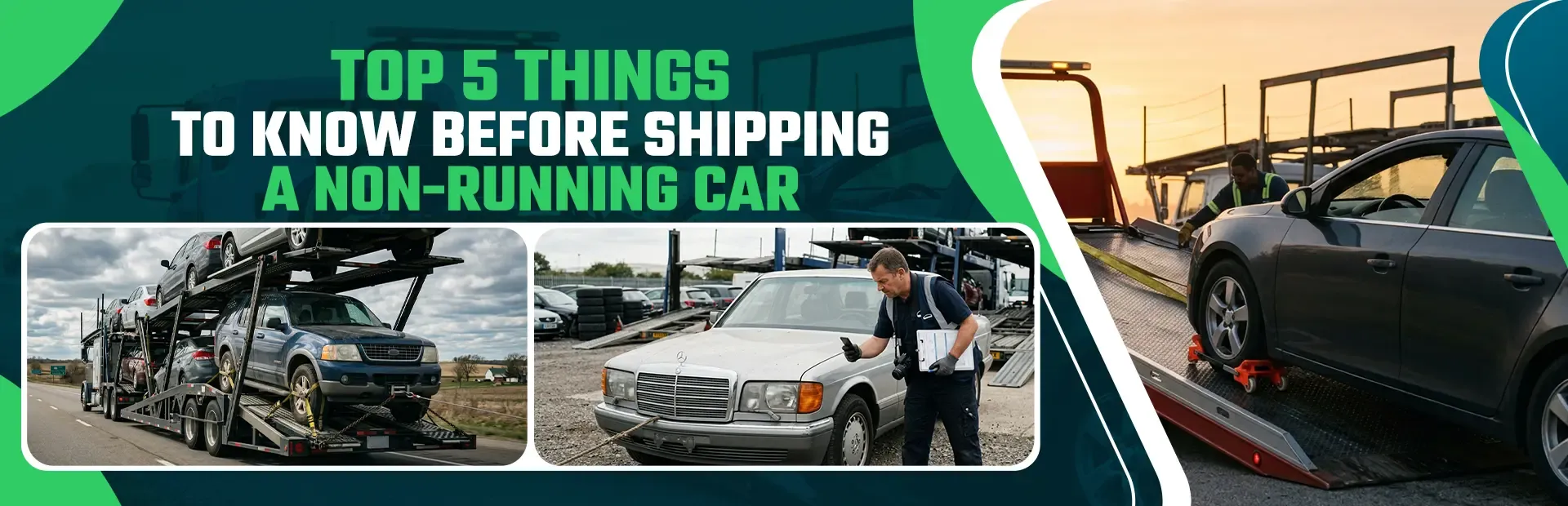
Imagine your car dies after a flood or a failed engine swap. You need shipping a non running car to a specialist, but the first quote you get is a shocker. Most people don't realize that the best way to ship a non running car involves much more than a standard trailer. When you need to how to ship a non-running car, you aren't just paying for space; you are paying for the specialized winches and labor required to ship a non running car safely.
This guide covers the five critical shifts that happen when you ship a non-running car, from cost spikes to prep. Whether you need to shipping a non-running car across town or transport non running car units across the country, knowing these details prevents expensive surprises.
According to Freightwaves Checkpoint 2026 Price Guide, Non-running vehicles typically cost between $150 and $300 more to ship than operable cars because carriers must use specialized loading equipment like winches or forklifts.
Need to move a vehicle that doesn’t start? Get a transparent, honest estimate for to ensure your non-runner is handled by the right pros.
Why Non-Running Cars Cost More to Ship and How Much More to Expect
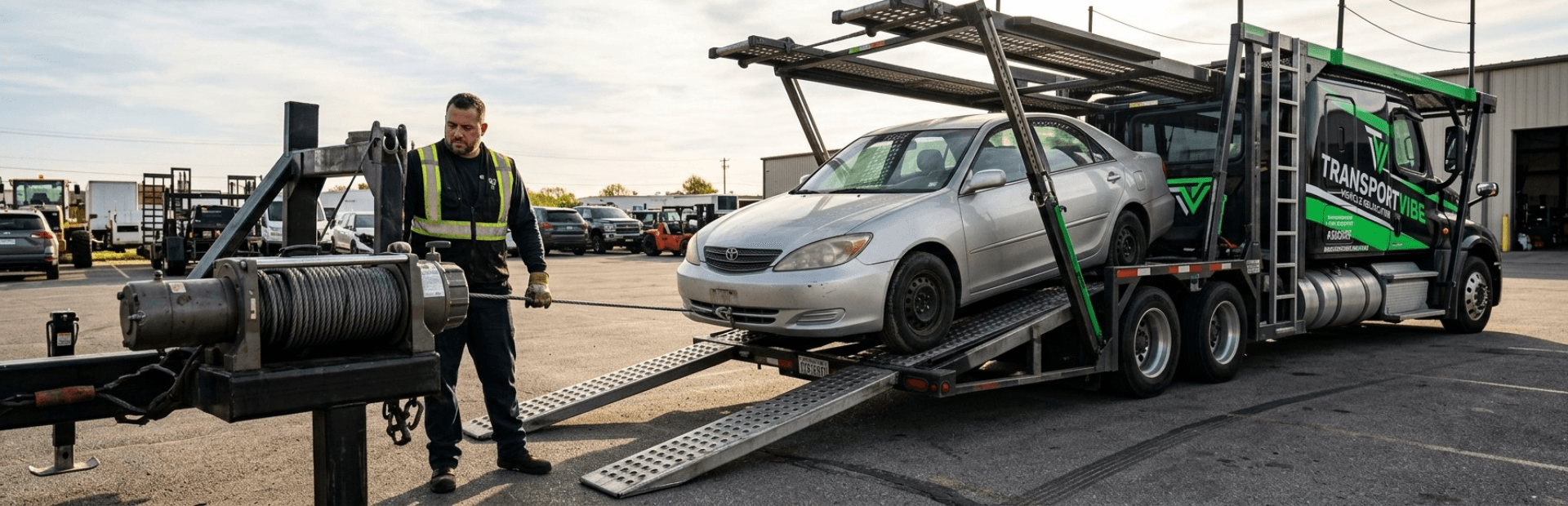
When you look for auto transport non running car services, the price jump usually stems from one thing: physics. A car that doesn't start can't drive up the ramp, so the driver becomes a rigger.
Carriers must use a heavy duty winch, specialized skates, or even a forklift to transport non running car units onto the trailer. This extra labor and equipment usage naturally drives up the invoice.
Running vs. Non-Running Cost Comparison (Estimated 2026 Rates)
|
Vehicle Type |
Short Haul (<500 miles) |
Long Haul (500+ miles) |
Notes |
|
Running Sedan |
$450 – $700 |
$900 – $1,300 |
Standard loading/unloading |
|
Non-Running Sedan |
$600 – $950 |
$1,100 – $1,600 |
Winch and extra labor required |
|
Running SUV/Truck |
$550 – $850 |
$1,100 – $1,500 |
Higher weight increases cost |
|
Non-Running SUV/Truck |
$750 – $1,100 |
$1,350 – $1,900 |
High labor intensity for heavy rigs |
Several variables determine how much you will pay for non running car transport. It isn't a flat fee because every mechanical failure creates a different logistical hurdle.
-
If the car rolls and steers, it’s much easier for a non running car transport interstate carrier to winch it up. If the wheels are locked, expect a significant surcharge.
-
Shorter trips often have higher "per mile" rates because the loading and unloading time remains the same regardless of the drive.
-
A heavy Ford F-150 that won't move is significantly more difficult to manage than a small Honda Civic.
-
Choosing between open vs. enclosed car shipping affects the price, as enclosed trailers often have more complex lift-gate systems for inoperable vehicles.
A car that rolls but can't start is cheaper to move than one that's completely immobile. Carriers charge differently based on how much manual work and specialized rigging is involved.
You should also check the FMCSA Company Data to ensure your chosen carrier is authorized for this type of heavy equipment work.
To get the most accurate non running car transport rate, you need to be brutally honest with the broker. Mention if the tires hold air or if the steering column is locked to avoid a price hike when the driver arrives.
If you aren't sure where to start, looking into how to choose the best auto transport service in the USA can save you from hiring a carrier that isn't equipped for the job.
Which Transportation Method Makes Sense for a Non-Running Car
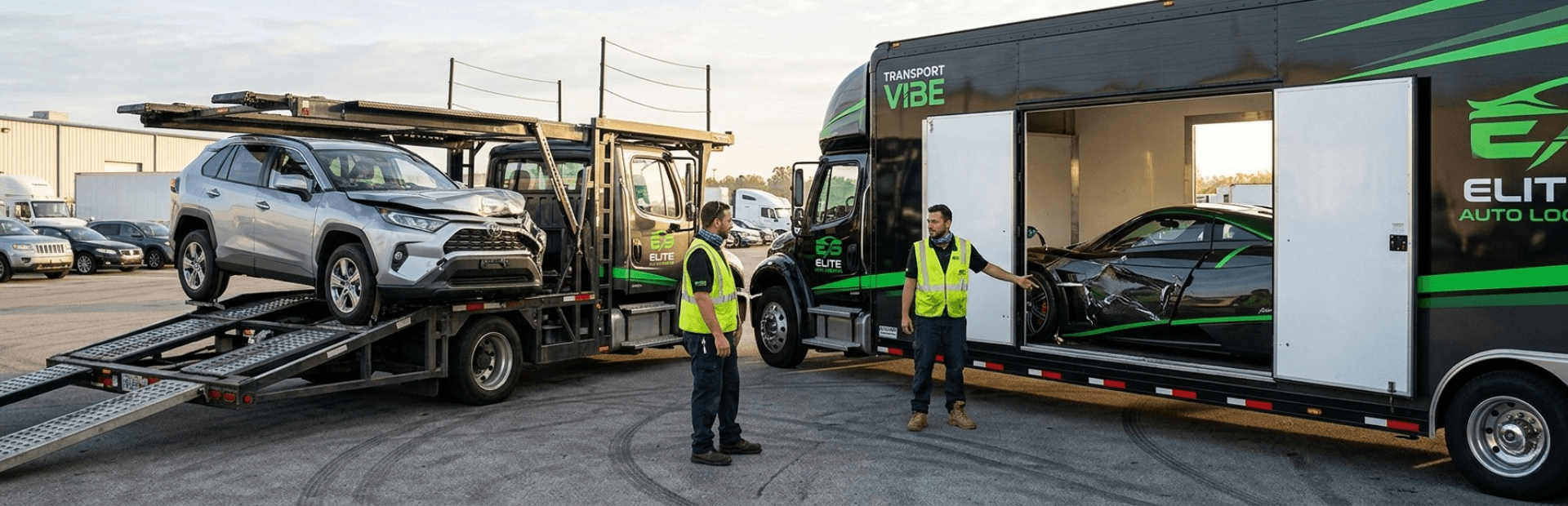
Most people defaulting to an auto transport non running car service go straight for an open carrier. It is the most common and budget friendly way to ship a non running car because these trailers are everywhere and cost significantly less.
However, if your vehicle is a high end restoration project or has a smashed window from an accident, an open trailer leaves it vulnerable to rain and road debris. In these cases, spending more to ship a non-running car in an enclosed trailer is a smart insurance policy for your investment.
|
Feature |
Open Carrier |
Enclosed Carrier |
|
Cost |
Most affordable |
40% – 60% higher |
|
Weather Protection |
Exposed to elements |
Fully sheltered |
|
Availability |
Very high |
Limited |
|
Best For |
Daily drivers, salvaged cars |
Classics, exotics, project cars |
|
Loading Method |
Winch or forklift |
Lift-gate or winch |
One detail you cannot afford to miss is equipment compatibility. Enclosed trailers have tighter spaces and fewer slots, and not every driver is prepared to transport non running car units that require winching.
Always verify that the specific truck assigned to your route has the mechanical tools to handle non running car transport interstate before you sign the contract. If you are debating the price gap, checking open vs. enclosed transport cost can help you decide if the added protection is worth it.
What "Fully Inoperable" Means to a Carrier
When you ask a pro how to transport a non running car, they will immediately ask about the "three pillars": rolling, steering, and braking. Carriers use the term "non-running" loosely, but the physical reality of the car's condition dictates the actual workload.
Each mechanical failure adds a layer of difficulty to the non running car transport process. Drivers categorize these obstacles to determine your final rate and the gear they need to bring along.
-
Rolls, Steers, and Brakes: This is the best way to ship a non running car if it simply has a dead engine. It is easy to winch and carries the lowest surcharge.
-
Rolls but won't Steer or Brake: This requires the driver to use "skates" or dollies to guide the car. It adds time and a moderate fee to the shipping a non-running car quote.
-
Completely Immobile: If the wheels are locked or the axle is snapped, the car is a "dead lift." This requires a heavy duty winch and represents the highest cost to transport non running cars.
Always tell the carrier exactly what the car can and can't do before booking. A mismatch between your description and the reality at pickup can lead to a canceled job and a lost deposit.
Before you commit, it is worth looking into how to ship a non-running vehicle: a step-by-step guide to ensure you haven't missed any prep steps. You can also verify a carrier's safety rating and authority via the FMCSA Company Data portal to ensure they are legitimate.
How to Prepare a Non-Running Car for Shipping
Preparation for shipping a non-running car is not the same as a standard handoff. You can't just drive it to a staging lot and toss the keys to the driver.
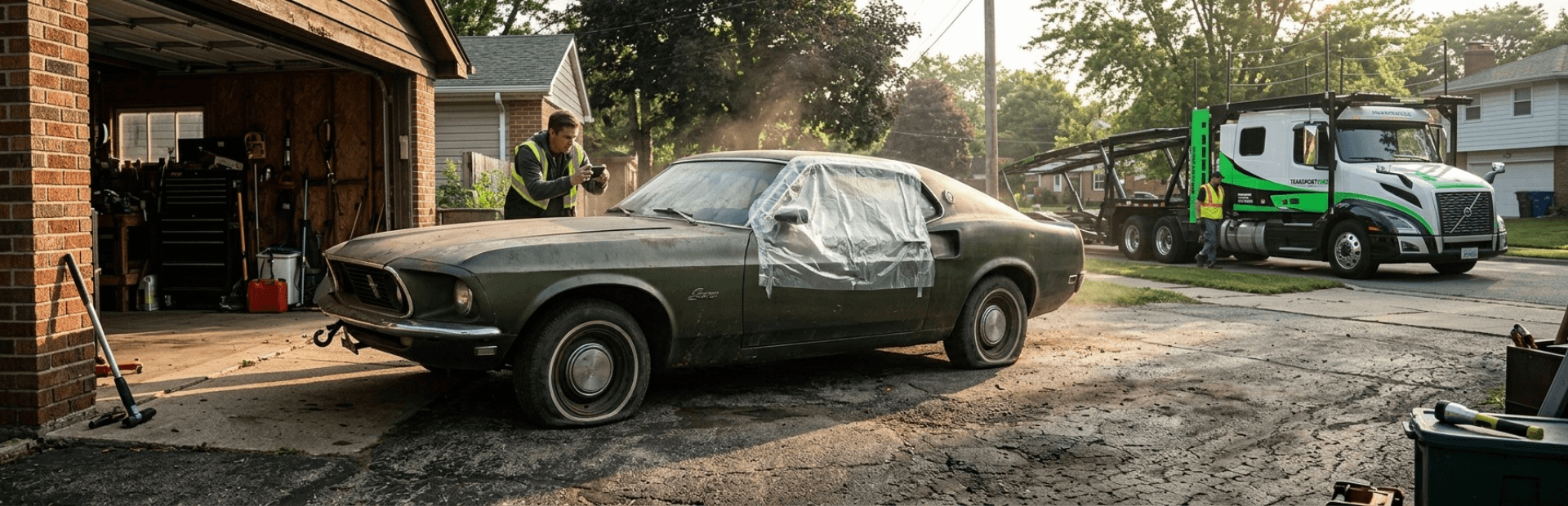
If your vehicle isn't ready when the truck pulls up, some carriers will refuse the pickup or charge a "dry run" fee. Logistics for how to ship a non-running car depend on the car being in the exact state the driver expects.
-
Fuel Levels: Drain or reduce the gas to a quarter tank. This reduces weight and minimizes fire risks during non running car transport.
-
Battery Power: If possible, charge the battery. Even a weak charge can help with steering or minor shifts needed to ship a non running car onto the ramp.
-
Brakes and Steering: Disengage the parking brake so the vehicle can be winched. Always confirm this with your carrier first to avoid a roll-away risk.
-
Personal Items: Empty the cabin. You must remove all personal items and loose parts before you ship a non-running car across state lines.
-
Documentation: Photograph every angle of the car, including the roof and undercarriage. This is vital for auto transport non running car insurance claims.
-
Exterior Parts: Secure or remove custom spoilers or loose trim that might catch the wind and fly off while you transport non running car units at highway speeds.
One thing most guides skip involves cabin integrity. If the car has a broken window or a missing sunroof, you need to tape heavy plastic over the gap.
Carriers aren't responsible for rain or road grime that enters an open cabin during non running car transport interstate hauls. Protecting the interior is your job, not theirs.
Carriers are not responsible for personal items left inside the car during transport. Remove them every time to avoid theft or damage that won't be covered by insurance.
Before the driver arrives, double check their credentials. You can look up a company's safety record and insurance status using the Check DOT and an MC number tool.
Documentation You Need Before the Car Leaves
Non-running cars often come with complex backstories, whether they are salvage title projects or part of an estate transfer. Because shipping a non-running car involves higher liability, your paperwork must be airtight before the truck arrives at your driveway.
Carriers and brokers will verify your authority to transport non running car units to prevent legal headaches down the road. Having these documents organized is the best way to ship a non running car without facing delays or pickup refusals.
-
Vehicle Title: You need the original title or a lien release if the car is financed.
-
Government-issued ID: A driver’s license or passport is required to verify ownership.
-
Bill of Lading (BOL): This is your primary legal contract; it records the vehicle's condition at the moment of handoff.
-
Insurance Proof: Ensure you have the carrier’s insurance certificate and your own policy details handy.
-
Lienholder Paperwork: If the vehicle has an active loan, ensure you have permission to ship a non-running car across state lines.
The Bill of Lading is the most critical piece of paper in the non running car transport process. You must read it carefully and ensure every existing dent or mechanical issue is documented before the driver hooks up the winch.
If you find fresh damage during delivery, the BOL is your only shield. It serves as the definitive record of what the auto transport non running car driver found at pickup versus what they delivered to your door.
Before signing off, you can double-check the carrier's legal standing through the FMCSA Company Data portal. This ensures the company is authorized to transport non running cars and has the proper bond in place.
Understanding how to ship a non-running car means knowing the legalities as well as the mechanics. For more details on protecting yourself, read our guide on car shipping insurance in the USA to see what is actually covered.
How to Find a Carrier That Actually Handles Non-Running Cars

The biggest mistake you can make is grabbing a generic quote and hoping for the best. Many standard carriers simply do not have the winches or skates needed to ship a non running car safely.
If you don't vet them, a driver might show up unprepared, leading to a canceled pickup and a massive headache. Knowing how to ship a non-running car starts with finding a team that owns the right rigging.
-
Ask Directly: Specifically ask if they are equipped to winch-load a fully immobile vehicle onto their trailer.
-
Verify Experience: Confirm they regularly transport non running car units, rather than just handling standard drives.
-
Check Licensing: Always verify the carrier's DOT and MC numbers via the Check DOT and an MC number portal.
-
Scan Reviews: Look for feedback specifically mentioning non running car transport or inoperable vehicle handling.
-
Claims Process: Ask about their specific damage claims process for winched vehicles before you commit to the shipping a non-running car cost.
Here is a solid difference between Broker vs. Direct Carrier for Non-Running Vehicles.
|
Factor |
Broker |
Direct Carrier |
|
Price |
Highly competitive |
Often fixed rates |
|
Control |
They pick the driver |
You talk to the driver |
|
Booking Speed |
Faster (large network) |
Slower (limited trucks) |
|
Accountability |
Mediates disputes |
Direct responsibility |
|
Best For |
Finding specialized gear |
Specific route reliability |
For a reliable auto transport non running car experience, consider reputable names like SGT Auto Transport or AmeriFreight. Both have extensive experience coordinating the best way to ship a non running car.
Using a broker isn't inherently bad—but make sure they confirm in writing that the assigned carrier is equipped for inoperable vehicle loading before you pay a deposit.
One overlooked resource is industry-specific Facebook groups and forums. Owners who have needed to transport non running cars often share which carriers were professional and which ones showed up without a winch.
Before you finalize your choice, it’s smart to look into 7 key factors for choosing the best vehicle shipper. Taking this extra step ensures your non running car transport interstate journey goes exactly as planned.
Expert Solutions for Your Inoperable Vehicle Queries
Navigating the world of automotive logistics can be tricky when your vehicle won't move on its own. These insights address the most common hurdles owners face when coordinating specialized transport for vehicles that are currently sidelined.
What Is The Best Way To Ship A Non-Running Car?
The best way to ship a non running car is to hire a specialized carrier that utilizes a heavy-duty winch or a lift-gate system. While open carriers are the most common choice for budget-conscious owners, an enclosed trailer offers superior protection if you need to ship a non-running car that is a classic or luxury restoration project.
How Much Does It Cost To Ship A Non-Running Car Compared To A Running One?
Typically, the shipping a non-running car cost is $150 to $300 higher than shipping an operable vehicle. This surcharge covers the extra labor time and specialized rigging equipment required to load the car. For a complete breakdown of 2026 market rates, you can check the FMCSA website for carrier fee regulations and safety standards.
Can You Ship A Non-Running Car Interstate?
Yes, you can absolutely transport non running car units across state lines, but you must ensure the carrier is licensed for long-haul inoperable transport. When arranging non running car transport interstate, it is vital to confirm that the driver has the equipment to unload the vehicle at the destination, especially in residential areas with limited space.
What Equipment Is Needed To Transport A Non-Running Car?
To transport non running cars effectively, carriers primarily use a power winch to pull the vehicle onto the ramp. If the tires are flat or the wheels are locked, the driver will also need "skates" or dollies to allow the vehicle to glide. In extreme cases, a forklift might be necessary, though this is usually reserved for salvage yards.
How Do I Prepare A Non-Running Vehicle For Auto Transport?
When learning how to ship a non-running car, preparation is everything. You should reduce the fuel to a quarter tank, remove all personal belongings, and ensure the tires hold air if possible. Additionally, checking how much does car shipping cost in the USA can help you budget for the necessary prep materials and carrier surcharges.
Are There Specific Companies That Specialize In Non-Running Car Transport?
Many auto transport non running car experts exist, but you must vet them carefully. Companies like SGT Auto Transport and AmeriFreight are well-known for their ability to source winch-equipped trailers. Always verify their authority using the FMCSA Company Data portal to confirm they are legitimately bonded to handle inoperable freight.
Taking the Stress Out of Moving Your Inoperable Vehicle
Successfully shipping a non-running car comes down to preparation rather than luck. By understanding the cost structure, choosing the right carrier, and handling your prep and paperwork early, you eliminate the surprises that usually plague non running car transport. Protecting yourself is as simple as asking the right questions before you commit to a contract.
Before you book, ensure you can accurately describe if your vehicle can roll, steer, or brake, and have your photos and ID ready. Getting quotes from at least three carriers to confirm winch capability is the best way to ship a non running car without a hitch. Transport non running cars with confidence knowing the extra steps are there to keep your investment safe.
Plan Your Transport with Confidence Moving a vehicle that doesn’t drive requires the right equipment and an honest estimate. You can explore our Get a Quote page to receive a transparent price for your specific auto transport non running car needs today.


