



Shipping a Car to Alaska or Hawaii: Unique Challenges

Shipping a Car to Alaska or Hawaii: Unique Challenges

Transportvibe
July 14, 2025
5 min read

Shipping a car to Alaska or Hawaii isn’t like shipping it to any other state in the continental U.S. The unique geography, logistics, and environmental factors of these states create challenges that every car buyer and owner should understand before planning their vehicle transport. Whether you’re relocating, buying a car from the mainland, or returning home after a visit, this guide will walk you through the specific hurdles and considerations involved in shipping a car to Alaska or Hawaii. By knowing what to expect, you can prepare better, avoid surprises, and make the entire process smoother and more affordable. Get Expert Advice with Transportvibe Find trusted reviews and compare quotes for shipping cars to Alaska and Hawaii. Request Your Free Shipping Quote Today Access carriers experienced with these unique routes.


Why Shipping a Car to Alaska or Hawaii Is Different

The geography and infrastructure of Alaska and Hawaii make car shipping fundamentally different from mainland U.S. auto transport.

Geographic Isolation

Alaska and Hawaii are separated from the continental U.S. by thousands of miles of ocean and/or rugged terrain. Unlike most states connected by interstate highways, these states rely on ocean and ferry transport.

  • Alaska: Situated in the far northwest, it’s accessible mainly by the Alaska Marine Highway ferry system or ocean barges.
  • Hawaii: A remote island chain in the middle of the Pacific Ocean requiring ocean freight for all vehicle shipments.

This isolation means traditional overland trucking routes cannot be used, and specialized shipping methods are necessary.

Limited Shipping Options and Schedules

Because of fewer carriers serving these routes and longer shipping times, availability is limited. You’ll often face longer wait times for shipping slots compared to the mainland.

Environmental Challenges

  • Alaska: Harsh winters, ice, and rough terrain can complicate deliveries and increase risk.
  • Hawaii: Ocean weather, tropical storms, and saltwater exposure are risks during transit.

Common Shipping Methods for Alaska and Hawaii

Shipping methods differ from typical car transport across the continental U.S.

1. Roll-On/Roll-Off (RoRo) Shipping

RoRo is the most common and cost-effective method for ocean vehicle transport to both Alaska and Hawaii.

  • Vehicles are driven onto specialized ships, secured, and driven off upon arrival.
  • Suitable for operational passenger cars, SUVs, and trucks.

2. Container Shipping

  • Cars are loaded into secure shipping containers, protecting them from weather and saltwater.
  • More expensive but recommended for classic, luxury, or non-operational vehicles.
  • Popular for Hawaii due to long ocean transit times.

3. Ferry and Barge Shipping (Alaska)

  • Alaska’s ferry system transports vehicles between coastal communities.
  • Barges serve smaller or more remote destinations not covered by ferries.

4. Air Freight (Rare)

  • Sometimes used for urgent or extremely valuable vehicles, but cost is very high.

Unique Logistical and Environmental Challenges

Limited Terminal Facilities

Ports in Alaska and Hawaii have fewer specialized facilities for vehicle handling compared to mainland ports, requiring careful scheduling and coordination.

Vehicle Condition Requirements

RoRo shipping requires vehicles to be operable. Non-running vehicles usually need container shipping, increasing cost and complexity.

Weather and Ocean Conditions

Rough seas and storms can delay shipments and increase the risk of salt damage.

Seasonal Weather Effects

  • Alaska’s winter conditions can cause delays and require additional precautions for loading and unloading.
  • Hawaii’s hurricane season (June to November) poses risk for ocean shipments.

How Pricing Compares to Mainland Auto Transport

Car shipping to Alaska or Hawaii is usually more expensive than shipping within the continental U.S., primarily due to:

  • Longer transit distances and shipping durations
  • Limited carrier availability and frequency
  • Specialized equipment and handling
  • Port fees unique to these states

Typical Cost Ranges

  • Shipping to Alaska often ranges from $1,200 to $3,000 depending on origin, vehicle size, and method.
  • Shipping to Hawaii generally costs between $1,500 and $4,000+ with container options driving higher prices.

Timing and Seasonal Considerations

Best Times to Ship

  • Alaska: Late spring to early fall avoids harsh winter weather that complicates transport.
  • Hawaii: Avoid shipping during hurricane season for fewer delays and risks.

Booking Early

Due to limited space and scheduled departures, it’s best to book your shipment 4–6 weeks in advance.


Preparing Your Vehicle for Shipping to Alaska or Hawaii

Clean and Inspect Your Vehicle

Wash to remove dirt and salt. Take detailed photos documenting the condition before shipping.

Remove Personal Items

Most shippers prohibit personal belongings inside vehicles during transit.

Check Vehicle Fluids and Battery

Ensure fluids are topped and battery is charged. Disconnect alarms if necessary.

Tire Pressure and Locks

Inflate tires to recommended pressure. Disable alarms and provide access instructions to drivers.


Insurance and Liability

  • Confirm what insurance coverage your carrier or broker provides for shipments to Alaska or Hawaii.
  • Consider purchasing supplemental insurance for high-value vehicles.
  • Understand claims process and liability limits before shipping.

Choosing the Right Auto Transport Company

  • Choose companies with proven experience shipping to Alaska and Hawaii.
  • Verify licenses, insurance, and positive reviews.
  • Use Transportvibe to compare trusted brokers and carriers servicing these unique routes.

Frequently Asked Questions (FAQs)

Q: How long does shipping to Hawaii take? A: Usually 7–14 days by ocean freight. Q: Are non-operational vehicles shipped differently? A: Yes, usually via container shipping or specialized equipment. Q: What is the cost to ship a car to Alaska? A: Typically ranges from $1,200 to $3,000 depending on vehicle and origin.


Additional Resources


Final Thoughts

Shipping a car to Alaska or Hawaii demands extra preparation and understanding of unique challenges. With careful planning, timely booking, and choosing the right carrier, your vehicle can arrive safely and on time despite the distance and logistical hurdles.

Related articles

JUL 16, 2025
Your Rights if a Car Shipping Company Cancels Last Minute

Your Rights if a Car Shipping Company Cancels Last Minute

TRANSPORTVIBE

Shipping a car can be a stressful process, and one of the most frustrating setbacks you might face is a last-minute cancellation by your chosen car shipping company. Whether you're moving across the country, purchasing a vehicle online, or sending a classic car for restoration, a sudden cancellation disrupts your plans, may lead to financial losses, and leaves you scrambling to find alternatives. At Transportvibe , the leading trusted review platform for car shipping companies, we understand how important it is to work with reliable carriers. Knowing your rights and how to respond when a car shipping company cancels last minute is vital to protect yourself and your vehicle. This comprehensive guide covers your legal protections, practical steps after cancellation, how to seek refunds or compensation, and how Transportvibe can help you avoid such situations by finding dependable shipping partners. Why Car Shipping Companies Cancel Last Minute Last-minute cancellations can happen for many reasons, including: Capacity and Overbooking Issues: Sometimes, companies accept more bookings than they can handle or lose carriers available for a particular route. Severe Weather and Natural Disasters: Hurricanes, snowstorms, floods, or road closures may force carriers to cancel shipments for safety. Vehicle Condition Problems: If the vehicle isn't operable or properly prepared for shipping (e.g., leaks, poor battery), carriers may refuse last minute. Documentation and Compliance Issues: Missing, incorrect, or incomplete paperwork can cause a shipment to be rejected. Operational and Financial Challenges: Companies experiencing cash flow issues, labor shortages, or equipment failures may cancel orders unexpectedly. Logistics and Route Changes: Changes in route availability or last-minute mechanical issues with transport vehicles can force cancellations. Recognizing these reasons helps you understand when a cancellation might be unavoidable versus negligence. Transportvibe reviews can help you identify companies with a solid track record to minimize such risks. Your Legal Rights as a Customer Your rights depend on federal regulations, state laws, and the contract you signed with the car shipping company. Federal Regulations The Federal Motor Carrier Safety Administration (FMCSA) regulates interstate auto transport companies. The FMCSA mandates that carriers and brokers operate with proper licensing and adhere to fair business practices. Customers are entitled to: Accurate information before booking Clear communication about cancellations Refunds for services not rendered Protection from deceptive practices Learn more at the official FMCSA website . State Consumer Protection Laws Many states have additional laws protecting consumers against unfair contract terms and require timely refunds. Check with your state's attorney general or consumer protection office for details. Contractual Rights Your signed contract or bill of lading should clearly outline: Cancellation notice requirements Refund and cancellation fee policies Force majeure clauses (excusing performance under certain conditions) Dispute resolution mechanisms (arbitration, small claims court) If the company violates these terms by cancelling without notice or refusing refunds, you have a strong case. Understanding Your Contract and Cancellation Policies Before booking any car shipment, carefully review your contract. Here’s what to look for: Cancellation Clauses: What is the required notice? Can either party cancel without penalty? Are last-minute cancellations addressed? Refund Policies: Are deposits refundable? Are full payments reimbursed on cancellation? Force Majeure: Does the contract allow cancellations without refund during extreme weather or other uncontrollable events? Liability Limits: What compensation, if any, is offered for cancellations or delays? Broker vs Carrier Responsibilities: If you booked through a broker, who handles cancellations and refunds? Keep all signed contracts and related communications for evidence if needed. Immediate Steps to Take After a Cancellation If your car shipping company cancels last minute: Request Written Confirmation: Ask for cancellation confirmation by email or letter, including reasons and refund information. Review Your Contract: Check cancellation terms and refund rights. Document Communications: Record dates, times, names, and content of all conversations or messages. Request Refund or Credit: If payment was made, demand prompt reimbursement as per contract. Seek Alternative Shipping Options: Use platforms like Transportvibe to quickly find new quotes from trusted carriers. Notify Your Insurance Provider: If insurance coverage is affected by the delay or cancellation, inform your insurer immediately. Acting quickly helps reduce disruption and protects your rights. Requesting Refunds, Compensation, and Rescheduling Refunds: Politely but firmly demand a refund for prepaid amounts if the cancellation was without sufficient notice. Compensation: If you incurred extra expenses (e.g., hotel stays, rental cars, alternative shipping), document and request compensation. Rescheduling: Ask for a new shipping date without extra fees if you want to keep the same carrier. Escalate If Needed: If the company refuses refunds or compensation, file complaints with the FMCSA, Better Business Bureau ( BBB ), or your state consumer protection office. Knowing how to negotiate effectively helps you recover losses. How to Avoid Last-Minute Cancellations: Choosing Reliable Car Shipping Companies Use these tips to pick trustworthy carriers: Check Verified Reviews on Transportvibe: Read real customer feedback about punctuality and cancellation history. Verify Licenses and Insurance: Use the FMCSA’s SAFER system to confirm carrier credentials. Compare Multiple Quotes: Use Transportvibe’s free quote tool to compare policies and pricing. Ask About Cancellation Policies Upfront: Confirm notice requirements and refund terms before booking. Book Early: Secure your shipping slot in advance to reduce last-minute issues. Avoid Suspiciously Low Quotes: Extremely cheap offers can be red flags for unreliable service. Handling Extra Costs Due to Cancellations Unexpected cancellations can lead to out-of-pocket expenses. To protect yourself: Save All Receipts: Document costs like alternate transport, lodging, or storage. Use Contract Terms for Claims: Reference your contract and communications when requesting reimbursement. Consider Shipping Insurance: Policies may cover cancellation-related expenses. Contact Consumer Agencies: File complaints if companies refuse to compensate fairly. Being organized and informed maximizes your chances of recovery. The Role of Transportvibe in Protecting You Transportvibe is America’s trusted review platform exclusively for car shipping services. Here’s how we help: Verified Customer Reviews: Access honest feedback to avoid companies with frequent cancellations. Licensed Broker and Carrier Listings: Confirm safety and legitimacy. Easy Quote Comparisons: Quickly find carriers with transparent policies and good reputations. Expert Advice: Guidance on contracts, rights, and dispute resolution. Visit Transportvibe.com to start your car shipping journey with confidence. Frequently Asked Questions (FAQs) Q1: Can a car shipping company cancel last minute without refund? A: Usually, no. If your contract requires notice and refund on cancellation, you can demand repayment. However, force majeure events may allow some exceptions. Q2: How much notice should a company give before canceling? A: While no federal standard exists, several days’ notice is considered reasonable. Last-minute cancellations may violate your contract. Q3: If I booked through a broker and the carrier cancels, who is responsible? A: Brokers manage carrier cancellations and should offer alternatives or refunds. Q4: Can I get compensation for additional costs caused by cancellation? A: Yes, if you have proof of expenses and your contract or law supports compensation. Q5: How can I avoid last-minute cancellations? A: Book early, check reviews on Transportvibe, verify credentials, and ask about cancellation policies upfront. Q6: What if the company refuses to refund or compensate me? A: File complaints with the FMCSA, BBB, or consumer protection agencies; legal action is a last resort. Resources for Further Help and Information Internal Transportvibe Resources Car Shipping Tips and Guides Compare Quotes for Reliable Car Shipping Verified Car Shipping Company Reviews How to Choose the Right Auto Transport Company External Consumer Protection Resources Federal Motor Carrier Safety Administration (FMCSA): https://www.fmcsa.dot.gov/protect-your-move Better Business Bureau (BBB): https://www.bbb.org/ Consumer Financial Protection Bureau (CFPB) Auto Transport Complaints: https://www.consumerfinance.gov/complaint/ SAFER System for Carrier Verification: https://safer.fmcsa.dot.gov/ Final Thoughts Last-minute cancellations by car shipping companies are a major inconvenience, but understanding your rights and knowing how to respond can save you time, money, and stress. Use Transportvibe to research reputable companies, review your contract terms carefully, and keep thorough documentation. With these tools, you’ll be better equipped to protect yourself and ensure your vehicle shipment goes smoothly.

JUL 14, 2025
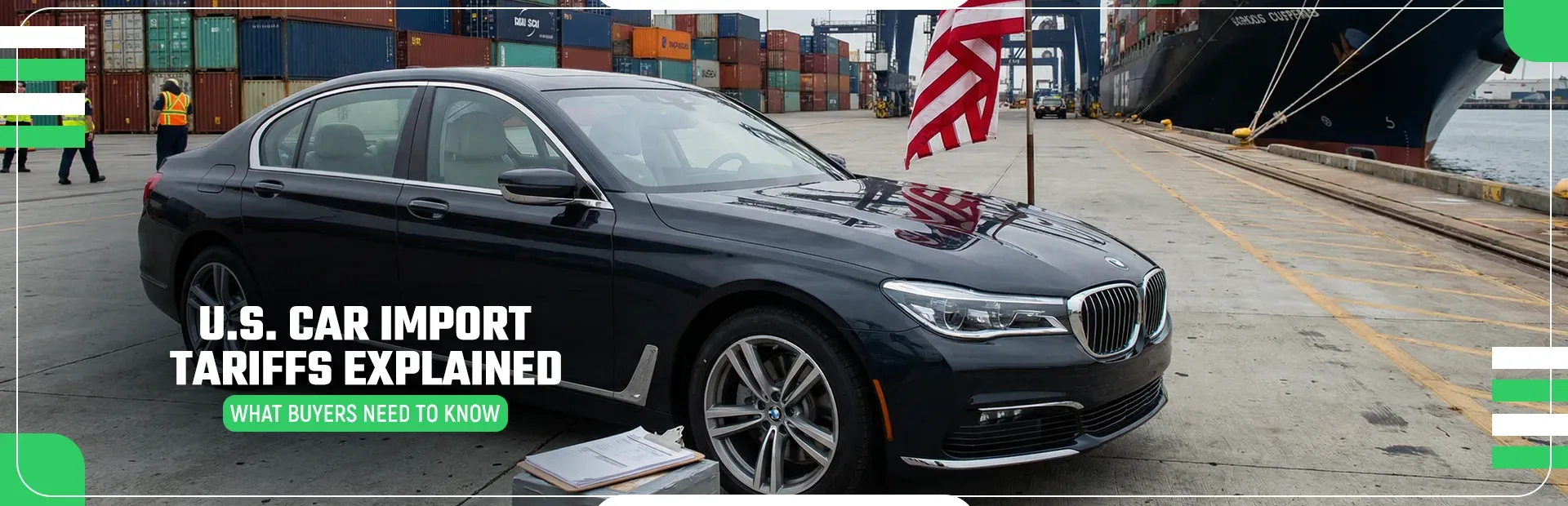
What U.S. Car Buyers Need to Know About Import Tariffs

What U.S. Car Buyers Need to Know About Import Tariffs

TRANSPORTVIBE

Import tariffs can significantly influence the total cost and availability of imported vehicles for buyers in the United States. If you're considering purchasing an imported car—whether it’s a brand-new model from overseas or a classic collector’s vehicle—understanding how import tariffs work is essential for making an informed, cost-effective decision. This comprehensive guide breaks down everything U.S. car buyers need to know about import tariffs, including how they are calculated, their historical background, exemptions, and practical strategies to manage or minimize costs. Introduction to Import Tariffs on Vehicles Import tariffs—also called customs duties—are taxes imposed on goods, including automobiles, brought into the United States from other countries. For vehicles, tariffs are designed to protect domestic automakers from foreign competition by increasing the cost of imported cars. While tariffs protect the U.S. auto industry, they also affect consumers by increasing the purchase price of imported vehicles. These costs can range from a few hundred to several thousand dollars depending on the vehicle type and origin. Understanding import tariffs helps buyers anticipate the full cost of an imported car and decide whether it’s the right choice financially. Historical Context of U.S. Car Import Tariffs The U.S. has a long history of protecting its automotive industry through tariffs and trade policies: 1930s Smoot-Hawley Tariff Act: Imposed high tariffs on many imported goods, including vehicles, aiming to protect American jobs during the Great Depression. 1960s-1980s: Rising imports of Japanese cars led to increased tariffs and voluntary export restraints to protect domestic automakers. 1994 NAFTA (now USMCA): Established lower tariffs and trade rules between the U.S., Mexico, and Canada, allowing cars to move duty-free if they meet content rules. Recent Trade Tensions: The Trump administration considered tariffs on imported vehicles citing national security concerns, though these were postponed or modified. This historical backdrop explains why tariffs remain a key factor in car pricing and trade negotiations. How U.S. Import Tariffs Are Calculated Today Current U.S. import tariffs on vehicles primarily depend on: a) Vehicle Classification Passenger Cars: Usually subject to a 2.5% tariff on the car’s value. Light Trucks & SUVs: Face a much higher tariff of 25%, significantly affecting imports of these popular vehicle types. Motorcycles: Tariffs vary from 0% to 6.4% depending on engine displacement. b) Customs Value The tariff is applied as a percentage of the vehicle’s customs value, which typically includes the purchase price plus shipping and insurance costs. c) Country of Origin Vehicles imported from countries with trade agreements, such as Canada or Mexico, may be eligible for reduced or zero tariffs if they meet specific rules. Trade Agreements and Their Impact on Tariffs Trade agreements can significantly reduce or eliminate tariffs on vehicles: USMCA (United States-Mexico-Canada Agreement): Cars assembled in Mexico or Canada that meet regional content rules can enter the U.S. duty-free. KORUS (U.S.-South Korea Free Trade Agreement): Reduces tariffs on certain South Korean-made vehicles. Other Agreements: Limited tariffs or exemptions exist for vehicles from Australia, Chile, and other trade partners. These agreements create opportunities for buyers to save on tariffs by choosing cars from eligible countries. Which Vehicles Are Affected (New, Used, EVs, Classics) New Vehicles Most new imported cars and light trucks are subject to the full tariff unless they qualify under trade agreements. Used Vehicles Used imports face additional challenges: They must comply with U.S. safety and emissions standards. Tariffs may still apply based on value and age. Importing used vehicles can incur extra fees for modifications and inspections. Electric Vehicles (EVs) The Biden administration promotes EVs, offering potential tariff exemptions to encourage cleaner transportation. Classic and Antique Cars Classic cars over 25 years old may be eligible for reduced tariffs and relaxed import regulations, benefiting collectors. Tariffs vs Other Import-Related Costs and Fees Import tariffs are only part of the total cost: Gas Guzzler Tax: Applies to inefficient vehicles. Excise Taxes: On large engine vehicles. Customs Processing Fees: Administrative costs. Shipping and Insurance: Freight charges to transport vehicles to U.S. ports. State Registration Fees: Vary by state. It’s critical for buyers to calculate total landed cost when importing a vehicle. How Tariffs Affect Car Prices and Buyer Choices Tariffs can increase car prices substantially, influencing: Final Sale Price: Importers usually pass tariff costs to buyers. Vehicle Availability: Some models may not be imported due to high tariffs. Buyer Preferences: Tariffs may push buyers toward domestic or tariff-exempt vehicles. Used vs New Import Decisions: Tariffs and compliance costs weigh heavily on used imports. Understanding tariff impact helps buyers make better financial decisions. Strategic Ways to Reduce Import Tariff Impact Import From Trade Agreement Countries Prioritize vehicles assembled in USMCA or other FTA partner countries. Choose Tariff-Exempt Vehicles Look for electric or classic cars qualifying for exemptions. Use Import Brokers and Specialists Leverage experts who understand tariff classifications and compliance. Time Your Purchase Stay informed on policy changes that might reduce tariffs. Calculate Total Cost of Ownership Consider all costs—tariffs, shipping, modifications, taxes—before buying. Compliance and Legal Considerations for Importing Cars Compliance with U.S. regulations is mandatory: Meet NHTSA safety standards. Adhere to EPA emissions requirements. Submit accurate documentation to U.S. Customs . Provide necessary bonds and insurance . Failure to comply can result in seizure or fines. Future Trends in U.S. Tariffs and Auto Trade Policies Increasing incentives for electric vehicles. Potential changes to USMCA or new trade deals. Domestic manufacturing policies influencing tariffs. Geopolitical shifts affecting global supply chains. Stay updated to optimize buying strategies. Frequently Asked Questions (FAQs) Q: How much are import tariffs on cars in the U.S.? A: 2.5% on passenger cars, 25% on light trucks, with variations based on origin. Q: Are electric vehicles exempt from import tariffs? A: Some EVs may qualify for exemptions. Q: Can I import a used car to the U.S.? A: Yes, but compliance and tariffs apply. Q: How do tariffs affect car prices? A: They increase import costs, raising sale prices. Q: Where to find official tariff info? A: U.S. Customs and Border Protection website. Resources for U.S. Car Buyers U.S. Customs and Border Protection (CBP) National Highway Traffic Safety Administration (NHTSA) Environmental Protection Agency (EPA) USMCA Agreement details Transportvibe’s guides on Classic , Luxury , Military Vehicle Shipping Final Thoughts Import tariffs play a critical role in determining the cost and availability of imported vehicles in the U.S. Being informed about tariffs , trade agreements, and compliance will help you make smarter, more cost-effective car buying decisions.