


Best Time of Year to Ship a Car in the USA (and How to Save Money)

Best Time of Year to Ship a Car in the USA (and How to Save Money)

Transportvibe
May 14, 2025
5 min read

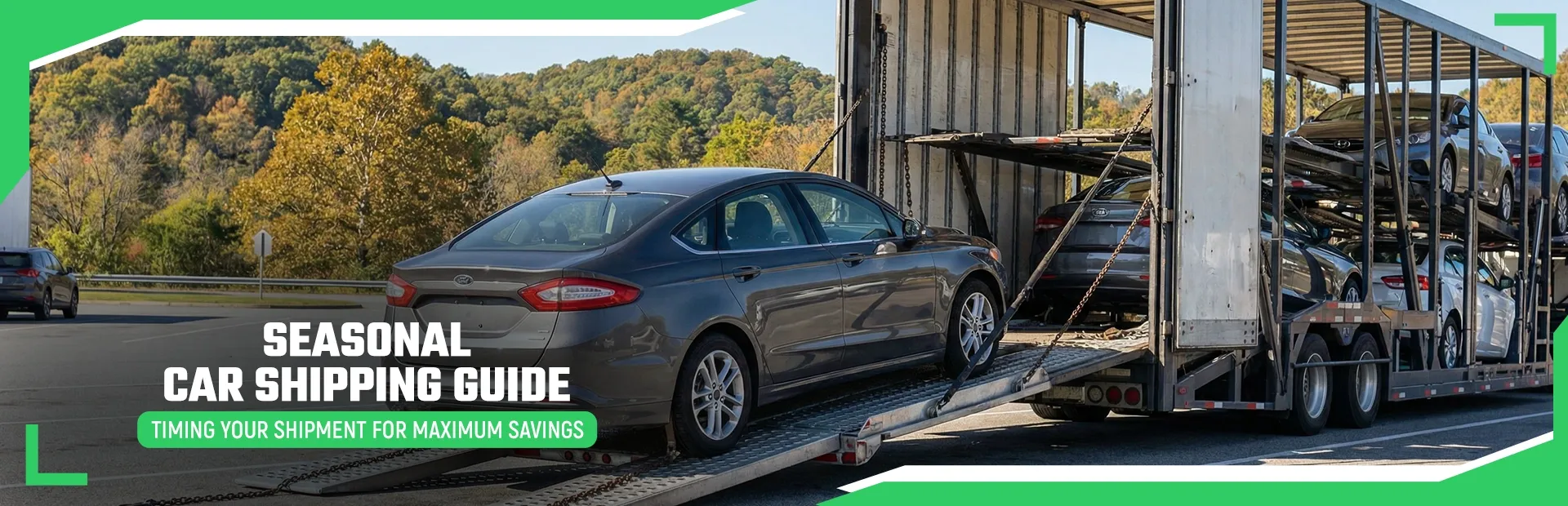
Shipping a car across the United States can be a smooth experience when timed right. Seasonal demand, weather patterns, fuel prices, and carrier availability all impact the cost and convenience of car shipping. In this comprehensive guide, we’ll explore the best times of the year to ship a car, how each season affects the process, and the best strategies to save money while ensuring your vehicle arrives safely and on time.

Seasonal Overview: When Is the Best Time to Ship a Car?

Each season presents unique advantages and challenges for auto transport. Here's a breakdown:

Winter (December to February)

  • Pros: Lower demand can lead to better pricing; fewer shipments overall.
  • Cons: Weather delays due to snow and ice, especially in northern and midwestern states; limited carrier availability in certain regions.
  • Best For: Snowbirds relocating to Florida, Arizona, or California; people with flexible timelines who want to avoid peak pricing.

Spring (March to May)

  • Pros: Mild weather improves delivery reliability; moderate demand keeps pricing reasonable.
  • Cons: Prices begin to rise heading into summer.
  • Best For: First-time shippers, students moving for college, military relocations.

Summer (June to August)

  • Pros: High availability of carriers; fast scheduling and broad coverage.
  • Cons: Peak season pricing due to high demand; competition for booking slots.
  • Best For: Urgent moves, long-distance relocations, and returning snowbirds.

Fall (September to November)

  • Pros: Demand decreases after summer; carriers offer more flexible pricing; great weather conditions for transport.
  • Cons: Carrier supply starts to decline as holidays approach.
  • Best For: Budget-minded shippers, college students returning home, used car purchases.

How to Save Money When Shipping a Car

Saving on car shipping requires a bit of strategy. Use these expert tips:

  1. Be Flexible with Pickup & Delivery DatesFlexible dates allow brokers and carriers to optimize route planning and offer better deals.
  2. Choose Open Carrier TransportOpen transport is typically 30–50% less expensive than enclosed options and still safe for most vehicles.
  3. Avoid Peak Shipping TimesSkip late spring through summer and the holiday season to avoid rate spikes.
  4. Book Your Shipment in AdvanceBooking 2–4 weeks ahead gives you better access to affordable rates and reliable carriers.
  5. Compare Quotes from Multiple ProvidersDon’t settle for the first offer—use comparison tools or marketplaces to get 3–5 quotes.
  6. Use Terminal-to-Terminal ShippingIf convenience is not a top concern, this option can save you money in areas where terminals are available.
  7. Ship During Shoulder SeasonsMid-fall (October–November) and early spring (March–April) typically offer the best rates.
  8. Avoid Last-Minute BookingsEmergency or same-week requests cost significantly more.
  9. Ask About DiscountsSome companies offer deals for students, military personnel, multiple vehicles, or repeat customers.
  10. Work with a Licensed BrokerReputable brokers help you find competitive rates from vetted and insured carriers.

Cost Range by Season (Estimates)

Season Estimated Cost (Cross-Country, Sedan)
Winter $900 – $1,300
Spring $1,000 – $1,400
Summer $1,200 – $1,600
Fall $950 – $1,300

These estimates are based on coast-to-coast shipments. Prices may vary based on distance, fuel costs, carrier type, and vehicle condition.

Best Shipping Times by U.S. Region

  • Northeast: Avoid shipping during snow-heavy months. Spring and fall are ideal due to moderate weather.
  • Midwest: Similar to the Northeast. Watch for icy roads and shipping delays in winter.
  • South: Shippable year-round, though pricing rises in winter due to snowbird demand.
  • West Coast: Milder weather offers more flexibility; spring and fall remain optimal.

Enclosed vs. Open Transport Timing Considerations

  • Enclosed Transport: Best in winter to protect luxury or classic vehicles from snow and road debris.
  • Open Transport: Works well in spring, summer, and fall when weather conditions are mild.

Common Seasonal Routes

  • Snowbird Routes: From New York/New Jersey/Pennsylvania to Florida or Arizona (peak activity in November and April).
  • College Town Moves: Summer and early fall (August–September) see high student relocation volume.
  • Auto Auction & Dealership Routes: Operate year-round but spike ahead of fiscal quarters.

What Affects Pricing Regardless of Season?

Beyond seasons, other pricing factors include:

  • Distance: Cross-country costs more than regional moves.
  • Vehicle Type: Larger vehicles like SUVs or trucks cost more to ship.
  • Vehicle Condition: Non-operational cars require special equipment.
  • Pickup/Dropoff Location: Rural areas may cost more due to limited carrier access.

Pro Tips for Smooth Shipping

  • Inspect Your Vehicle Before and After Shipment
  • Take Photos of Vehicle Condition for Documentation
  • Remove Personal Items and Disable Alarms
  • Ensure Insurance Coverage is Verified in Writing
  • Ask for the Carrier’s USDOT and MC Number

Final Thoughts

The best time to ship a car in the USA depends on balancing timing, budget, and risk tolerance. If you're looking to save money, the best periods are October through early December and late February through April. These shoulder seasons offer fewer weather disruptions and lower pricing. If timing is more important than budget, summer provides the fastest booking and delivery options—just be prepared for higher costs. No matter when you ship, planning ahead and working with reliable companies can reduce risk and expense. Visit Transportvibe to explore vetted auto transport providers, compare quotes, and find answers to all your car shipping questions.
Related articles

MAY 14, 2025
Enclosed vs Open Carrier Costs: Is It Worth Paying More?

Enclosed vs Open Carrier Costs: Is It Worth Paying More?

TRANSPORTVIBE

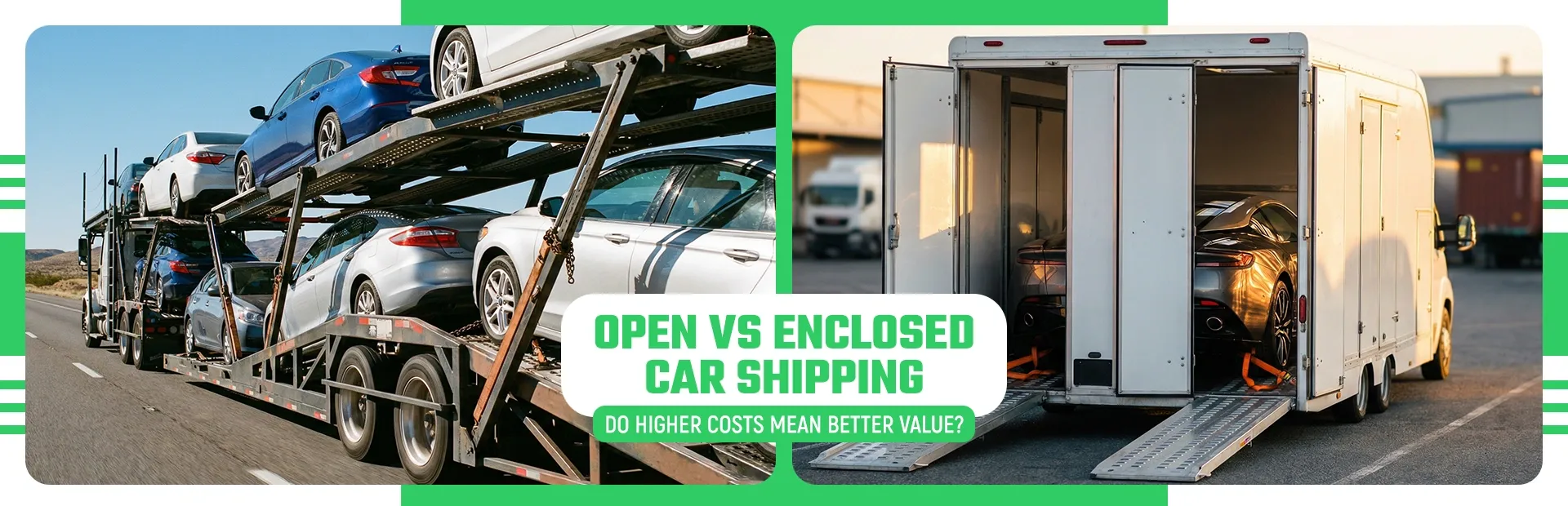
When shipping a vehicle, one of the biggest decisions you'll make is choosing between open carrier auto transport and enclosed auto transport . While both are widely used across the U.S. for car shipping , they come with distinct differences in pricing, protection, and practicality. This guide by Transportvibe —a trusted leader in auto transport reviews—is designed to help you make a smarter, more informed decision. We provide real comparisons, verified reviews, and car shipping insights to help you confidently choose the right shipping method. What is Open Carrier Transport? Open carrier shipping is the most common and cost-effective method of auto transport. Cars are loaded onto an open-air trailer, usually holding 7–10 vehicles. These trucks are the same kind you often see on highways delivering new cars to dealerships. Pros: Most affordable vehicle shipping method Widely available across all U.S. regions Faster scheduling and pickup times Suitable for most standard vehicles Cons: Exposure to weather, dust, and road debris Higher risk of minor cosmetic damage (e.g., rock chips) Not ideal for luxury vehicle shipping or classic car transport What is Enclosed Carrier Transport? Enclosed car shipping involves placing your vehicle inside a covered trailer—either soft-sided or hard-sided—offering maximum protection. These carriers typically transport 1–6 vehicles at a time. Pros: Complete protection from weather and debris Better security and privacy Ideal for luxury car shipping , exotic cars , or collector vehicles Often includes white-glove service Cons: More expensive (30% to 60% higher than open transport) Fewer carriers offer this premium option May take longer to schedule Cost Comparison: Open vs. Enclosed Transport Route (Example) Open Transport Enclosed Transport NY to LA (Sedan) $1,100 $1,600–$1,800 FL to TX (SUV) $950 $1,400–$1,600 IL to AZ (Luxury Car) $1,050 $1,500–$1,700 Note: Rates vary depending on season, carrier, route, and vehicle type. When Is Enclosed Car Shipping Worth It? You should consider enclosed transport if: You own a vehicle valued over $50,000 You're shipping a classic car , antique car , or vintage vehicle Your vehicle has custom modifications You're concerned about weather or road conditions You're attending a car show or exhibit When Open Transport Makes More Sense Open auto transport is the smart choice when: You're shipping a standard sedan, SUV, or truck You're on a budget You’re not concerned about minor cosmetic exposure You need quicker pickup times Weather Considerations for Car Shipping Enclosed carriers are especially helpful during: Winter car transport: Protection from snow, salt, and ice Spring pollen season: Keeps paint clean Heavy rain or hail seasons: Prevents water or hail damage Timing & Availability Open carriers: Easier to book on short notice Enclosed carriers: Require more lead time due to limited availability Insurance Coverage Differences Most open carriers carry $100,000 to $150,000 in cargo insurance per load Enclosed carriers often provide $250,000 to $500,000+ per vehicle Ask for proof of insurance and coverage details before booking your car shipping service Customer Experience & Service Quality Enclosed transport often includes: Fewer vehicle transfers Door-to-door car shipping Professional loading and strapping Real-time tracking and personalized support Open transport services may: Include terminal drop-off/pickup Offer less personalized support Load/unload vehicles more frequently along the route Final Cost Factors to Consider in Auto Transport Distance: The farther the destination, the greater the price gap between open and enclosed. Vehicle Value: More expensive vehicles benefit more from enclosed shipping. Urgency: Expedited enclosed shipping can cost double the regular price. Season: Summer and winter are peak periods; enclosed pricing rises faster than open during these times. Route Popularity: Rural or less-traveled routes may have fewer enclosed options. Tips for Choosing the Right Car Shipping Option Know your vehicle’s value and factor in emotional as well as financial cost. Get quotes for both open and enclosed car shipping to understand the cost difference. Check carrier reputation , licensing, and reviews (look for MC and USDOT numbers). Use Transportvibe to find vetted, FMCSA-compliant auto transport carriers. Real Customer Scenarios Scenario 1: “I’m moving my 2017 Toyota Camry from Chicago to Miami. I don’t need enclosed.” ✅ Use open transport. Scenario 2: “I’m relocating a 1969 Mustang for a car show in Las Vegas.” ✅ Use enclosed transport. Scenario 3: “My Tesla Model S is going from California to New York in January.” ✅ Enclosed recommended for protection from winter hazards. Scenario 4: “I have a 2015 Honda Civic and need cheap, fast delivery to Texas.” ✅ Open transport is your best bet. Expert Insight on Auto Shipping Services At Transportvibe , we understand that not all car shipping decisions are about price alone. We’re a dedicated platform built to help customers across the U.S. compare auto transport companies , read verified reviews, and choose the shipping solution that’s best for their needs. While e nclosed auto transport comes at a premium, it offers priceless peace of mind for high-value or specialty vehicles. For everyday cars, open transport is the go-to option for affordability and efficiency. If you're unsure which method is best, contact multiple providers and review your priorities: cost, vehicle type, timing, and protection level . Conclusion: Is Enclosed Transport Worth It? Yes—if your car is valuable, vulnerable, or sentimental. Otherwise, open carrier auto transport gets the job done safely and at a better price point for most everyday vehicle needs. When deciding between enclosed vs. open car shipping , always consider what matters most: protection, timing, or price. In either case, the most important choice you make is choosing a reputable and insured car shipping company . Use Transportvibe to explore both options, compare quotes, and read verified reviews to make your decision with confidence. We’re here to drive the truth in auto transport reviews.

MAY 12, 2025
Latest Auto Transport Trends in the USA: What's Changing in 2024

Latest Auto Transport Trends in the USA: What's Changing in 2024

TRANSPORTVIBE

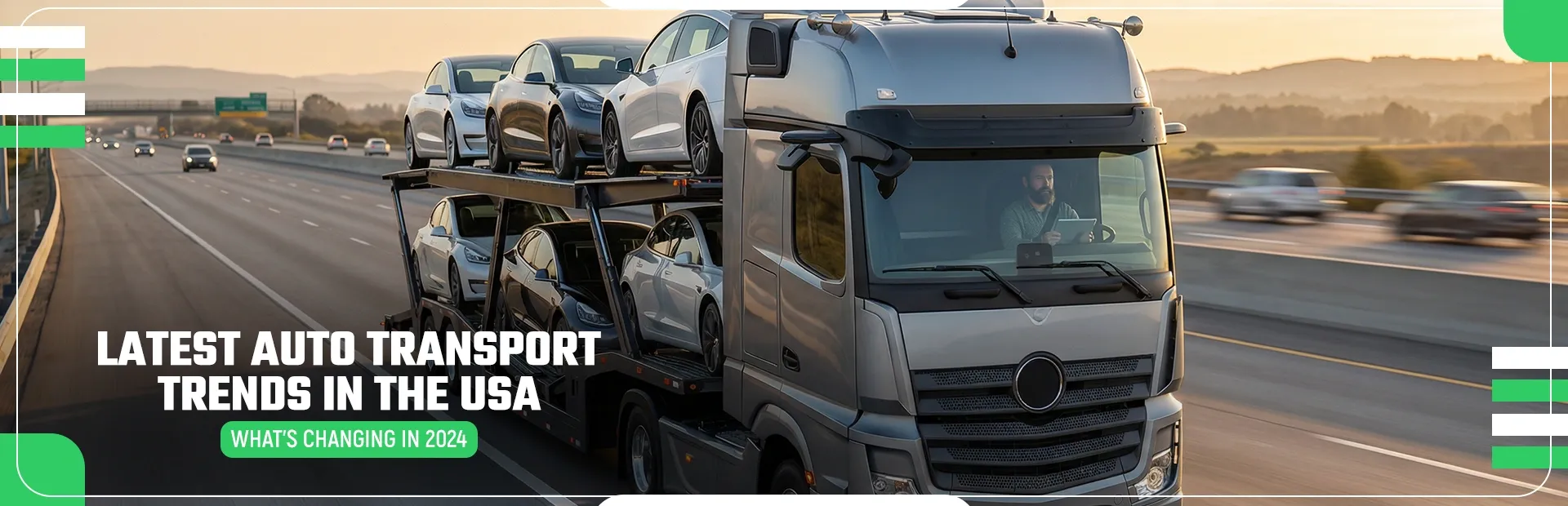
In 2024, the auto transport industry in the USA is rapidly evolving due to several key trends. Increased adoption of electric vehicles (EVs) is significantly reshaping shipping practices, requiring specialized equipment and enhanced safety protocols. Additionally, advanced AI and automation technologies are streamlining operations, boosting efficiency, and cutting down delivery times by optimizing route planning and real-time tracking. Regulatory updates from the Federal Motor Carrier Safety Administration (FMCSA) are also pivotal, setting new safety and operational standards. Staying informed and adapting to these changes will ensure that auto transport businesses remain competitive and compliant in a fast-moving market. Upcoming FMCSA Rule Changes in Auto Transport (2024–2025) The Federal Motor Carrier Safety Administration (FMCSA) is rolling out major regulatory changes between 2024 and 2025 that will reshape the U.S. auto transport industry. These changes are designed to enhance safety, increase transparency, and modernize compliance in a rapidly evolving transport landscape. This blog post breaks down each anticipated change, how it impacts car shipping businesses, and what you can do now to prepare. 1. Electronic Logging Device (ELD) Enhancements The FMCSA plans to tighten rules around ELD use, focusing on: Expanded data collection for better visibility into driver behavior. Real-time location tracking to prevent tampering. Integration with fleet management systems for improved logistics. Impact: Carriers will need to invest in ELD systems that offer more than just basic tracking. This may increase costs for smaller operators but also opens the door for more automation and fewer manual processes. 2. Higher Insurance Minimums Since 1985, the required insurance minimum for carriers has remained unchanged at $750,000. The FMCSA is pushing to raise this minimum to align with current economic conditions. Expected Range: $1.5 to $2 million in liability coverage. Impact: Higher premiums will affect smaller operators the most. However, better coverage can increase customer confidence and protect carriers in large-scale claims. 3. Speed Limiter Requirements The FMCSA is proposing mandatory speed limiters on all commercial vehicles over 26,000 pounds. Key Points: Speed may be limited to 65 mph or less. Affects delivery timelines and fuel efficiency calculations. Impact: Companies will need to adjust timelines and routing logistics. While it promotes safety, it may reduce delivery flexibility. 4. Drug & Alcohol Testing Expansion Expect broader testing protocols, including: Hair follicle testing in addition to urine samples. More frequent random testing. A centralized, updated database of test results. Impact: Enhanced screening can reduce liability and improve fleet safety but may delay hiring processes. 5. Safety Fitness Determination (SFD) Reform FMCSA is revamping how it evaluates carrier safety. Current methods use a pass/fail approach; the new model may introduce a tiered risk rating system (e.g., excellent, satisfactory, conditional, unsatisfactory). Key Changes: Use of real-time telematics data. Inclusion of roadside inspections and crash data. Impact: Transparency will improve for brokers and shippers. Poor performers may be excluded from contracts more easily. What Auto Transport Companies Should Do Now To stay ahead, auto transport businesses should: Upgrade Technology: Invest in ELD systems with real-time tracking and compliance features. Review Insurance Policies: Talk to your insurance provider to explore increased coverage and prepare for upcoming rate adjustments. Reevaluate Delivery Estimates: Factor in potential delays due to speed limiters and new compliance checks. Strengthen Hiring Standards: Prepare for broader drug testing by setting clear hiring timelines and standards. Train Staff: Ensure dispatchers, drivers, and support teams understand new rules and how to adapt operationally. Why These Changes Matter for Shippers and Brokers Shippers want reliability and risk-free delivery. Compliant carriers offer peace of mind. Brokers need transparent, data-backed carrier ratings to make informed decisions. Carriers that adapt early gain a competitive edge. The FMCSA’s rule updates are not just red tape—they represent a forward-looking shift to modernize the transport ecosystem and ensure safety across the board. Conclusion The 2024–2025 FMCSA rule changes are poised to impact every part of the car shipping industry. Whether you’re a carrier, broker, or customer, staying informed is crucial. By understanding the regulations and preparing proactively, you’ll stay compliant, competitive, and ready for the future of auto transport.