
It’s no secret that finding reliable RV transport services and understanding the final boat shipping cost can be stressful. Did you know that with a few simple steps, you can save hundreds or even thousands on large vehicle transport?
Many people overpay for oversized vehicle transport because they’re not aware of how pricing works. This guide reveals nine smart, cost-effective solutions for shipping RVs and boats, helping you find affordable RV transport and get the best deal.
We’ll show you how to find cheap RV shipping options and compare boat transport companies so you feel confident in your choice.
Ready to find the best rates for your oversized vehicle? Discover the cost of shipping a boat or RV with a free, no-obligation quote today.
Understanding the Basics of RV & Boat Transport
The first step to finding a cost-effective solution is knowing what you’re dealing with. RV transport services, regulated by federal bodies like the FMCSA, are different from boat shipping in key ways. RVs are exclusively hauled on land, often using specialized trailers or a “drive-away” service.
This type of large vehicle transport is a straightforward, land-based operation. Boat shipping, on the other hand, can be more complex, sometimes requiring both land and sea legs. This multi-modal approach is a major factor in the final boat shipping cost.
When it comes to the actual move, you have options. For RVs, you can choose open or enclosed vehicle transport. Open carriers are the most common and affordable. For more protection, an enclosed transportation is best. Boats are hauled on special trailers, but very large vessels may need to be transported by water, a specialized form of yacht and boat shipping.
Here are key factors that impact the price and give you a better idea of how much it costs to ship a boat or RV:
- Distance: The longer the trip, the higher the cost to ship a boat or RV.
- Size & Weight: A larger oversized vehicle transport naturally requires more resources.
- Transport Type: Open transport is a great cheap RV shipping option compared to enclosed.
- Seasonality: Rates change with the seasons. It’s often cheaper to ship during the off-season. Read more about seasonal car shipping tips.
- Pickup/Delivery Location: Shipping to and from major cities is less expensive than to remote areas.
- Vehicle Condition: A non-running vehicle may have a higher rate due to the need for a winch or special equipment.
Understanding these basic differences and cost factors is the first step toward finding affordable RV transport and securing a great deal on your RV and boat shipping needs.
Hidden Costs You Should Know About
While a quote provides a starting number, a few factors can silently increase your final boat shipping cost. Understanding these hidden fees is key to finding a truly affordable RV transport service.
Fuel surcharges and tolls are common variables. Fuel prices can change daily, so many companies add a surcharge to account for this. Similarly, tolls along the route can add up, especially on a long-distance oversized vehicle transport. You can learn more about how gas prices affect shipping costs.
Another important factor is insurance. The carrier’s insurance may have limits, leaving you with coverage gaps. For example, they might not cover personal belongings inside the vehicle or minor cosmetic damage.
It’s smart to ask specific questions about what is and isn’t covered by their policy. Your personal car insurance might offer some protection, but it’s a good idea to check if your auto transport is covered by insurance.
Finally, RV and boat shipping costs fluctuate with the seasons. During peak travel times, demand for RV transport services increases. This rise in demand can drive up prices, even for the same route and vehicle. This is one of the most unpredictable variables for large vehicle transport.
By keeping these factors in mind, you can ask the right questions and avoid surprises. This helps you get the best possible transport experience.
9 Smart Ways to Save on RV & Boat Shipping
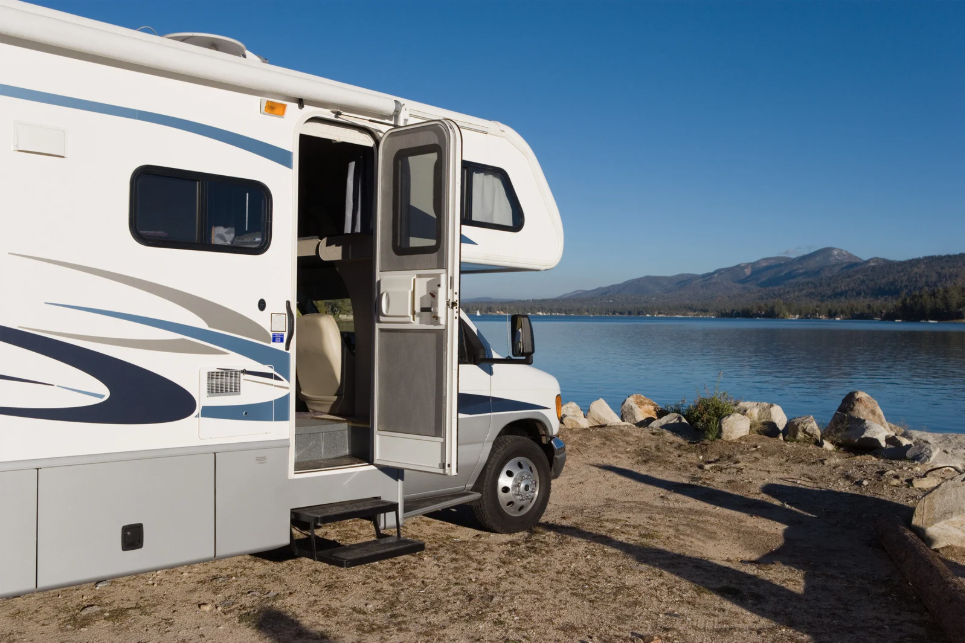
Finding cost-effective solutions for shipping RVs and boats doesn’t have to be a guessing game. By understanding the ins and outs of large vehicle transport, you can significantly reduce your RV transport services and boat shipping cost.
These smart strategies help you secure affordable RV transport and discover cheap RV shipping options, ensuring you get the best deal on oversized vehicle transport.
1. Book Early to Lock in Better Rates
One of the simplest yet most effective ways to save on your RV and boat shipping is to plan ahead. Booking your RV transport services or boat shipping cost well in advance gives you access to better rates and more flexibility.
When demand is lower, companies are more likely to offer competitive pricing to fill their schedules. Last-minute bookings, especially for large vehicle transport, often come with premium charges due as carriers have less time to optimize their routes and schedules. Think of it like booking a flight – the closer to the departure date, the higher the price.
Aim to book at least 2-4 weeks out for standard moves. For peak seasons or unusual routes, give yourself even more time, perhaps 4-6 weeks. This proactive approach allows boat transport companies and RV hauling services to plan more efficiently, which translates into savings for you.
Early booking also gives you ample time to compare different providers and find the best fit for your oversized vehicle transport needs without feeling rushed. This strategy is crucial for anyone looking for cost-effective solutions for shipping RVs and boats.
2. Choose the Right Transport Method
Selecting the appropriate transport method directly impacts your boat shipping cost and overall RV transport services expense. For RV and boat shipping, you generally have a few options, each with its own price point.
For RVs, open car shipping is usually the most economical. Your RV will be transported on an open trailer, exposed to the elements, much like how new cars are delivered to dealerships. If you need more protection from road debris and weather, enclosed vehicle shipping is available, but it comes at a higher price. This is often preferred for luxury or classic RVs, where the added protection justifies the increased large vehicle transport cost.
For boats, you might choose between trailer transport over land or, for very large vessels, potentially water transport. Land transport is typically more common and often a more affordable RV transport option for many boats. Consider the value of your vessel and the distance it needs to travel when making this decision. The goal is to balance protection with budget, ensuring your oversized vehicle transport is handled safely without overspending.
3. Compare Multiple Transport Companies
Never settle for the first quote you receive, especially when dealing with RV transport services or calculating boat shipping cost. The market for large vehicle transport is competitive, with many boat transport companies and RV hauling services vying for your business. To find cost-effective solutions for shipping RVs and boats, it’s essential to gather quotes from several different providers.
Use platforms like Transportvibe to compare ratings, reviews, and pricing easily. Each company uses its own pricing model, and factors like their current route schedule, available equipment, and driver availability can all influence your quote. Some companies might specialize in certain types of oversized vehicle transport, offering better deals on RV and boat shipping specifically.
When comparing, ensure you are looking at apples-to-apples quotes. Verify that all fees, insurance coverage, and services are included. This due diligence can uncover significant savings and help you identify the most affordable RV transport option. This comparison process is key to understanding “how much does it cost to ship a boat or RV” accurately and ensuring you’re getting a fair price.
4. Be Flexible with Pickup and Delivery Dates
Flexibility is a powerful tool when trying to lower your RV transport services and boat shipping cost. Carriers often have specific routes they run and prefer to fill their trailers as efficiently as possible. If you can be flexible with your pickup and delivery dates, you give the large vehicle transport company more leeway to fit your RV and boat shipping into an existing, optimized route.
Being able to offer a window of a few days for pickup or delivery, rather than a single specific date, can result in a more favorable oversized vehicle transport rate. Less urgent shipments are often cheaper because they allow carriers to consolidate loads and reduce dead mileage. This strategy aligns well with finding cheap RV shipping options and generally affordable RV transport.
Always discuss your flexibility with the transport company when requesting a quote. They may offer a lower rate for a wider pickup window. This approach can be particularly beneficial for non-time-sensitive moves, helping you save money without compromising the quality of your RV hauling services.
5. Optimize Pickup & Drop-off Locations
The specific locations for pickup and drop-off can significantly impact your boat shipping cost and overall RV transport services expense. Shipping to or from major metropolitan areas or accessible transport hubs is generally more cost-effective than requesting service in remote or hard-to-reach locations.
Carriers prefer to stick to main routes and easily accessible areas. Deviating from these routes for oversized vehicle transport adds extra mileage, time, and fuel, all of which get passed on to you. If possible, consider meeting the carrier at a mutually convenient, easily accessible location near a major highway or city. This could be a large parking lot or a truck stop.
By optimizing your pickup and drop-off points, you can reduce the logistical challenges for the large vehicle transport company, which in turn reduces your overall RV and boat shipping expenses. This strategy is a practical way to find cost-effective solutions for shipping RVs and boats and makes your shipment more attractive to carriers looking for efficient routes.
6. Prepare Your Vehicle Properly to Avoid Extra Charges
Proper preparation of your RV or boat is crucial for avoiding unexpected fees and ensuring a smooth RV transport services experience. Before your oversized vehicle transport, make sure to follow the carrier’s guidelines closely. This might include:
- Emptying personal belongings: Most carriers do not insure personal items left inside an RV. Remove anything valuable or fragile.
- Securing loose parts: For boats, this means securing covers, removing antennas, and ensuring all hatches are latched. For RVs, lock all compartments, secure awnings, and check for any loose exterior items.
- Disconnecting utilities: Turn off propane tanks, disconnect batteries, and drain water tanks (freshwater, gray water, black water) to reduce weight and prevent freezing in colder climates.
- Checking fluid levels: Ensure there’s enough fuel to move the vehicle on and off the trailer, but don’t fill the tank completely, as this adds unnecessary weight.
- Documentation: Have all necessary paperwork ready, including registration and proof of ownership.
Failing to properly prepare your vehicle can lead to delays, additional labor charges, or even refusal of service, increasing your boat shipping cost or RV hauling services expense. Taking these steps is a simple way to contribute to cost-effective solutions for shipping RVs and boats.
7. Take Advantage of Seasonal Discounts
The timing of your RV and boat shipping can significantly influence the final boat shipping cost or RV transport services expense. Demand for large vehicle transport often fluctuates with the seasons, creating opportunities for savings during off-peak times.
Generally, late fall and winter (excluding major holidays) tend to be slower periods for oversized vehicle transport. Snowbirds often move their RVs and boats south in the fall and north in the spring, making those seasons peak times. If your schedule allows, consider shipping during the quieter months. This is when boat transport companies and RV hauling services might offer discounts or more competitive rates to keep their fleets busy.
For example, if you’re not in a rush, shipping your RV in January instead of October could result in cheap RV shipping options. Always inquire about seasonal pricing variations when getting quotes. Being strategic with your timing is an excellent way to find affordable RV transport and take advantage of market dynamics. This is a smart approach for anyone looking for cost-effective solutions for shipping RVs and boats.
8. Bundle Services if You’re Shipping Multiple Vehicles
If you need to move more than just one oversized vehicle transport item, bundling your shipping needs can lead to substantial savings. Many RV transport services and boat transport companies offer discounts when you book multiple large vehicle transport units at once. This could include shipping both your RV and a boat, or even multiple boats or RVs if you’re a car shop dealer or have a collection.
From a carrier’s perspective, loading multiple items from the same customer or location is more efficient. It reduces their pickup and drop-off time, streamlines logistics, and makes their route more profitable. Because of this increased efficiency, they are often willing to pass some of those savings on to you in the form of a discounted overall RV and boat shipping rate.
When requesting quotes, clearly state that you have multiple items for large vehicle transport. Ask about any multi-vehicle discounts or special pricing available. This strategy is particularly effective for businesses or individuals with diverse RV hauling services needs, significantly lowering the total boat shipping cost or RV transport services expense.
9. Verify Insurance to Avoid Hidden Expenses
Understanding the insurance coverage for your RV and boat shipping is paramount to avoiding significant hidden expenses later on. While reputable RV transport services and boat transport companies carry insurance, the specifics of that coverage can vary widely. It’s crucial to know exactly what is covered and what is not before your oversized vehicle transport begins.
Ask for proof of insurance and review the policy details. Pay close attention to:
- Coverage limits: Is the declared value of your RV or boat fully covered?
- Deductibles: What amount are you responsible for in case of a claim?
- Types of damage covered: Does it include minor cosmetic damage, or only major structural issues?
- Exclusions: Are there any circumstances under which your vehicle wouldn’t be covered? For example, some policies exclude personal items inside the vehicle.
Consider whether you need supplemental insurance, perhaps from your own marine or RV insurance policy, to cover any gaps. Never assume full coverage. Clarifying these points beforehand prevents disputes and unexpected costs if damage occurs.
This proactive approach ensures your large vehicle transport is protected, giving you peace of mind and protecting your investment from unforeseen boat shipping cost additions. You can learn more about what’s covered and what’s not in car shipping insurance in the USA.
Red Flags to Avoid When Choosing a Transport Company
Choosing a company for your RV and boat shipping requires careful attention. Not all RV hauling services or boat transport companies are created equal. Watch out for these red flags to protect your oversized vehicle transport from a bad experience.
Unrealistically Low Quotes: If a quote seems too good to be true, it likely is. Shady companies often offer an extremely low initial large vehicle transport price, then add hidden fees or raise the cost at the last minute. Always get multiple quotes to spot these tactics.
Lack of Proper Licensing: A reputable company will have the necessary licenses and insurance. Before booking, ask for their credentials. This ensures they are a legitimate operation. You can find licensed and reviewed boat transport companies and more on our site.
Poor Customer Reviews: The experiences of past customers are a powerful indicator. Read online reviews carefully on sites like ours to see if other people had issues with communication, delays, or hidden fees. We provide detailed reviews for companies.
Avoiding these pitfalls is a crucial step in securing a stress-free large vehicle transport experience.
Common Queries on RV & Boat Shipping
Getting a great deal on your oversized vehicle transport is just one part of the journey. Many people have questions about the process itself. Here are some of the most common things people ask about RV and boat shipping.
How much does it cost to ship a boat or RV?
The boat shipping cost can vary widely based on several factors, like the size of the vehicle, the distance, and the transport method. The best way to get an accurate number is to get a free quote with a few key details about your shipment.
Is RV and boat shipping explained step by step?
Yes. The process begins with getting a quote and booking your shipment. Then, you prepare your vehicle for transport. The carrier picks it up and delivers it to the destination. Finally, you inspect your vehicle and sign the bill of lading to complete the job.
What’s the process for shipping a non-running RV or boat?
Shipping a vehicle that doesn’t run requires a specialized carrier with a winch to pull it onto the trailer. It may also need to be a flatbed. Always mention that your vehicle is non-running when you get a quote, as it can add to the final RV transport services cost due to the extra equipment and labor needed.
How long does RV and boat shipping take?
Transit times depend mostly on distance. A cross-country trip can take anywhere from 7 to 14 days. Shorter trips might only take a few days. Factors like traffic, weather, and the driver’s schedule can all affect the delivery time.
Are there different types of boat transport companies?
Yes. The industry is made up of carriers who own and operate their own trucks and brokers who coordinate shipments for you by finding a carrier in their network. Both can be a good choice, but it’s important to understand the difference when you book. You can read more about
Do I need any special paperwork to ship my RV or boat?
For domestic transport within the USA, you usually only need proof of ownership, such as the vehicle title or registration. A copy of your driver’s license is also standard. The carrier will provide a bill of lading, which serves as a receipt and condition report for the vehicle.
What is the best time of year for affordable oversized vehicle transport?
The cheapest time to ship is typically during the off-season. Demand for RV hauling services and boat transport companies is lower in late fall or winter, which can result in more competitive rates and better availability for your shipment.
Your Next Steps to Smart RV & Boat Transport
Finding cost-effective solutions for shipping RVs and boats is a matter of knowing the right strategies. By applying these nine tips, you can take control of your RV transport services and avoid overpaying for the final boat shipping cost.
Remember, finding affordable RV transport is about more than just the lowest number. It’s about vetting companies and making smart choices that lead to a smooth experience. A little planning goes a long way to ensure your large vehicle transport is handled safely and within your budget. By understanding how to find cheap RV shipping options and what to look for, you can feel confident in your decision.
Ready to find the best rates for your oversized vehicle? Find out how much it costs to ship a boat or RV with a free, no-obligation quote today.